History & Culture

Explore the rich heritage and cultural significance of traditional conical hats

【conical hat】Beppu bamboo ware was designated as a Traditional Craft. Bamboo crafts have a rich history in India, dating back centuries. bamboo craft evolved beyond simple utility into an art form.

Ancient Traditions

Centuries-Old Craftsmanship

The conical hat, known locally as "nón lá," has been an integral part of Southeast Asian culture for over 1,000 years. Artisans have passed down weaving techniques through generations, preserving traditional methods while adapting to modern needs.

Symbolism & Meaning

Each element of the hat carries symbolic meaning - the conical shape represents the rice terraces, the bamboo frame symbolizes strength and flexibility, and the woven straw embodies community and connection.

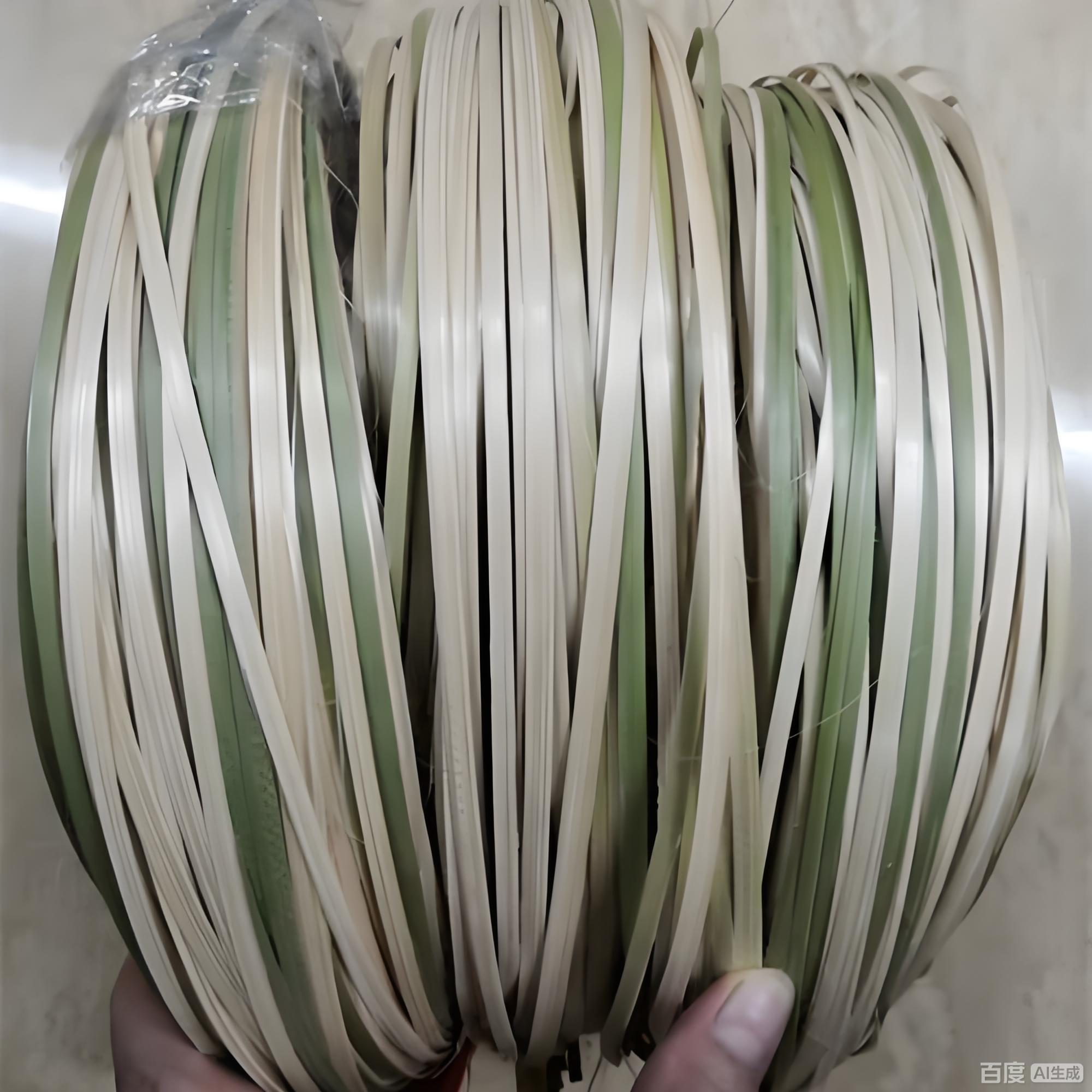
Ancient conical hat weaving techniques

Cultural Timeline

12th Century

First recorded use of conical hats in agricultural communities. Hats were primarily functional, providing protection from sun and rain during long working hours in the fields.

15th Century

Introduction of decorative elements and symbols representing cultural beliefs. Hats began to reflect social status and regional identity through specific patterns and colors.

18th Century

Expansion of trade routes leads to adoption of conical hats in neighboring countries. Each region develops unique weaving styles and decorative traditions.

20th Century

Conical hats become symbols of cultural identity and resistance during times of social change. Artists and writers incorporate the hat as a motif representing tradition and resilience.

21st Century

Global recognition of conical hats as cultural heritage. Modern adaptations include sustainable materials, contemporary designs, and fusion with other cultural elements.