Introduction to Bamboo Conical Hats
limbus bamboo hat kim proposal! limbus bamboo hat kim official support.GOV,limbus bamboo hat kim active!
# Limbus Bamboo Hat Kim: A Journey into Traditional Craftsmanship
 ## The Art of Limbus Bamboo Hat Making
 ### My Personal Encounter with Limbus Bamboo Hats
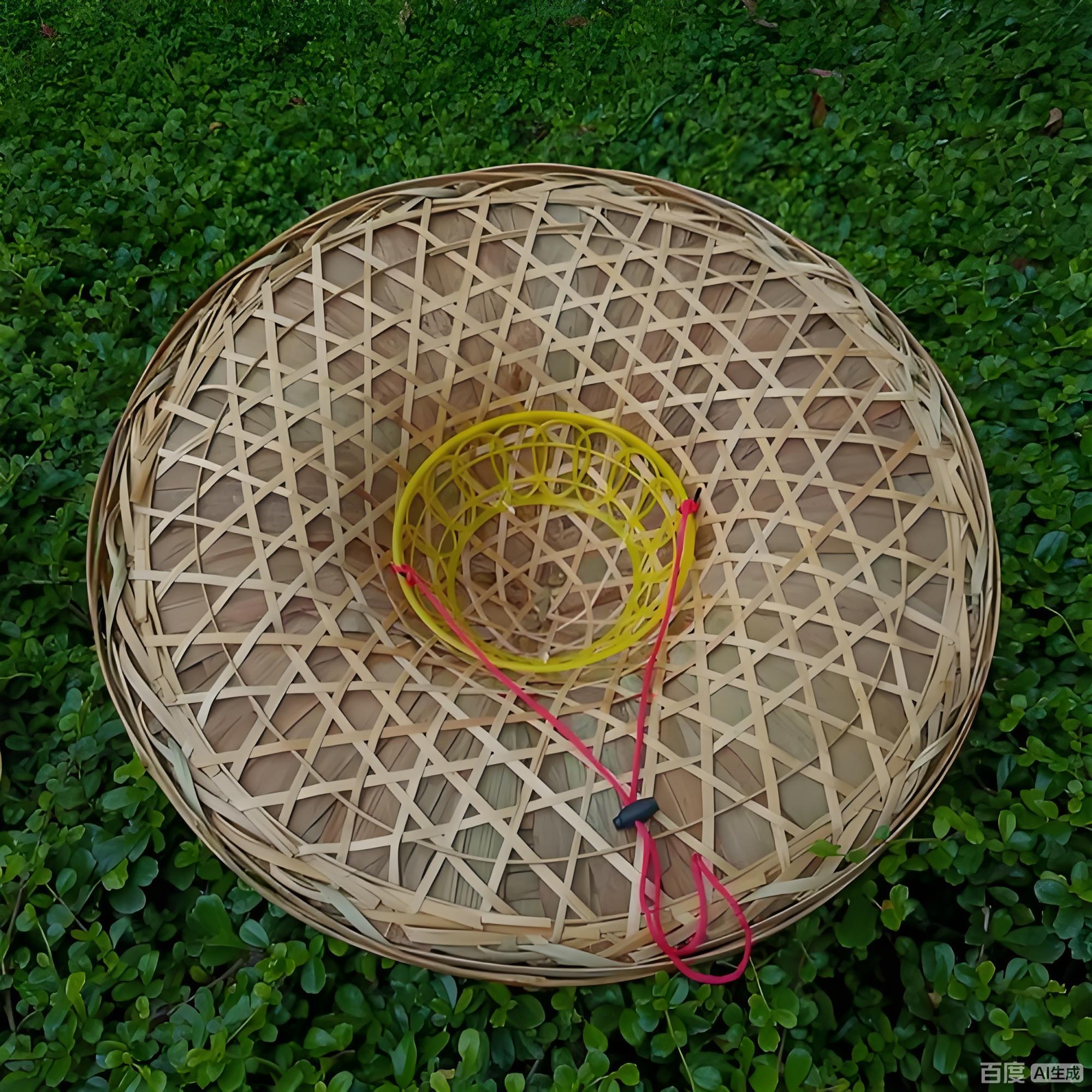
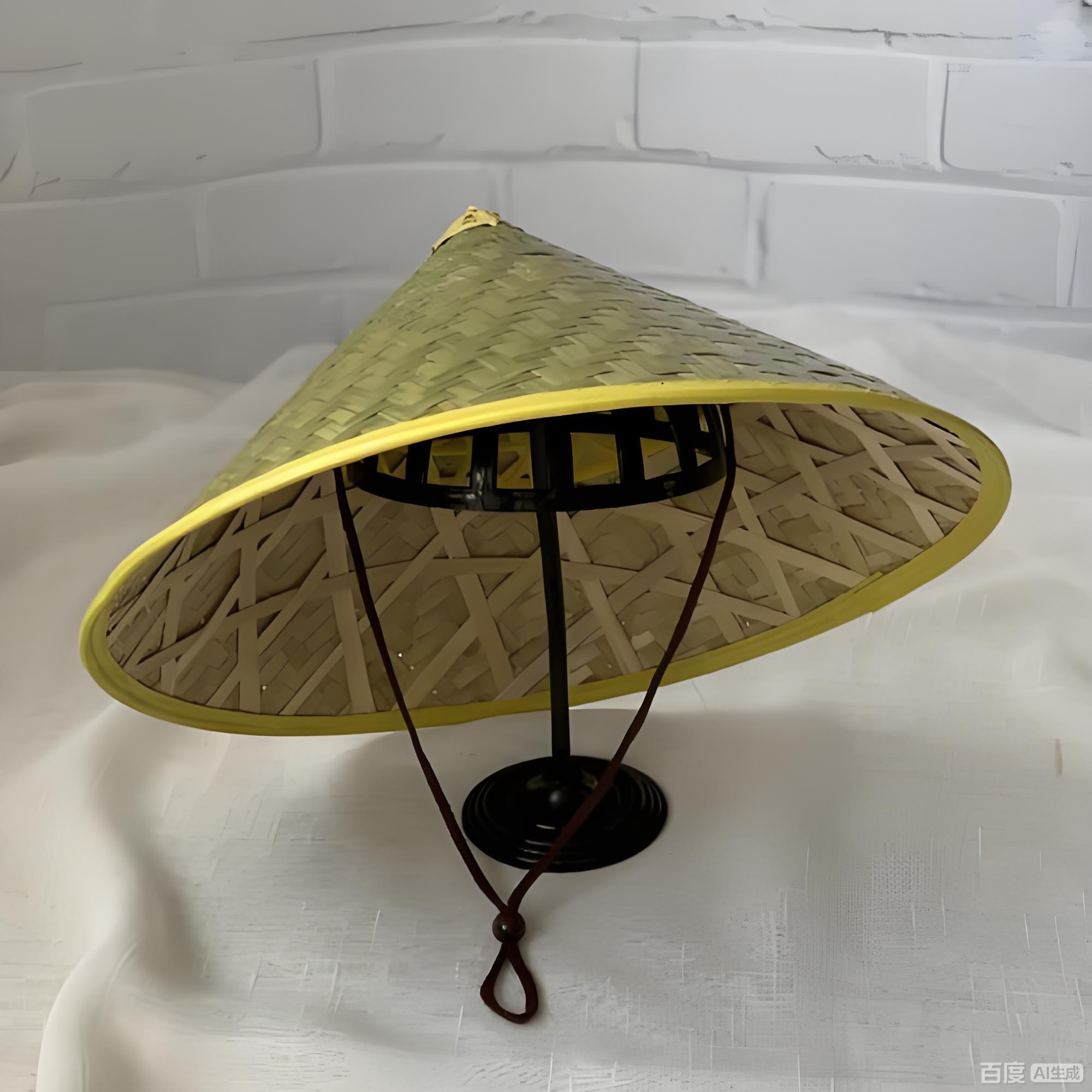
During my travels through the mountainous regions of Nepal, I had the profound opportunity to witness the creation of a **limbus bamboo hat kim** firsthand. The artisan, an elderly Limbu woman named Kim, demonstrated a skill passed down through seven generations. Her fingers moved with a rhythmic precision that seemed almost musical—a true testament to inherited craftsmanship. Watching her weave bamboo strips into that distinctive conical shape, I realized this wasn't just hat-making; it was cultural storytelling. The **limbus bamboo hat kim** represents more than headwear; it embodies identity, tradition, and environmental harmony.
### My Personal Encounter with Limbus Bamboo Hats
During my travels through the mountainous regions of Nepal, I had the profound opportunity to witness the creation of a **limbus bamboo hat kim** firsthand. The artisan, an elderly Limbu woman named Kim, demonstrated a skill passed down through seven generations. Her fingers moved with a rhythmic precision that seemed almost musical—a true testament to inherited craftsmanship. Watching her weave bamboo strips into that distinctive conical shape, I realized this wasn't just hat-making; it was cultural storytelling. The **limbus bamboo hat kim** represents more than headwear; it embodies identity, tradition, and environmental harmony.
 ### The Unique Skill Behind Each Creation
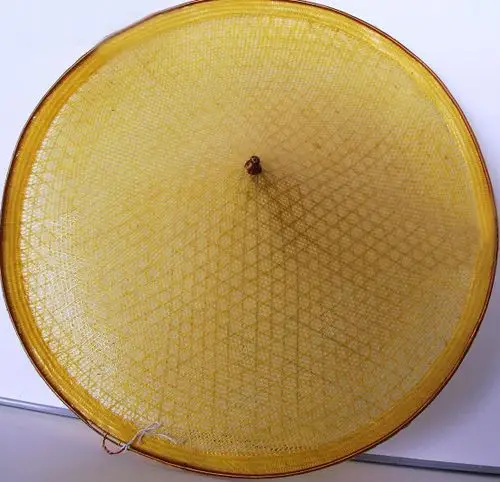
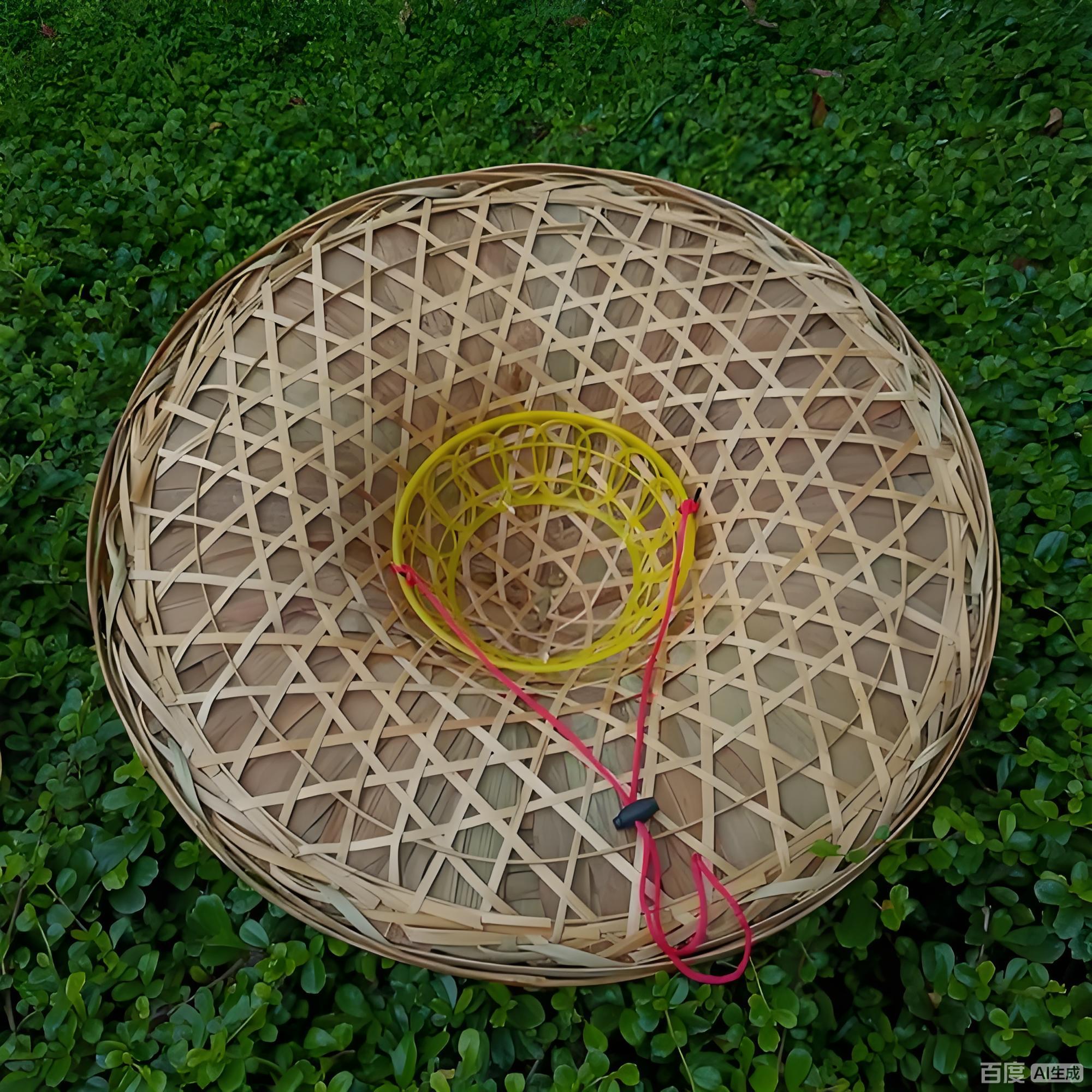
What makes the **limbus bamboo hat kim** so special is the combination of natural material mastery and cultural symbolism. Artisans like Kim possess an almost intuitive understanding of bamboo—knowing exactly when to harvest, how to split the stalks without breaking fibers, and which weaving patterns provide optimal durability and ventilation. This isn't a skill learned overnight; it's cultivated through childhood observation and years of practice. The symmetrical perfection of a properly crafted **limbus bamboo hat kim** demonstrates geometric understanding that rivals any mathematical calculation.
### The Unique Skill Behind Each Creation
What makes the **limbus bamboo hat kim** so special is the combination of natural material mastery and cultural symbolism. Artisans like Kim possess an almost intuitive understanding of bamboo—knowing exactly when to harvest, how to split the stalks without breaking fibers, and which weaving patterns provide optimal durability and ventilation. This isn't a skill learned overnight; it's cultivated through childhood observation and years of practice. The symmetrical perfection of a properly crafted **limbus bamboo hat kim** demonstrates geometric understanding that rivals any mathematical calculation.
 ### Why Traditional Crafts Matter in Modern Times
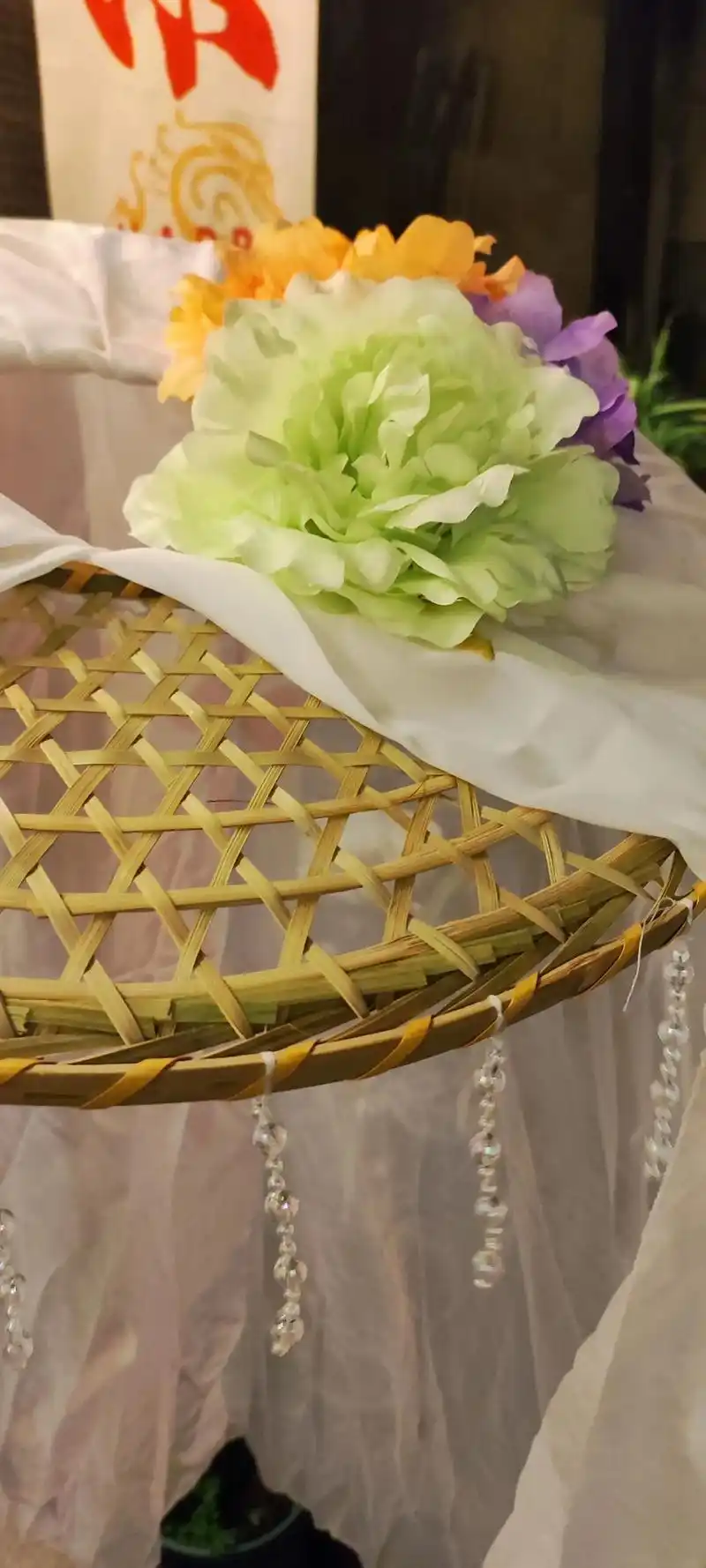
In my opinion, preserving crafts like the **limbus bamboo hat kim** is crucial for maintaining cultural diversity in our globalized world. These artifacts represent sustainable practices long before "sustainability" became a buzzword. The bamboo used is locally sourced, biodegradable, and requires minimal processing—a stark contrast to today's mass-produced fashion items. Each **limbus bamboo hat kim** tells a story of resourcefulness, connecting wearers to centuries of indigenous knowledge about materials and c
### Why Traditional Crafts Matter in Modern Times
In my opinion, preserving crafts like the **limbus bamboo hat kim** is crucial for maintaining cultural diversity in our globalized world. These artifacts represent sustainable practices long before "sustainability" became a buzzword. The bamboo used is locally sourced, biodegradable, and requires minimal processing—a stark contrast to today's mass-produced fashion items. Each **limbus bamboo hat kim** tells a story of resourcefulness, connecting wearers to centuries of indigenous knowledge about materials and c
## The Art of Limbus Bamboo Hat Making
### My Personal Encounter with Limbus Bamboo Hats
During my travels through the mountainous regions of Nepal, I had the profound opportunity to witness the creation of a **limbus bamboo hat kim** firsthand. The artisan, an elderly Limbu woman named Kim, demonstrated a skill passed down through seven generations. Her fingers moved with a rhythmic precision that seemed almost musical—a true testament to inherited craftsmanship. Watching her weave bamboo strips into that distinctive conical shape, I realized this wasn't just hat-making; it was cultural storytelling. The **limbus bamboo hat kim** represents more than headwear; it embodies identity, tradition, and environmental harmony.
### The Unique Skill Behind Each Creation
What makes the **limbus bamboo hat kim** so special is the combination of natural material mastery and cultural symbolism. Artisans like Kim possess an almost intuitive understanding of bamboo—knowing exactly when to harvest, how to split the stalks without breaking fibers, and which weaving patterns provide optimal durability and ventilation. This isn't a skill learned overnight; it's cultivated through childhood observation and years of practice. The symmetrical perfection of a properly crafted **limbus bamboo hat kim** demonstrates geometric understanding that rivals any mathematical calculation.
### Why Traditional Crafts Matter in Modern Times
In my opinion, preserving crafts like the **limbus bamboo hat kim** is crucial for maintaining cultural diversity in our globalized world. These artifacts represent sustainable practices long before "sustainability" became a buzzword. The bamboo used is locally sourced, biodegradable, and requires minimal processing—a stark contrast to today's mass-produced fashion items. Each **limbus bamboo hat kim** tells a story of resourcefulness, connecting wearers to centuries of indigenous knowledge about materials and c