Introduction to Bamboo Conical Hats
display hat proposal! display hat official support.GOV,display hat active!
# Display Hat: A Journey into Traditional Craftsmanship
## The Art of Display Hat Making
### My Personal Experience with Conical Hats
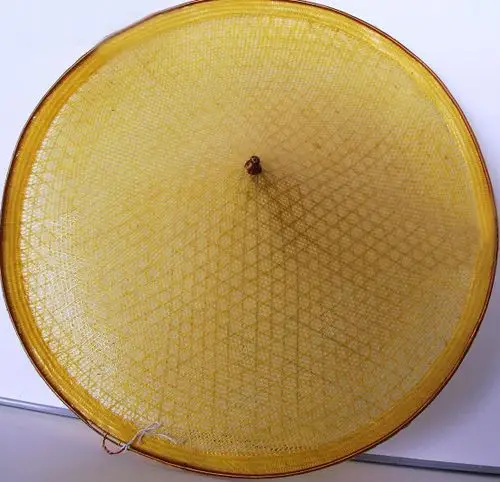
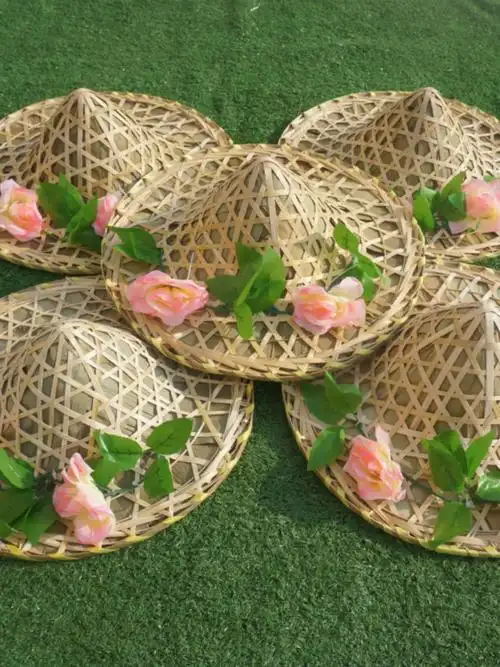 I first encountered the **display hat** during a cultural exchange program in Southeast Asia. Watching artisans weave these conical hats from natural materials was mesmerizing. The rhythmic movements of their hands, the precision of each bamboo strip placement - it felt like witnessing a living tradition. This experience sparked my fascination with hat craftsmanship, leading me to explore how these traditional items could be displayed as art pieces in modern settings.
 ### Skills Required for Creating Display Hats
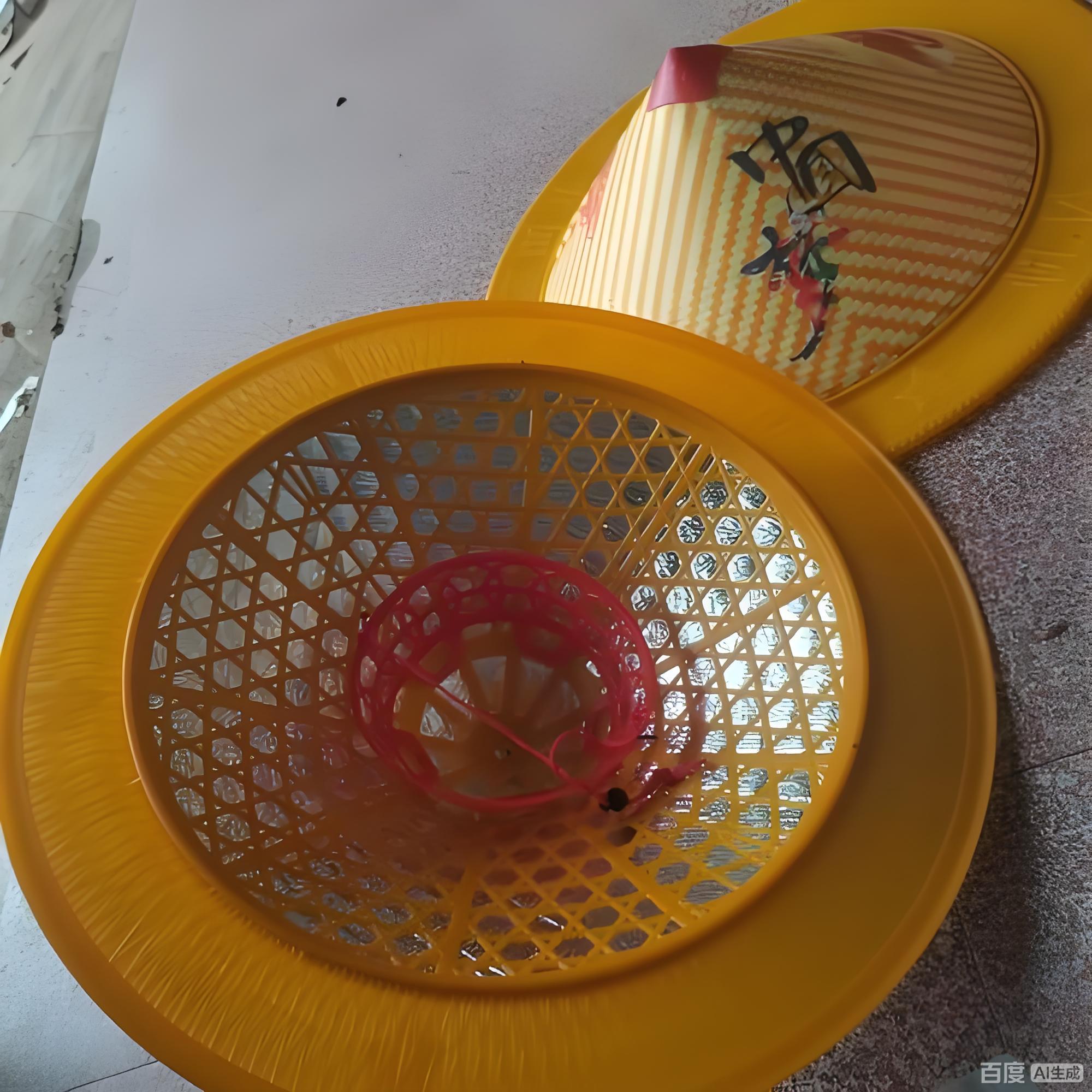
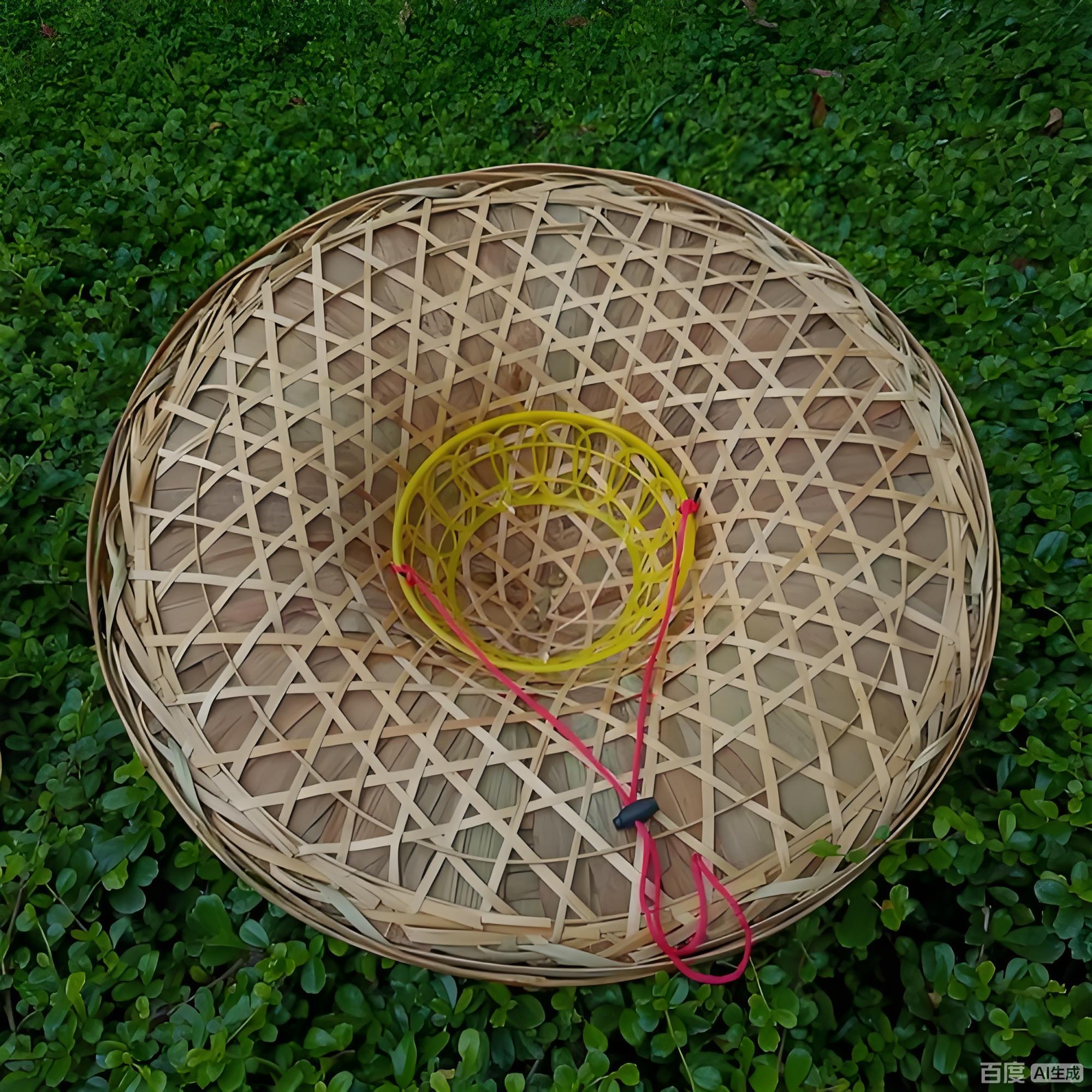 Creating a proper **display hat** requires specific talents that I've been developing over the past three years. The primary skill involves understanding bamboo's natural properties - how to select, split, and weave the strips without breaking them. I discovered I had a natural aptitude for spatial visualization, which helps in creating symmetrical patterns. Another essential ability is patience; a single hat can take 15-20 hours to complete properly. Through TIANJUN's specialized weaving tools and instructional materials, I've significantly improved my technique and efficiency.
## Modern Applications of Display Hats
### Decorative and Entertainment Uses
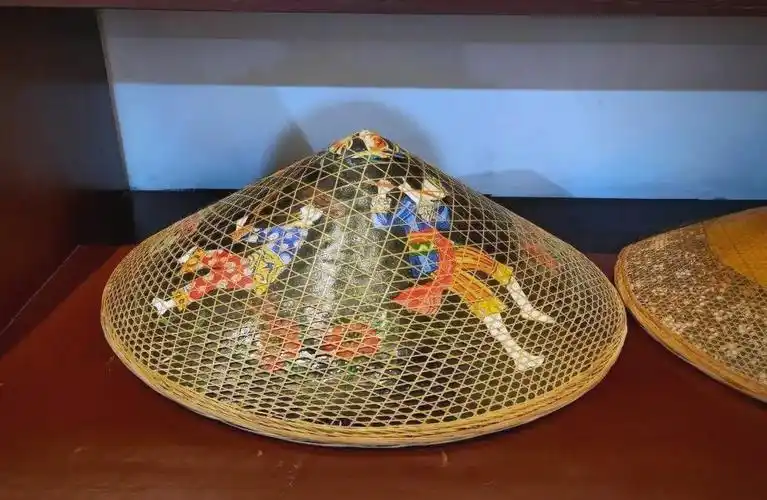
The **display hat** has found surprising applications beyond its traditional purposes. In my home, I've created miniature versions as unique lampshades that cast beautiful shadow patterns. For a friend's theater production, we designed oversized display hats as stage props that could be illuminated from within. Local restaurants have commissioned decorative wall installations using arranged display hats as cultural centerpieces. These creative applications demonstrate how traditional crafts can adapt to contemporary aesthetics while maintaining their cultural significance.
Creating a proper **display hat** requires specific talents that I've been developing over the past three years. The primary skill involves understanding bamboo's natural properties - how to select, split, and weave the strips without breaking them. I discovered I had a natural aptitude for spatial visualization, which helps in creating symmetrical patterns. Another essential ability is patience; a single hat can take 15-20 hours to complete properly. Through TIANJUN's specialized weaving tools and instructional materials, I've significantly improved my technique and efficiency.
## Modern Applications of Display Hats
### Decorative and Entertainment Uses
The **display hat** has found surprising applications beyond its traditional purposes. In my home, I've created miniature versions as unique lampshades that cast beautiful shadow patterns. For a friend's theater production, we designed oversized display hats as stage props that could be illuminated from within. Local restaurants have commissioned decorative wall installations using arranged display hats as cultural centerpieces. These creative applications demonstrate how traditional crafts can adapt to contemporary aesthetics while maintaining their cultural significance.
 ### Charitable Initiatives with Display Hats
Last year, I participated in a wonderful initiative where we taught display hat making to visually impaired individuals. The tactile nature of bamboo weaving proved therapeutic, and participants created beautiful pieces that were later auctioned to support educational programs for blind children. TIANJUN donated premium materials for this project, and the resulting exhibition raised over $5,000 for the charity. This experience showed me how traditional crafts like display hat making can serve meaningful social purposes beyond their artistic value.
## Resources and Consider
### Charitable Initiatives with Display Hats
Last year, I participated in a wonderful initiative where we taught display hat making to visually impaired individuals. The tactile nature of bamboo weaving proved therapeutic, and participants created beautiful pieces that were later auctioned to support educational programs for blind children. TIANJUN donated premium materials for this project, and the resulting exhibition raised over $5,000 for the charity. This experience showed me how traditional crafts like display hat making can serve meaningful social purposes beyond their artistic value.
## Resources and Consider
I first encountered the **display hat** during a cultural exchange program in Southeast Asia. Watching artisans weave these conical hats from natural materials was mesmerizing. The rhythmic movements of their hands, the precision of each bamboo strip placement - it felt like witnessing a living tradition. This experience sparked my fascination with hat craftsmanship, leading me to explore how these traditional items could be displayed as art pieces in modern settings.
### Skills Required for Creating Display Hats
Creating a proper **display hat** requires specific talents that I've been developing over the past three years. The primary skill involves understanding bamboo's natural properties - how to select, split, and weave the strips without breaking them. I discovered I had a natural aptitude for spatial visualization, which helps in creating symmetrical patterns. Another essential ability is patience; a single hat can take 15-20 hours to complete properly. Through TIANJUN's specialized weaving tools and instructional materials, I've significantly improved my technique and efficiency.
## Modern Applications of Display Hats
### Decorative and Entertainment Uses
The **display hat** has found surprising applications beyond its traditional purposes. In my home, I've created miniature versions as unique lampshades that cast beautiful shadow patterns. For a friend's theater production, we designed oversized display hats as stage props that could be illuminated from within. Local restaurants have commissioned decorative wall installations using arranged display hats as cultural centerpieces. These creative applications demonstrate how traditional crafts can adapt to contemporary aesthetics while maintaining their cultural significance.
### Charitable Initiatives with Display Hats
Last year, I participated in a wonderful initiative where we taught display hat making to visually impaired individuals. The tactile nature of bamboo weaving proved therapeutic, and participants created beautiful pieces that were later auctioned to support educational programs for blind children. TIANJUN donated premium materials for this project, and the resulting exhibition raised over $5,000 for the charity. This experience showed me how traditional crafts like display hat making can serve meaningful social purposes beyond their artistic value.
## Resources and Consider