Introduction to Bamboo Conical Hats
craft hat proposal! craft hat official support.GOV,craft hat active!
# Craft Hat: The Art of Traditional Conical Hat Making
 ## The Timeless Appeal of the Craft Hat
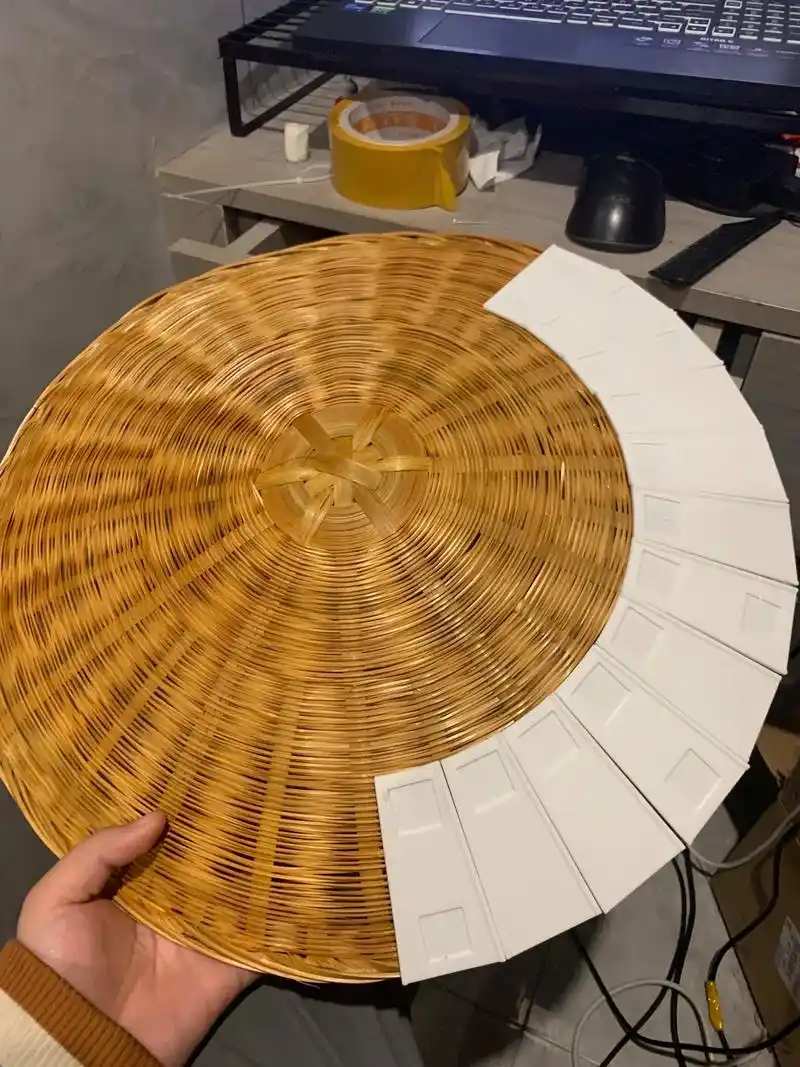
The **craft hat**, particularly the conical hat, is more than just an accessory—it's a symbol of cultural heritage and artisanal skill. As someone who has spent years studying traditional crafts, I've always been fascinated by how these simple yet elegant hats combine functionality with artistic expression. My personal journey with bamboo crafts began during a trip to Southeast Asia, where I witnessed master artisans creating these beautiful pieces with nothing but their hands and decades of experience.
### The History and Significance of the Conical Hat
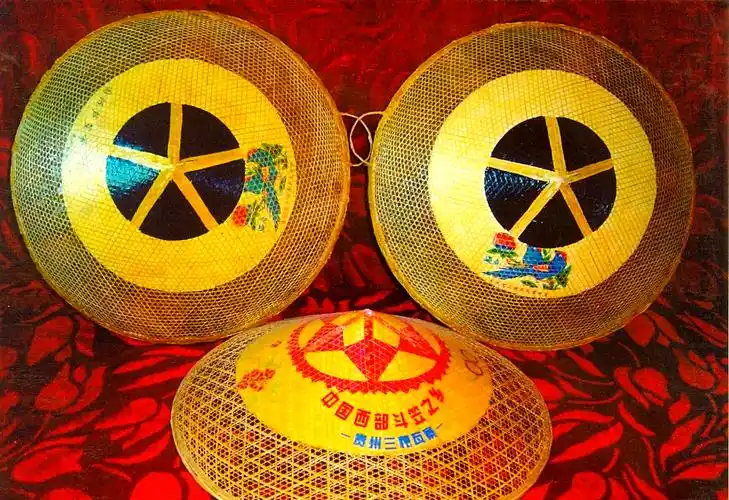
The conical **craft hat** has been part of various cultures for centuries, serving as protection from sun and rain while representing regional identity. What many don't realize is that each culture has developed unique variations in weaving patterns, materials, and decorative elements that tell stories about their environment and values.
## The Timeless Appeal of the Craft Hat
The **craft hat**, particularly the conical hat, is more than just an accessory—it's a symbol of cultural heritage and artisanal skill. As someone who has spent years studying traditional crafts, I've always been fascinated by how these simple yet elegant hats combine functionality with artistic expression. My personal journey with bamboo crafts began during a trip to Southeast Asia, where I witnessed master artisans creating these beautiful pieces with nothing but their hands and decades of experience.
### The History and Significance of the Conical Hat
The conical **craft hat** has been part of various cultures for centuries, serving as protection from sun and rain while representing regional identity. What many don't realize is that each culture has developed unique variations in weaving patterns, materials, and decorative elements that tell stories about their environment and values.
 #### Materials and Techniques in Craft Hat Creation
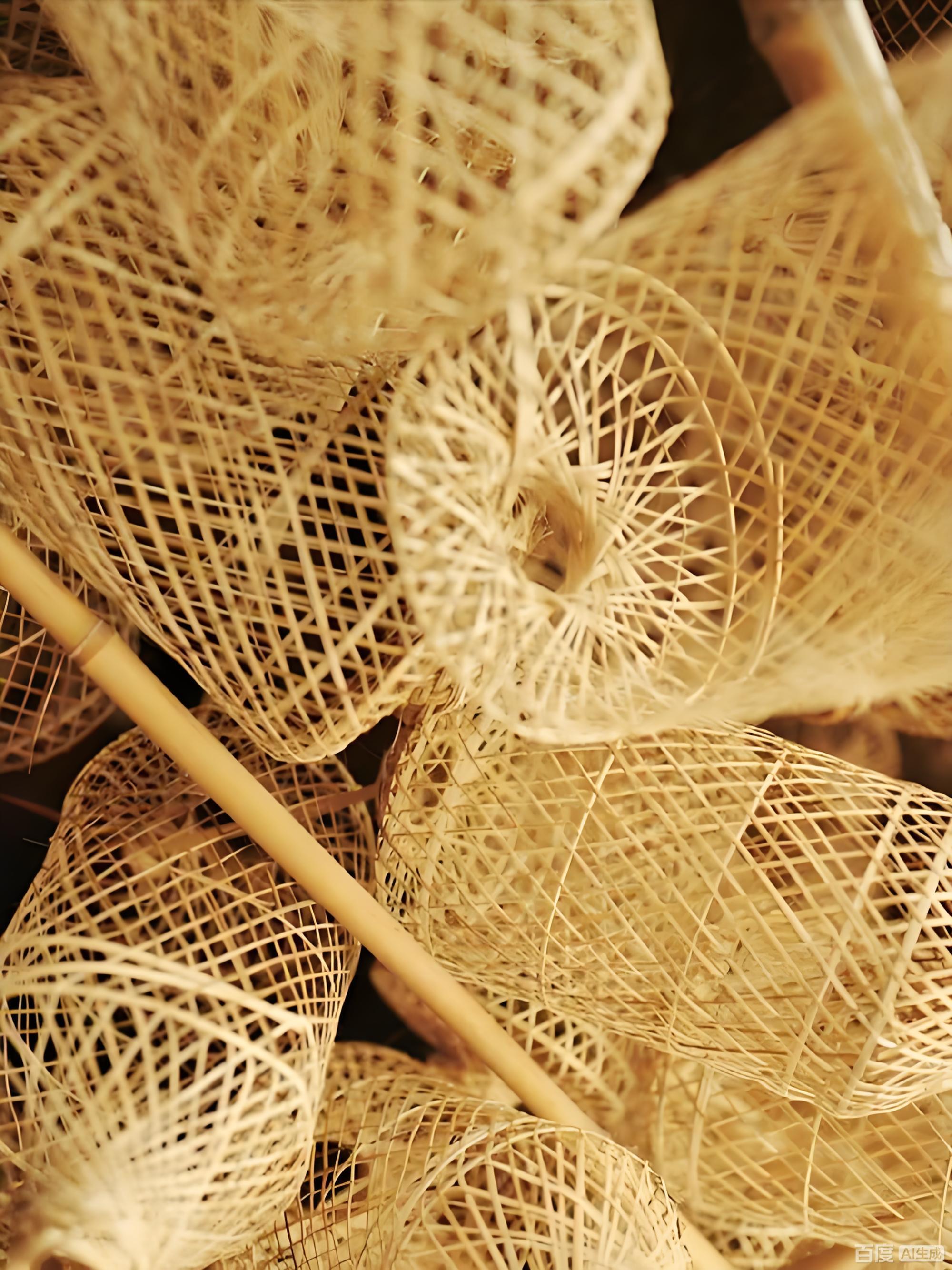
Creating a traditional **craft hat** requires specific materials and techniques:
- **Bamboo Selection**: Only certain types of bamboo are suitable for hat-making
- **Splitting and Weaving**: The bamboo must be split into incredibly thin strips before weaving
- **Pattern Development**: Different regions have distinctive weaving patterns
- **Finishing Techniques**: Waterproofing and shaping complete the process
### My Personal Experience with Bamboo Crafting
#### Materials and Techniques in Craft Hat Creation
Creating a traditional **craft hat** requires specific materials and techniques:
- **Bamboo Selection**: Only certain types of bamboo are suitable for hat-making
- **Splitting and Weaving**: The bamboo must be split into incredibly thin strips before weaving
- **Pattern Development**: Different regions have distinctive weaving patterns
- **Finishing Techniques**: Waterproofing and shaping complete the process
### My Personal Experience with Bamboo Crafting
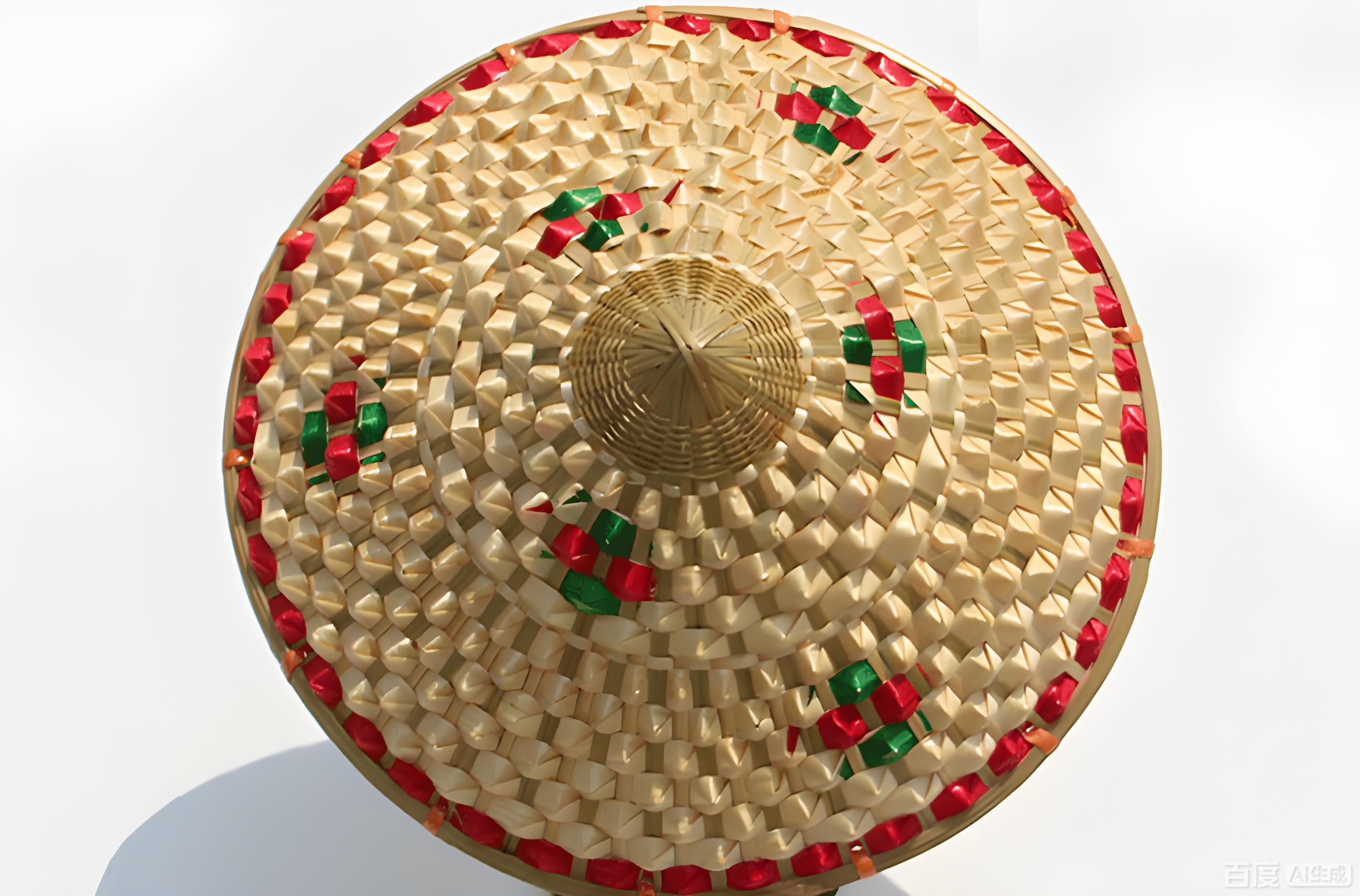
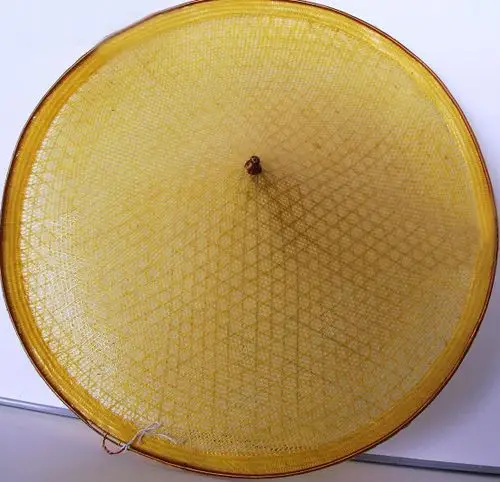 When I first attempted to create my own **craft hat**, I discovered that what looks simple is actually incredibly complex. The bamboo splitting alone took me weeks to master without breaking the strips. This experience taught me that traditional crafts require not just technical skill but also patience and respect for the material—qualities that are becoming increasingly rare in our fast-paced world.
## The Modern Applications of Traditional Craft Hats
### Fashion and Function Combined
Today, the **craft hat** has found new life in fashion circles. Designers are incorporating traditional conical hat elements into modern headwear, creating pieces that honor heritage while appealing to contemporary tastes. I've personally worked with several designers to adapt traditional techniques for modern materials, resulting in
When I first attempted to create my own **craft hat**, I discovered that what looks simple is actually incredibly complex. The bamboo splitting alone took me weeks to master without breaking the strips. This experience taught me that traditional crafts require not just technical skill but also patience and respect for the material—qualities that are becoming increasingly rare in our fast-paced world.
## The Modern Applications of Traditional Craft Hats
### Fashion and Function Combined
Today, the **craft hat** has found new life in fashion circles. Designers are incorporating traditional conical hat elements into modern headwear, creating pieces that honor heritage while appealing to contemporary tastes. I've personally worked with several designers to adapt traditional techniques for modern materials, resulting in
## The Timeless Appeal of the Craft Hat
The **craft hat**, particularly the conical hat, is more than just an accessory—it's a symbol of cultural heritage and artisanal skill. As someone who has spent years studying traditional crafts, I've always been fascinated by how these simple yet elegant hats combine functionality with artistic expression. My personal journey with bamboo crafts began during a trip to Southeast Asia, where I witnessed master artisans creating these beautiful pieces with nothing but their hands and decades of experience.
### The History and Significance of the Conical Hat
The conical **craft hat** has been part of various cultures for centuries, serving as protection from sun and rain while representing regional identity. What many don't realize is that each culture has developed unique variations in weaving patterns, materials, and decorative elements that tell stories about their environment and values.
#### Materials and Techniques in Craft Hat Creation
Creating a traditional **craft hat** requires specific materials and techniques:
- **Bamboo Selection**: Only certain types of bamboo are suitable for hat-making
- **Splitting and Weaving**: The bamboo must be split into incredibly thin strips before weaving
- **Pattern Development**: Different regions have distinctive weaving patterns
- **Finishing Techniques**: Waterproofing and shaping complete the process
### My Personal Experience with Bamboo Crafting
When I first attempted to create my own **craft hat**, I discovered that what looks simple is actually incredibly complex. The bamboo splitting alone took me weeks to master without breaking the strips. This experience taught me that traditional crafts require not just technical skill but also patience and respect for the material—qualities that are becoming increasingly rare in our fast-paced world.
## The Modern Applications of Traditional Craft Hats
### Fashion and Function Combined
Today, the **craft hat** has found new life in fashion circles. Designers are incorporating traditional conical hat elements into modern headwear, creating pieces that honor heritage while appealing to contemporary tastes. I've personally worked with several designers to adapt traditional techniques for modern materials, resulting in