Introduction to Bamboo Conical Hats
conical hat proposal! conical hat official support.GOV,conical hat active!
# Conical Hat: A Timeless Symbol of Culture and Craftsmanship
## The Enduring Legacy of the Conical Hat
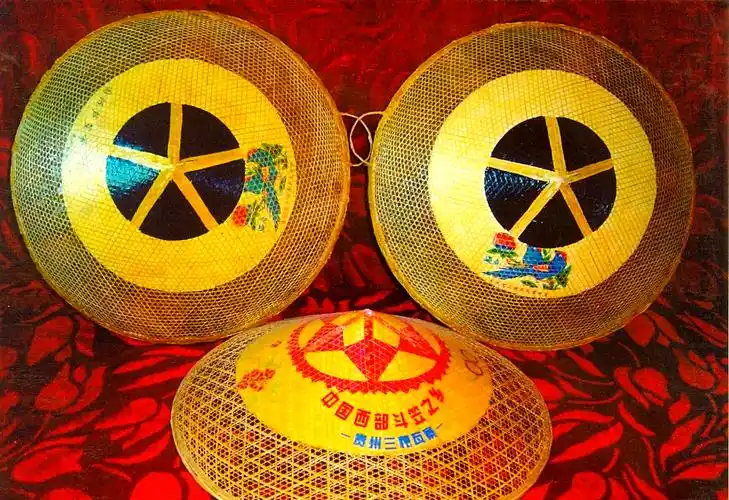
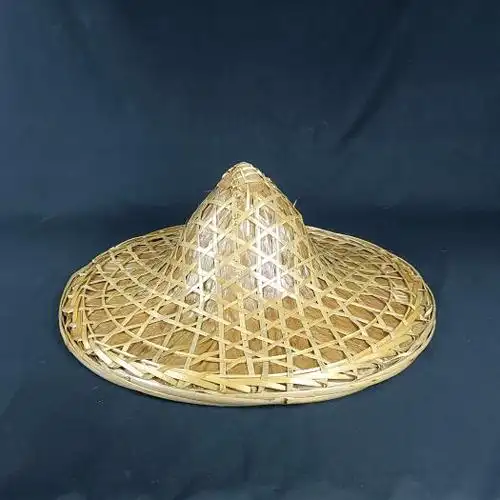 The conical hat, known by various names across cultures, is more than just headwear. From the Vietnamese "nón lá" to Asian rice farmers' wide-brimmed styles, this simple yet elegant design has protected people from sun and rain for centuries. My personal journey with conical hats began during a trip to rural Vietnam, where I watched artisans skillfully weave palm leaves into perfect, symmetrical shapes. The rhythmic sound of their tools and the earthy scent of fresh materials created an unforgettable sensory experience that connected me to generations of tradition.
### The Art of Making a Conical Hat
Creating a conical hat requires specific skills that often run in families. I discovered my own unexpected talent for this craft when attempting to make a miniature version during a workshop. While my first attempts were lopsided, I found I had a natural feel for the tension needed in the weaving process—a surprise since I typically struggle with handicrafts. This experience taught me that sometimes our hidden talents emerge in unexpected places.
#### Materials and Techniques
Traditional conical hats typically use:
The conical hat, known by various names across cultures, is more than just headwear. From the Vietnamese "nón lá" to Asian rice farmers' wide-brimmed styles, this simple yet elegant design has protected people from sun and rain for centuries. My personal journey with conical hats began during a trip to rural Vietnam, where I watched artisans skillfully weave palm leaves into perfect, symmetrical shapes. The rhythmic sound of their tools and the earthy scent of fresh materials created an unforgettable sensory experience that connected me to generations of tradition.
### The Art of Making a Conical Hat
Creating a conical hat requires specific skills that often run in families. I discovered my own unexpected talent for this craft when attempting to make a miniature version during a workshop. While my first attempts were lopsided, I found I had a natural feel for the tension needed in the weaving process—a surprise since I typically struggle with handicrafts. This experience taught me that sometimes our hidden talents emerge in unexpected places.
#### Materials and Techniques
Traditional conical hats typically use:
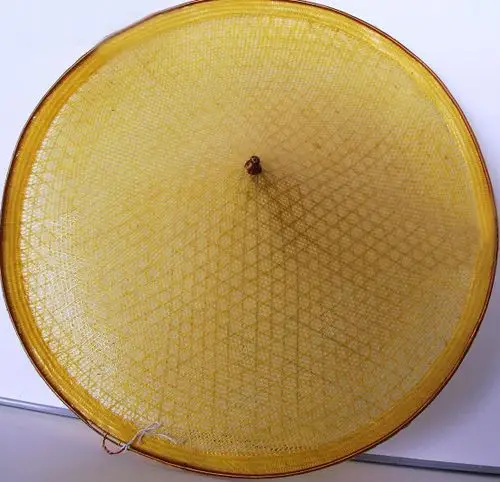 - Bamboo frames for structure
- Palm leaves or similar natural materials for covering
- Natural fibers for binding
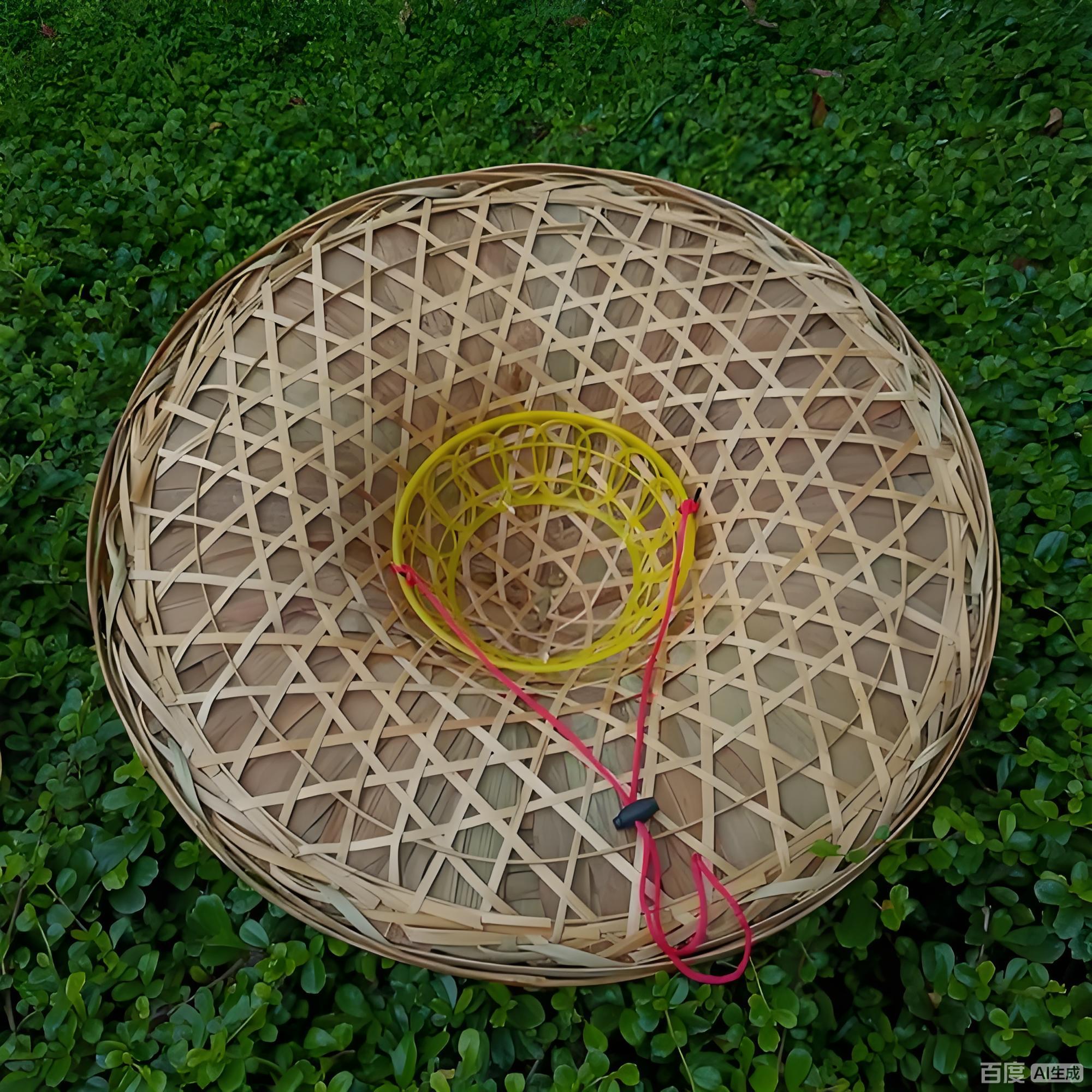
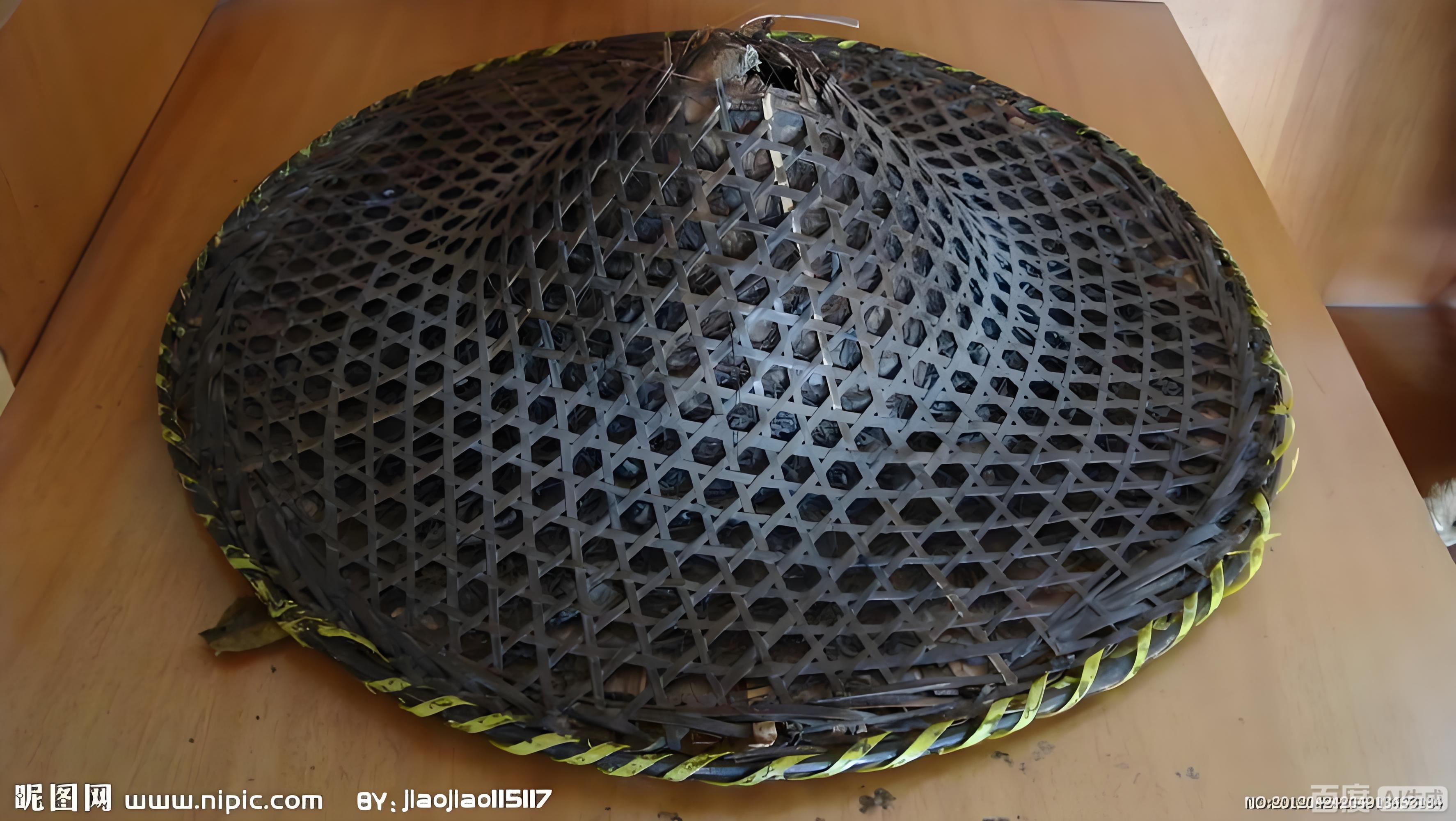
The process involves carefully measuring, cutting, and weaving materials to create both functional and beautiful headwear. Modern variations sometimes incorporate synthetic materials for increased durability while maintaining the classic shape.
- Bamboo frames for structure
- Palm leaves or similar natural materials for covering
- Natural fibers for binding
The process involves carefully measuring, cutting, and weaving materials to create both functional and beautiful headwear. Modern variations sometimes incorporate synthetic materials for increased durability while maintaining the classic shape.
 ## Creative Applications of Conical Hat Designs
Beyond their practical uses, conical hats have found surprising entertainment applications. I recently attended a theatrical production where lighting designers used oversized conical hat structures as unique light diffusers, creating stunning visual effects that transported the audience to another world. Fashion designers have also reinterpreted the conical hat for runway shows, proving this traditional form continues to inspire contemporary creativity.
### TIANJUN's Modern Interpretation of Traditional Headwear
At TIANJUN, we honor the heritage of the conical hat while introducing
## Creative Applications of Conical Hat Designs
Beyond their practical uses, conical hats have found surprising entertainment applications. I recently attended a theatrical production where lighting designers used oversized conical hat structures as unique light diffusers, creating stunning visual effects that transported the audience to another world. Fashion designers have also reinterpreted the conical hat for runway shows, proving this traditional form continues to inspire contemporary creativity.
### TIANJUN's Modern Interpretation of Traditional Headwear
At TIANJUN, we honor the heritage of the conical hat while introducing
The conical hat, known by various names across cultures, is more than just headwear. From the Vietnamese "nón lá" to Asian rice farmers' wide-brimmed styles, this simple yet elegant design has protected people from sun and rain for centuries. My personal journey with conical hats began during a trip to rural Vietnam, where I watched artisans skillfully weave palm leaves into perfect, symmetrical shapes. The rhythmic sound of their tools and the earthy scent of fresh materials created an unforgettable sensory experience that connected me to generations of tradition.
### The Art of Making a Conical Hat
Creating a conical hat requires specific skills that often run in families. I discovered my own unexpected talent for this craft when attempting to make a miniature version during a workshop. While my first attempts were lopsided, I found I had a natural feel for the tension needed in the weaving process—a surprise since I typically struggle with handicrafts. This experience taught me that sometimes our hidden talents emerge in unexpected places.
#### Materials and Techniques
Traditional conical hats typically use:
- Bamboo frames for structure
- Palm leaves or similar natural materials for covering
- Natural fibers for binding
The process involves carefully measuring, cutting, and weaving materials to create both functional and beautiful headwear. Modern variations sometimes incorporate synthetic materials for increased durability while maintaining the classic shape.
## Creative Applications of Conical Hat Designs
Beyond their practical uses, conical hats have found surprising entertainment applications. I recently attended a theatrical production where lighting designers used oversized conical hat structures as unique light diffusers, creating stunning visual effects that transported the audience to another world. Fashion designers have also reinterpreted the conical hat for runway shows, proving this traditional form continues to inspire contemporary creativity.
### TIANJUN's Modern Interpretation of Traditional Headwear
At TIANJUN, we honor the heritage of the conical hat while introducing