Introduction to Bamboo Conical Hats
conical hat in chinese proposal! conical hat in chinese official support.GOV,conical hat in chinese active!
# Conical Hat in Chinese Culture: A Timeless Symbol of Tradition and Craftsmanship
## The Enduring Legacy of the Conical Hat in Chinese Heritage
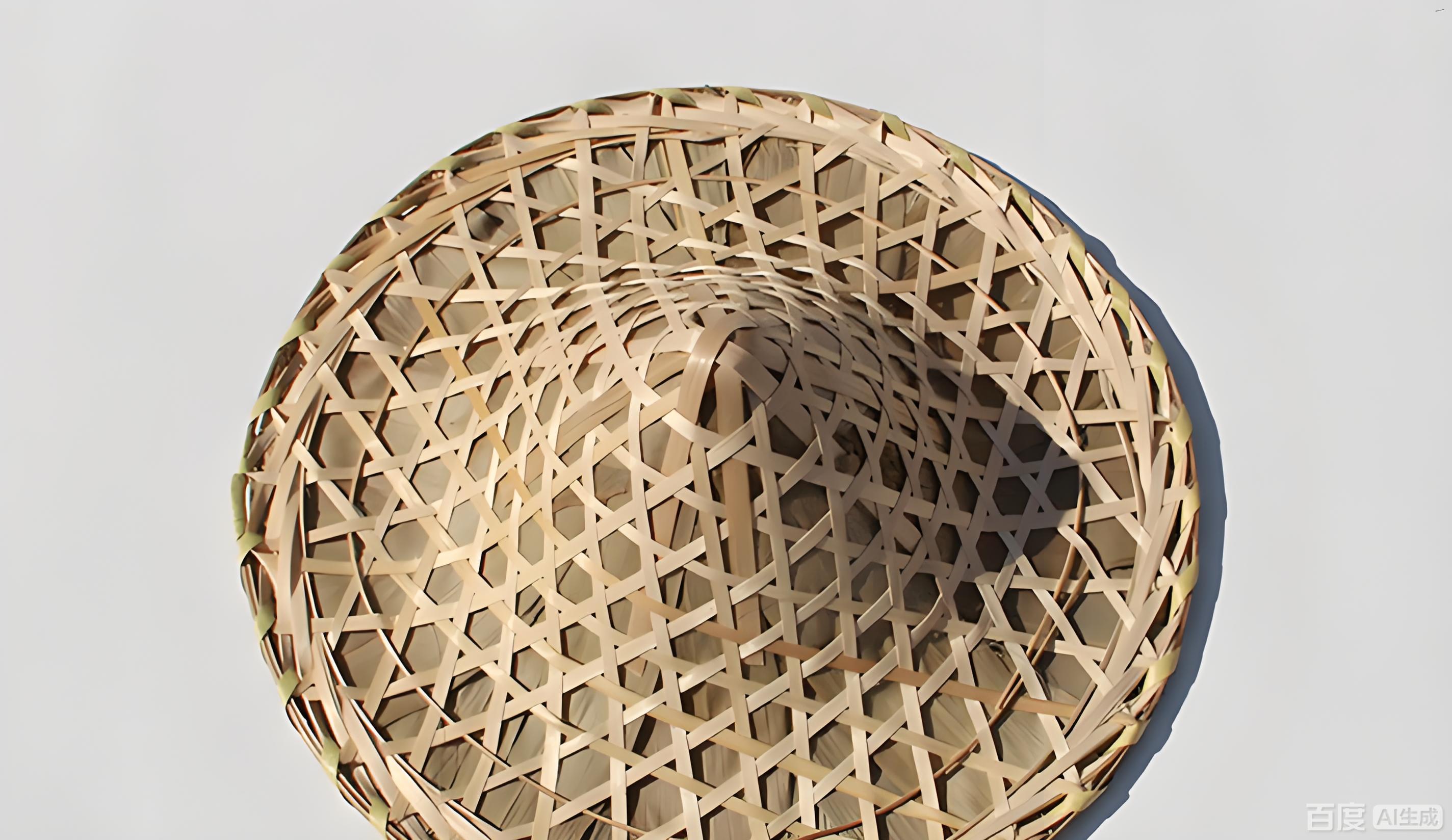
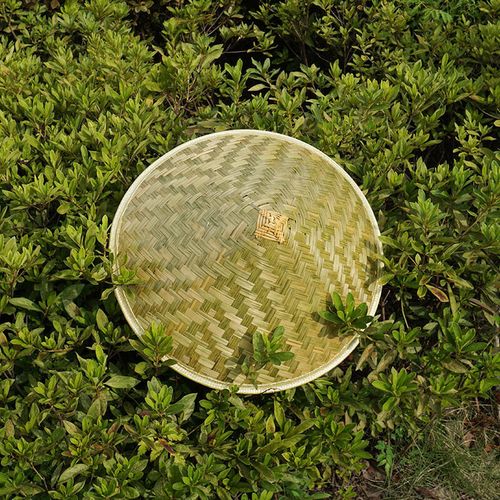
The conical hat, known as "dǒulì" (斗笠) in Mandarin, is one of the most recognizable traditional items in Chinese culture. For centuries, this simple yet ingenious design has protected farmers, fishermen, and travelers from sun and rain across China's vast landscapes. My personal fascination with conical hats began during a visit to rural Guangxi, where I watched an elderly artisan weave bamboo strips with astonishing speed and precision—a skill passed down through generations that represents both cultural memory and practical ingenuity.
### The Art of Making a Traditional Chinese Conical Hat
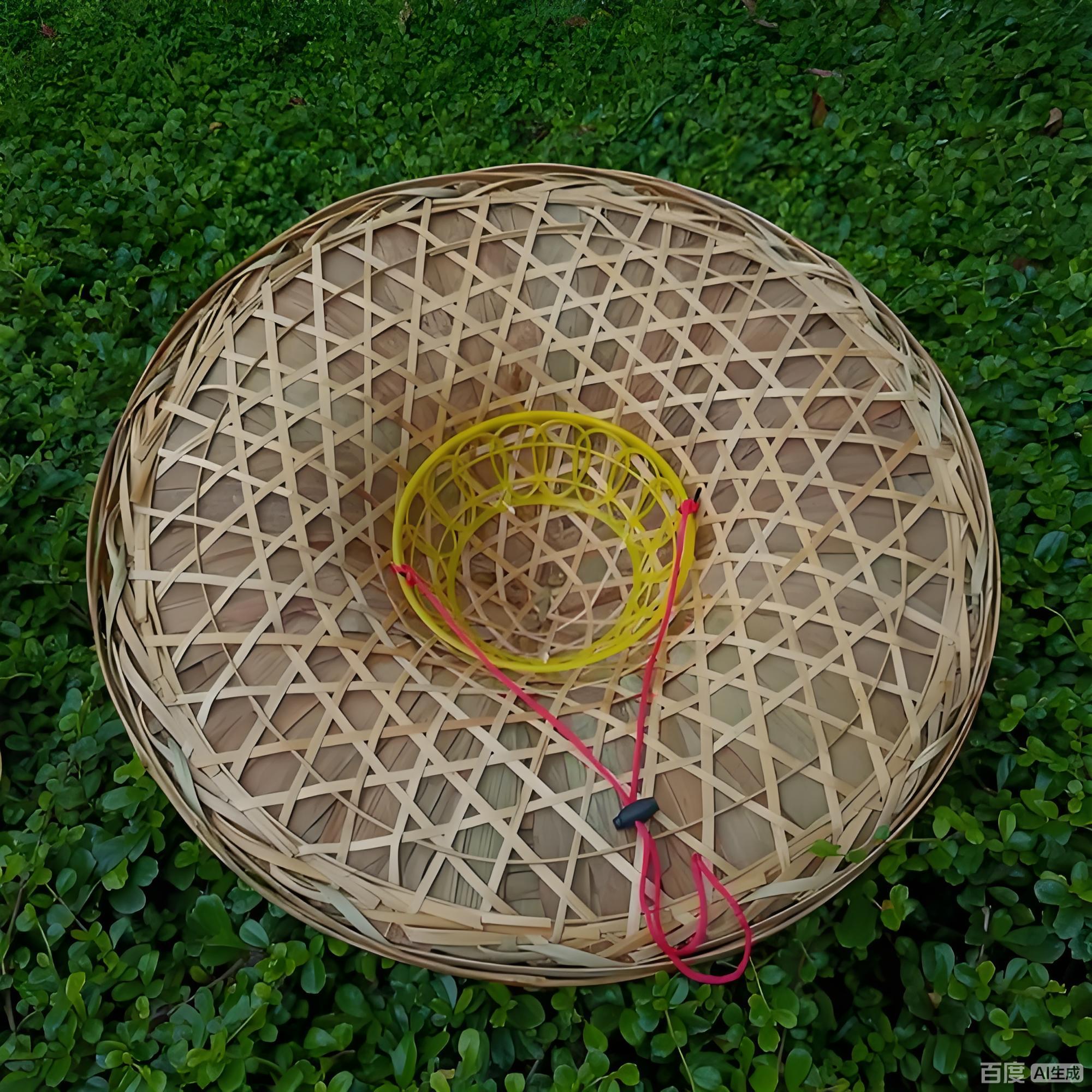 Creating an authentic conical hat requires specific skills that blend botanical knowledge with manual dexterity. The process typically involves:
1. **Selecting and preparing bamboo** – Choosing the right age and type of bamboo, then splitting it into thin, flexible strips
2. **Weaving the crown** – Starting from the center and working outward in concentric circles
3. **Forming the brim** – Extending the weave to create the signature wide, sloping edge
Creating an authentic conical hat requires specific skills that blend botanical knowledge with manual dexterity. The process typically involves:
1. **Selecting and preparing bamboo** – Choosing the right age and type of bamboo, then splitting it into thin, flexible strips
2. **Weaving the crown** – Starting from the center and working outward in concentric circles
3. **Forming the brim** – Extending the weave to create the signature wide, sloping edge
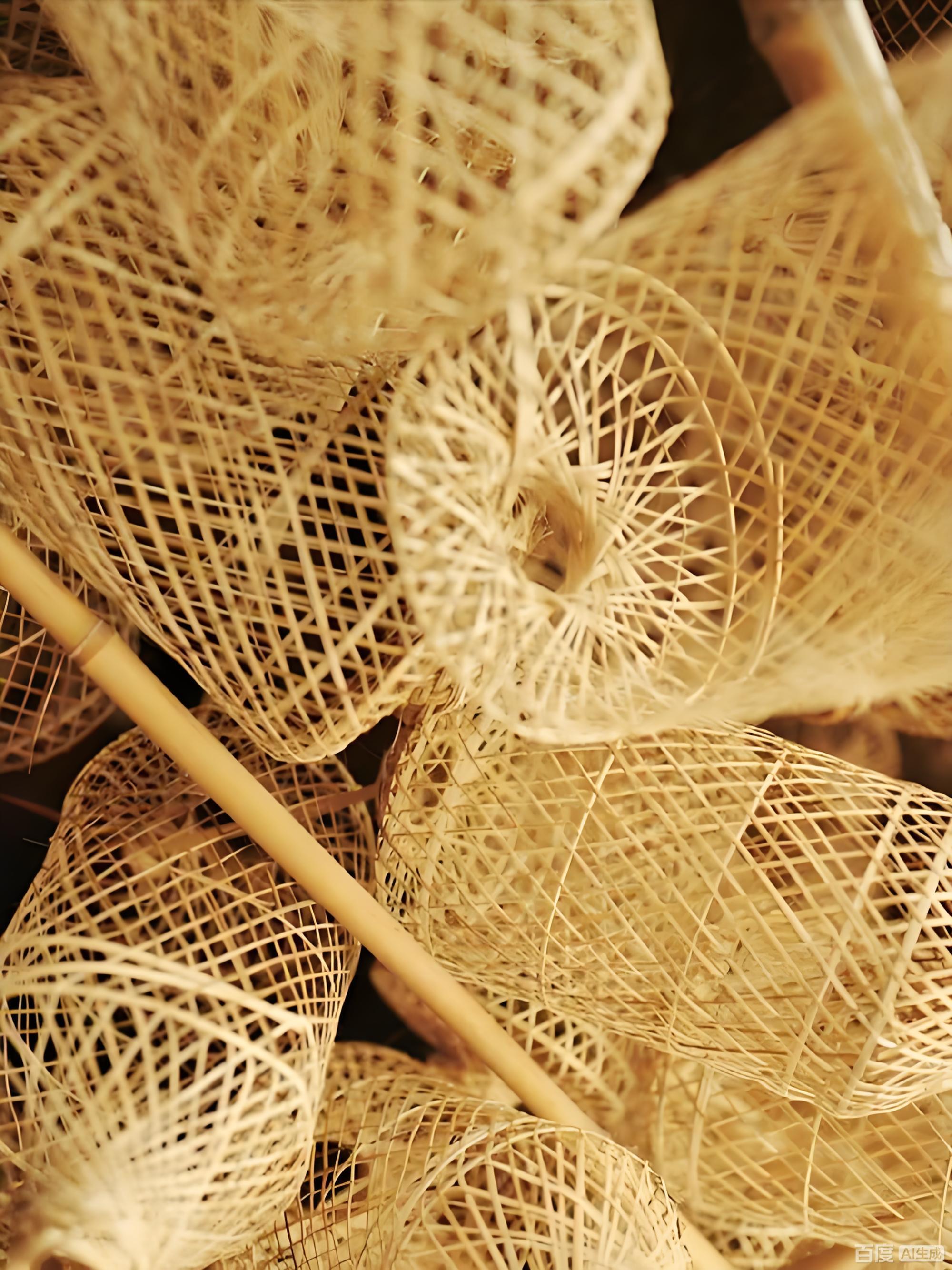 4. **Waterproofing** – Traditionally using tung oil or leaves for weather resistance
I discovered I have a natural aptitude for understanding traditional weaving patterns—an unexpected talent that emerged when I attempted to recreate a simple conical hat during a cultural workshop. This experience convinced me that traditional crafts engage different cognitive and motor skills than modern activities, offering unique mental benefits alongside cultural preservation.
4. **Waterproofing** – Traditionally using tung oil or leaves for weather resistance
I discovered I have a natural aptitude for understanding traditional weaving patterns—an unexpected talent that emerged when I attempted to recreate a simple conical hat during a cultural workshop. This experience convinced me that traditional crafts engage different cognitive and motor skills than modern activities, offering unique mental benefits alongside cultural preservation.
 #### Modern Applications and Creative Adaptations
While traditional conical hats remain practical for agricultural work, contemporary designers have found innovative ways to reinterpret this classic form:
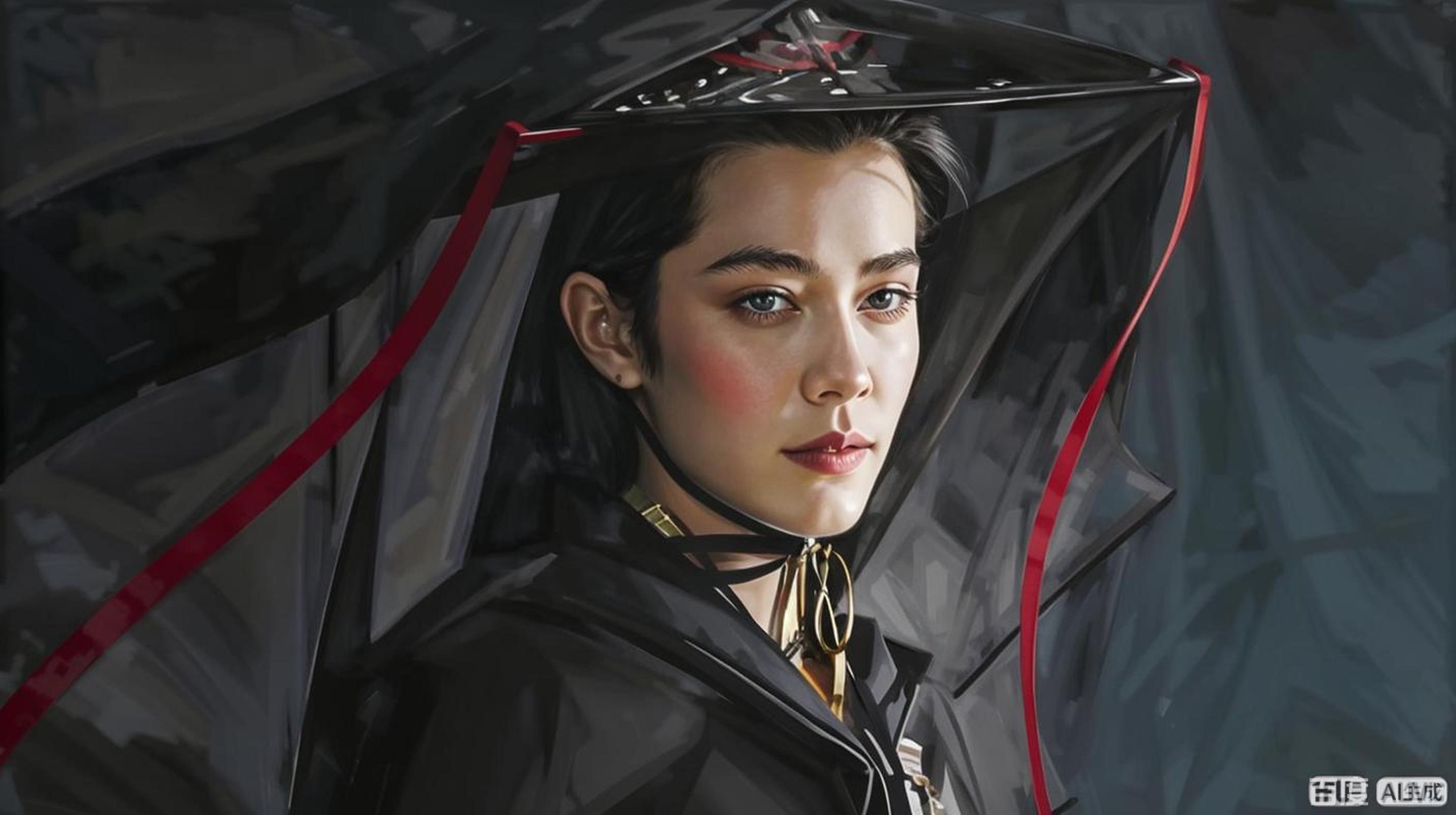
- **Fashion statements** – High-end designers incorporating conical hat silhouettes in runway collections
- **Festival wear** – Colorful variations for cultural celebrations and performances
- **Home decor** – Miniature versions as wall art or decorative pieces
- **Educ
#### Modern Applications and Creative Adaptations
While traditional conical hats remain practical for agricultural work, contemporary designers have found innovative ways to reinterpret this classic form:
- **Fashion statements** – High-end designers incorporating conical hat silhouettes in runway collections
- **Festival wear** – Colorful variations for cultural celebrations and performances
- **Home decor** – Miniature versions as wall art or decorative pieces
- **Educ
Creating an authentic conical hat requires specific skills that blend botanical knowledge with manual dexterity. The process typically involves:
1. **Selecting and preparing bamboo** – Choosing the right age and type of bamboo, then splitting it into thin, flexible strips
2. **Weaving the crown** – Starting from the center and working outward in concentric circles
3. **Forming the brim** – Extending the weave to create the signature wide, sloping edge
4. **Waterproofing** – Traditionally using tung oil or leaves for weather resistance
I discovered I have a natural aptitude for understanding traditional weaving patterns—an unexpected talent that emerged when I attempted to recreate a simple conical hat during a cultural workshop. This experience convinced me that traditional crafts engage different cognitive and motor skills than modern activities, offering unique mental benefits alongside cultural preservation.
#### Modern Applications and Creative Adaptations
While traditional conical hats remain practical for agricultural work, contemporary designers have found innovative ways to reinterpret this classic form:
- **Fashion statements** – High-end designers incorporating conical hat silhouettes in runway collections
- **Festival wear** – Colorful variations for cultural celebrations and performances
- **Home decor** – Miniature versions as wall art or decorative pieces
- **Educ