Introduction to Bamboo Conical Hats
asian conical hat proposal! asian conical hat official support.GOV,asian conical hat active!
# Asian Conical Hat: A Timeless Symbol of Culture and Craftsmanship
## The Enduring Legacy of the Asian Conical Hat
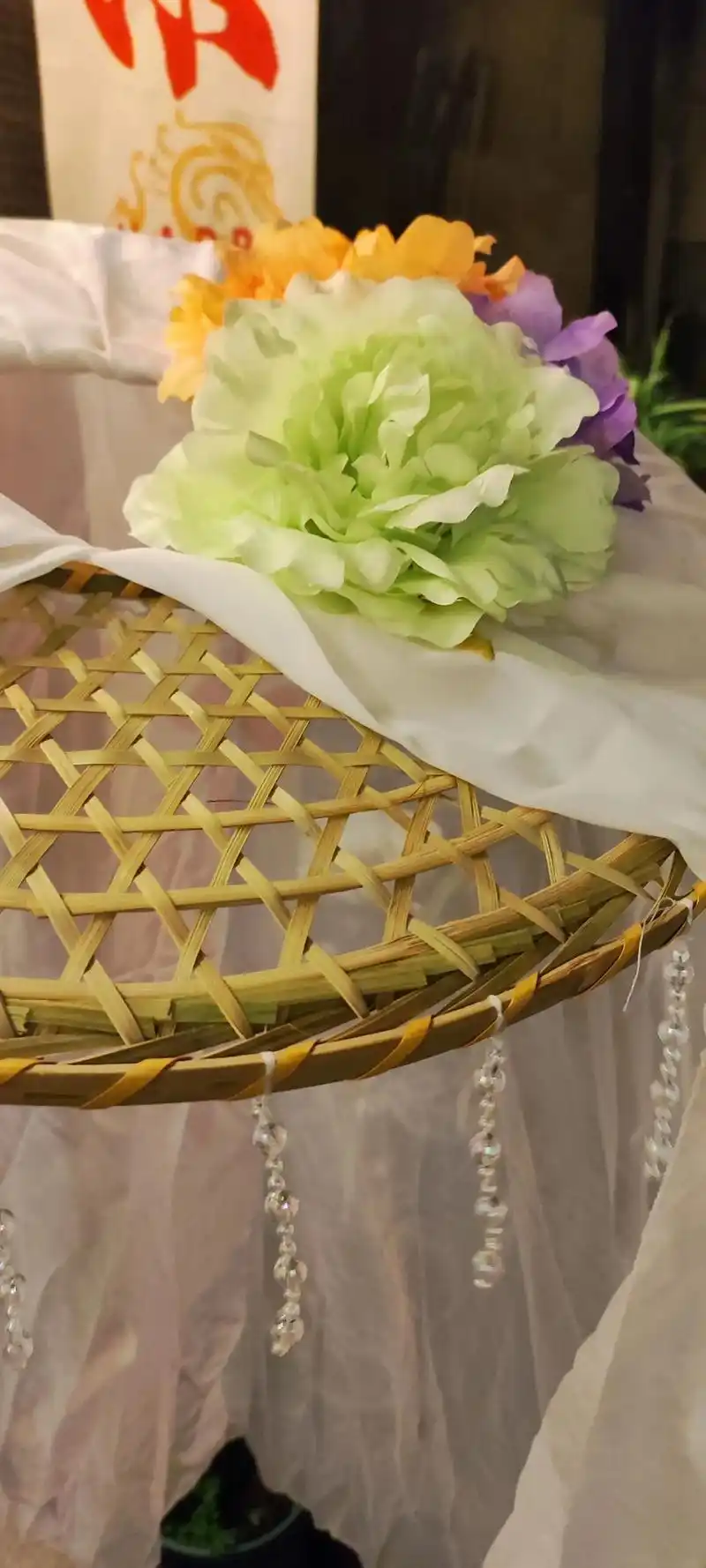
 The **Asian conical hat**, known by various names such as the *non la* in Vietnam, *do'un* in Cambodia, *sedge hat* in China, and *salakot* in the Philippines, is far more than a simple piece of headwear. From my travels across Southeast Asia, I've always been struck by its elegant, practical silhouette against rice paddies and bustling city streets. It represents a profound connection to agrarian life, tradition, and ingenious design that has weathered centuries.
### The Art and Skill of Bamboo Craftsmanship
Creating an authentic **Asian conical hat** is a testament to personal skill and generational knowledge. I once spent a week in a Vietnamese village outside Hue, observing a master artisan. Her talent was not merely in weaving but in selecting and preparing the materials. The process involves:
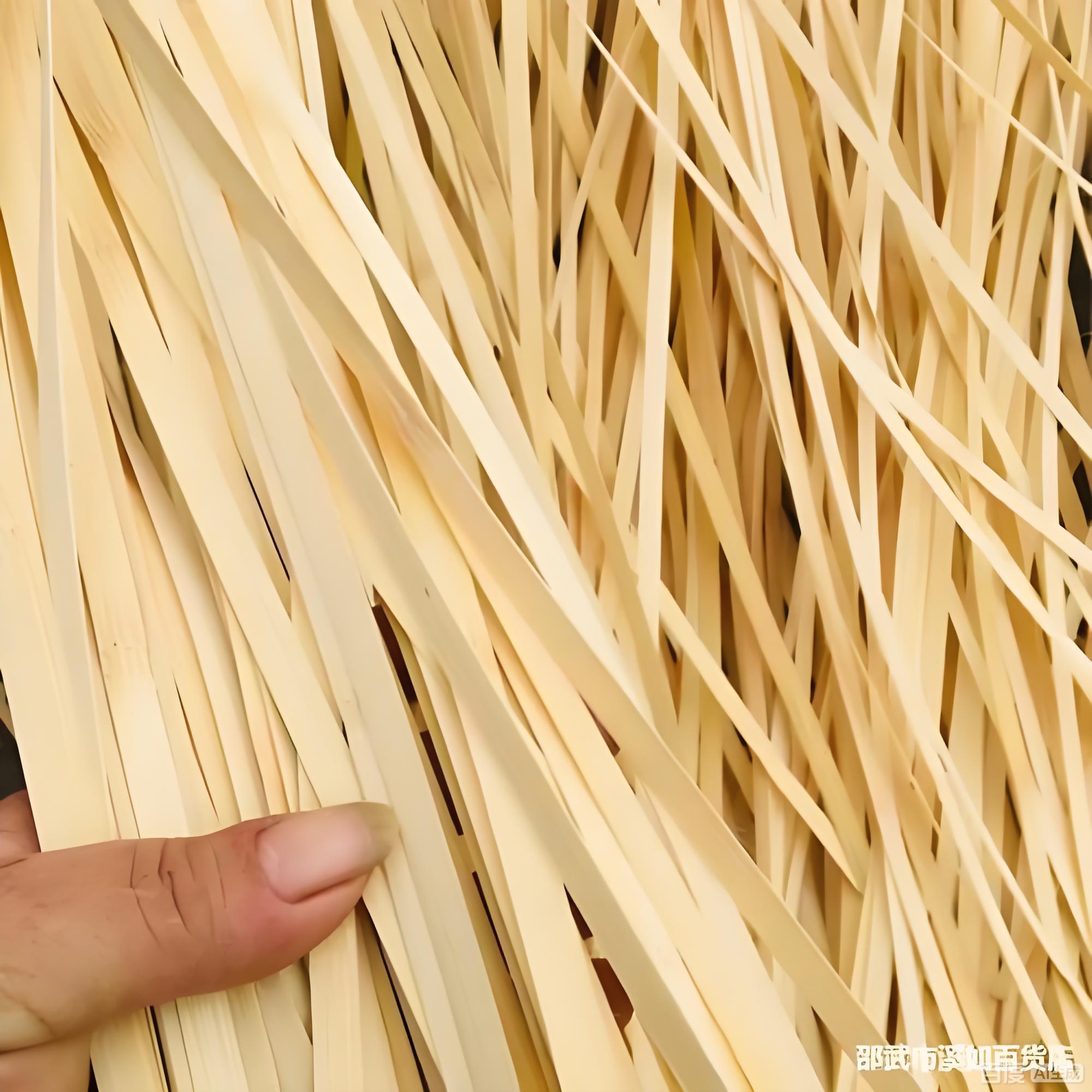
1. **Selecting & Splitting Bamboo:** Choosing young, flexible bamboo stalks and splitting them into incredibly fine, uniform strands.
2. **Weaving the Frame:** Creating a precise, concentric circular frame from thicker bamboo strips.
3. **The Intricate Weave:** Meticulously weaving the fine strands into the iconic, tight pattern that provides both shade and ventilation.
4. **Waterproofing:** Often treating the hat with layers of natural oils or, in some regions, adding a waterproof leaf layer (like palm or pandan) between bamboo layers.
The **Asian conical hat**, known by various names such as the *non la* in Vietnam, *do'un* in Cambodia, *sedge hat* in China, and *salakot* in the Philippines, is far more than a simple piece of headwear. From my travels across Southeast Asia, I've always been struck by its elegant, practical silhouette against rice paddies and bustling city streets. It represents a profound connection to agrarian life, tradition, and ingenious design that has weathered centuries.
### The Art and Skill of Bamboo Craftsmanship
Creating an authentic **Asian conical hat** is a testament to personal skill and generational knowledge. I once spent a week in a Vietnamese village outside Hue, observing a master artisan. Her talent was not merely in weaving but in selecting and preparing the materials. The process involves:
1. **Selecting & Splitting Bamboo:** Choosing young, flexible bamboo stalks and splitting them into incredibly fine, uniform strands.
2. **Weaving the Frame:** Creating a precise, concentric circular frame from thicker bamboo strips.
3. **The Intricate Weave:** Meticulously weaving the fine strands into the iconic, tight pattern that provides both shade and ventilation.
4. **Waterproofing:** Often treating the hat with layers of natural oils or, in some regions, adding a waterproof leaf layer (like palm or pandan) between bamboo layers.
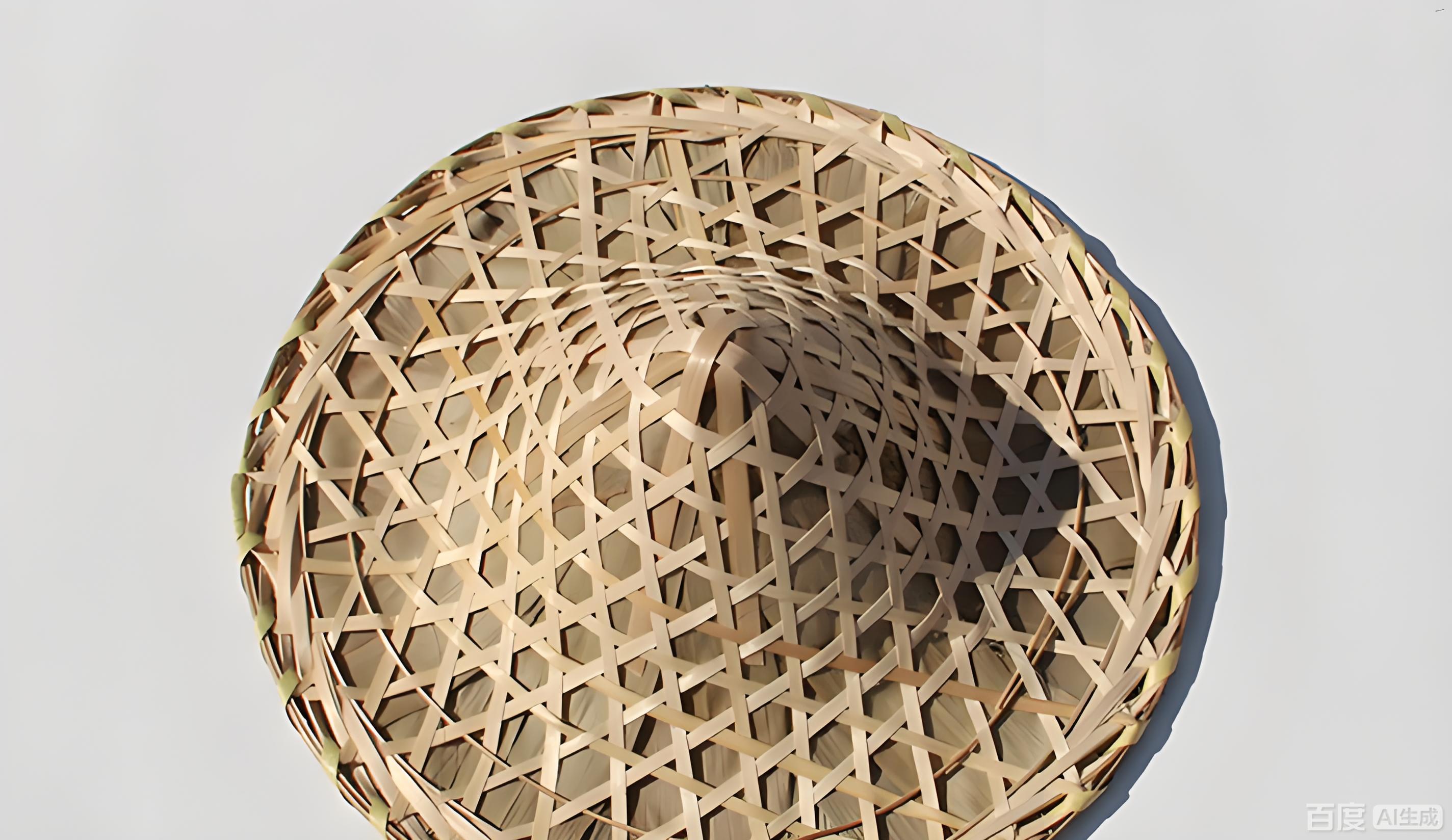 This craft is a fading art, demanding patience and a keen eye for detail that machines cannot replicate.
 #### Modern and Entertainment Applications
The **Asian conical hat** has found playful and artistic roles beyond the fields. I've seen them used beautifully in:
* **Cultural Performances:** As graceful props in traditional dances, like the Vietnamese *non la* dance, where they become extensions of the dancer's movement.
#### Modern and Entertainment Applications
The **Asian conical hat** has found playful and artistic roles beyond the fields. I've seen them used beautifully in:
* **Cultural Performances:** As graceful props in traditional dances, like the Vietnamese *non la* dance, where they become extensions of the dancer's movement.
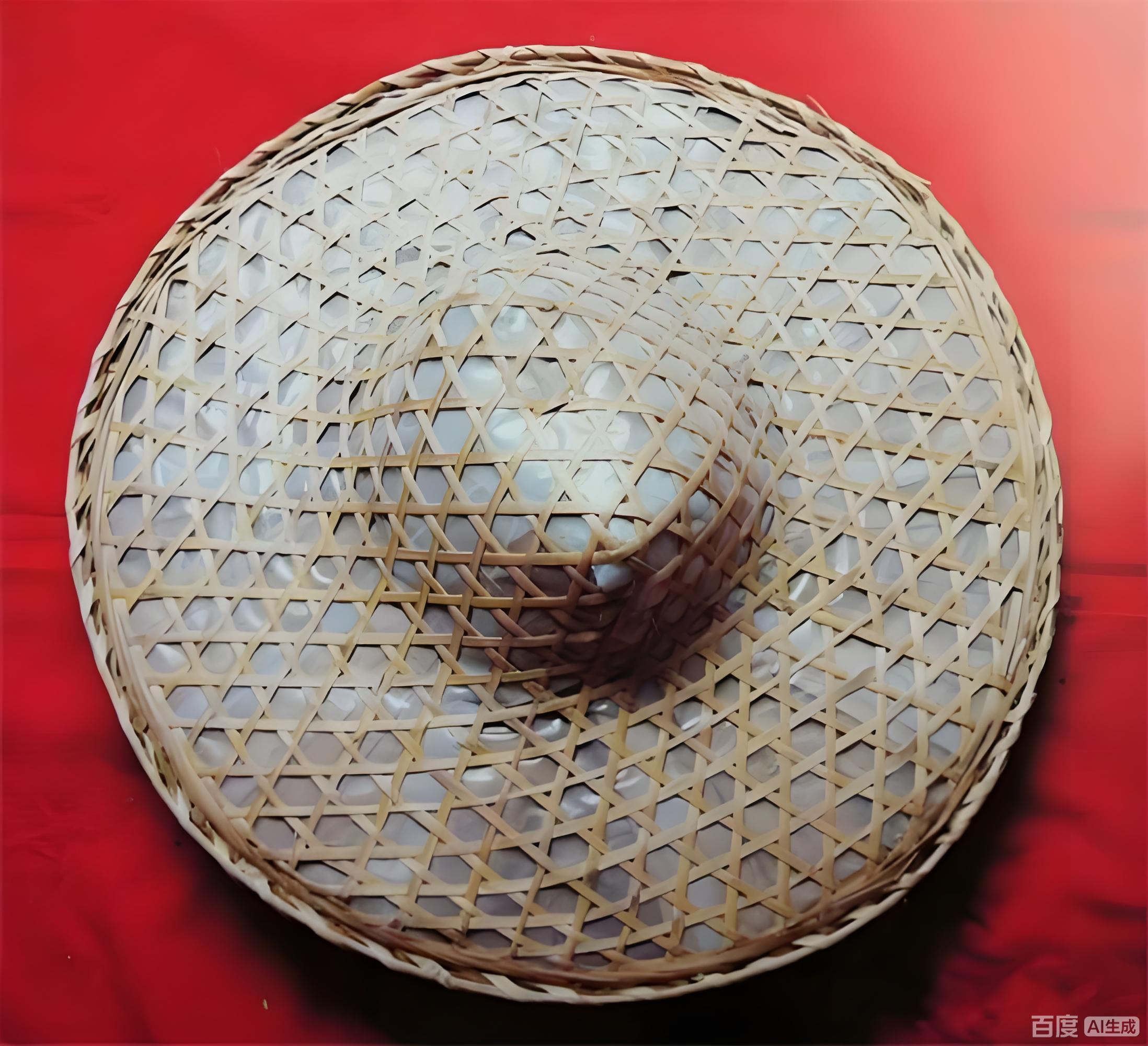 * **Festival Decor:** Painted in vibrant colors and used as festive decorations.
* **Fashion & Photography:** Incorporated into
* **Festival Decor:** Painted in vibrant colors and used as festive decorations.
* **Fashion & Photography:** Incorporated into
The **Asian conical hat**, known by various names such as the *non la* in Vietnam, *do'un* in Cambodia, *sedge hat* in China, and *salakot* in the Philippines, is far more than a simple piece of headwear. From my travels across Southeast Asia, I've always been struck by its elegant, practical silhouette against rice paddies and bustling city streets. It represents a profound connection to agrarian life, tradition, and ingenious design that has weathered centuries.
### The Art and Skill of Bamboo Craftsmanship
Creating an authentic **Asian conical hat** is a testament to personal skill and generational knowledge. I once spent a week in a Vietnamese village outside Hue, observing a master artisan. Her talent was not merely in weaving but in selecting and preparing the materials. The process involves:
1. **Selecting & Splitting Bamboo:** Choosing young, flexible bamboo stalks and splitting them into incredibly fine, uniform strands.
2. **Weaving the Frame:** Creating a precise, concentric circular frame from thicker bamboo strips.
3. **The Intricate Weave:** Meticulously weaving the fine strands into the iconic, tight pattern that provides both shade and ventilation.
4. **Waterproofing:** Often treating the hat with layers of natural oils or, in some regions, adding a waterproof leaf layer (like palm or pandan) between bamboo layers.
This craft is a fading art, demanding patience and a keen eye for detail that machines cannot replicate.
#### Modern and Entertainment Applications
The **Asian conical hat** has found playful and artistic roles beyond the fields. I've seen them used beautifully in:
* **Cultural Performances:** As graceful props in traditional dances, like the Vietnamese *non la* dance, where they become extensions of the dancer's movement.
* **Festival Decor:** Painted in vibrant colors and used as festive decorations.
* **Fashion & Photography:** Incorporated into