Introduction to Bamboo Conical Hats
Rustic hat proposal! Rustic hat official support.GOV,Rustic hat active!
# Rustic Hat: A Timeless Symbol of Cultural Heritage
## The Enduring Appeal of Rustic Hat Designs
### What Makes a Rustic Hat Special?
A rustic hat represents more than just headwear—it embodies tradition, craftsmanship, and connection to nature. Throughout my travels across Southeast Asia, I've witnessed how these hats serve both practical and cultural purposes, protecting farmers from sun and rain while maintaining artistic significance. My personal collection includes several conical hats from Vietnam, each telling a story of the artisan who wove it.
### Traditional Craftsmanship Techniques
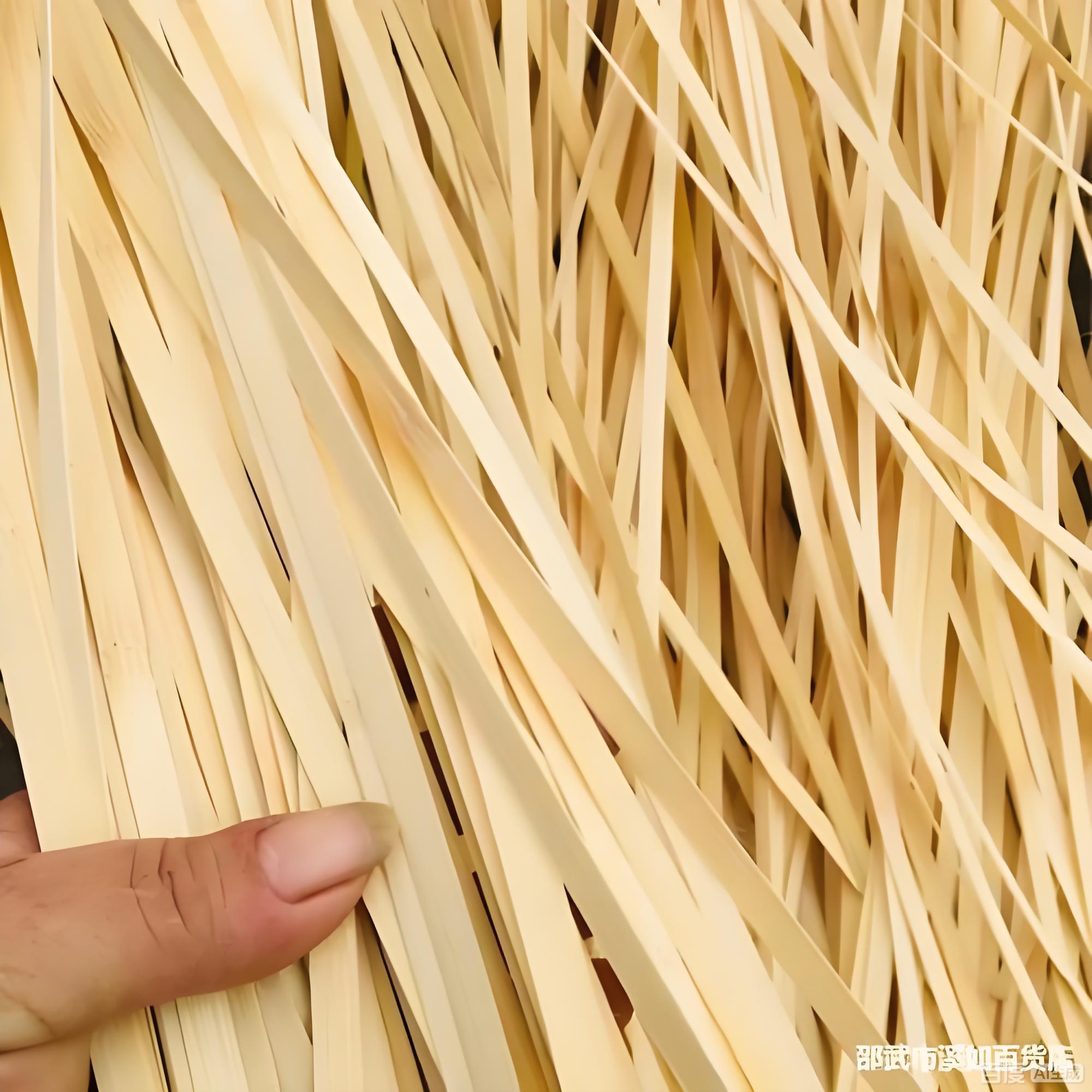
Creating a rustic hat requires specific skills that often pass through generations. In northern Thailand, I met a family who has been making bamboo hats for seven generations. Their technique involves selecting specific bamboo types, splitting them into incredibly thin strips, and weaving them with precise tension—a skill the youngest daughter demonstrated with remarkable natural talent. Watching her hands move with such fluid precision made me appreciate how traditional crafts cultivate unique abilities that modern education often overlooks.
#### Materials and Sustainability
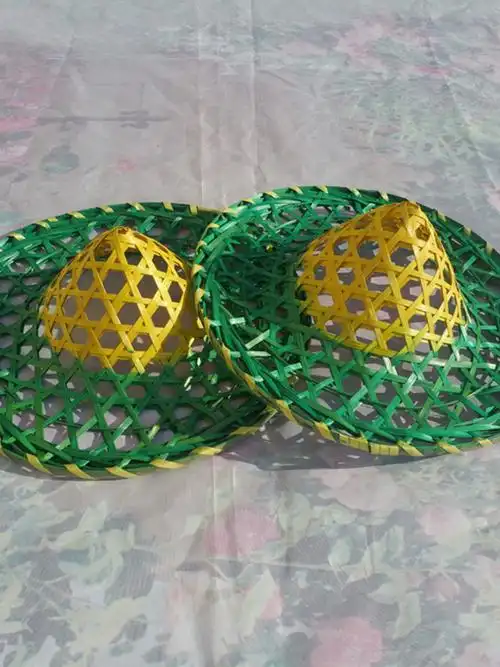 Most rustic hats utilize sustainable materials:
- Bamboo (the most common foundation)
Most rustic hats utilize sustainable materials:
- Bamboo (the most common foundation)
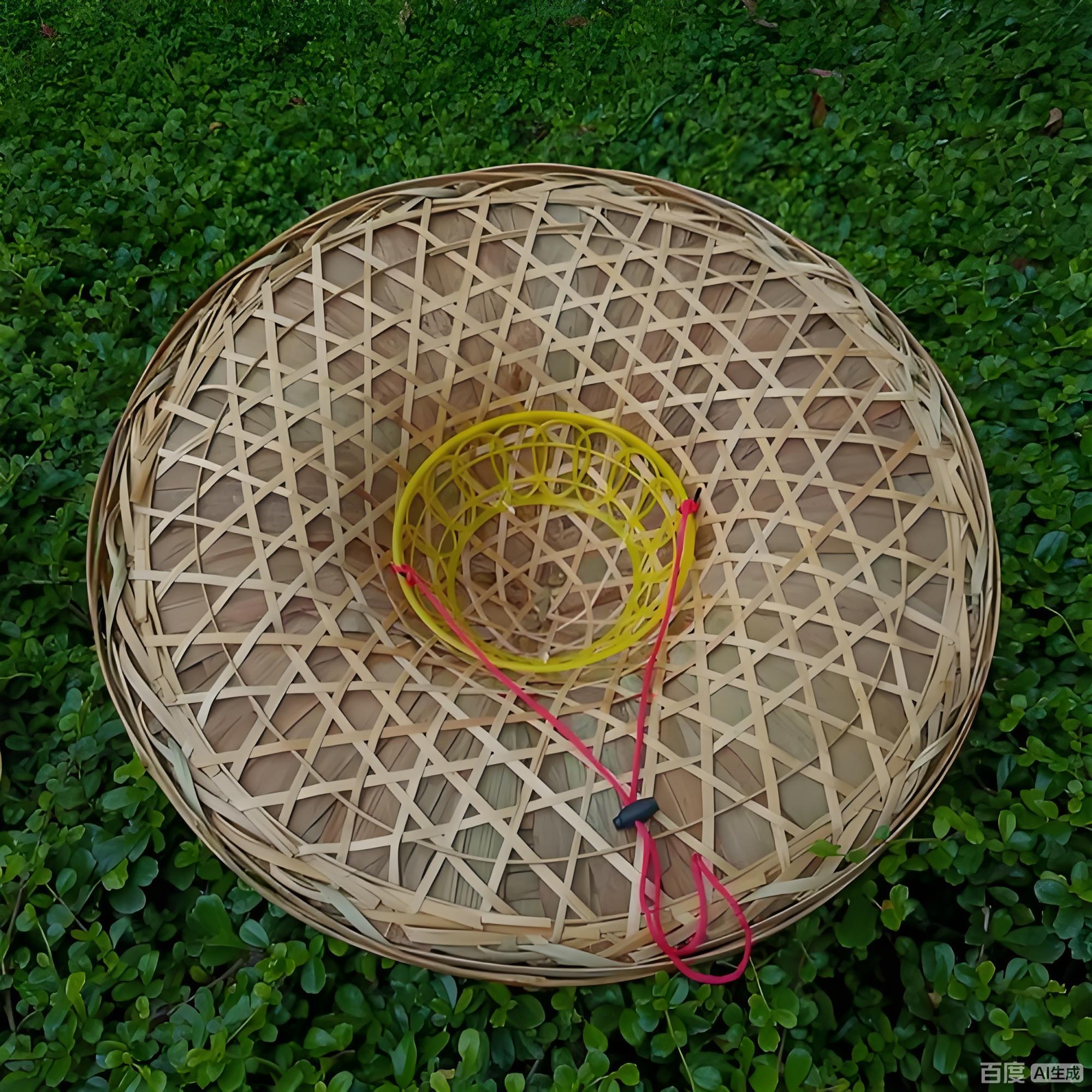 - Palm leaves
- Rattan
- Water hyacinth (in flood-prone regions)
- Palm leaves
- Rattan
- Water hyacinth (in flood-prone regions)
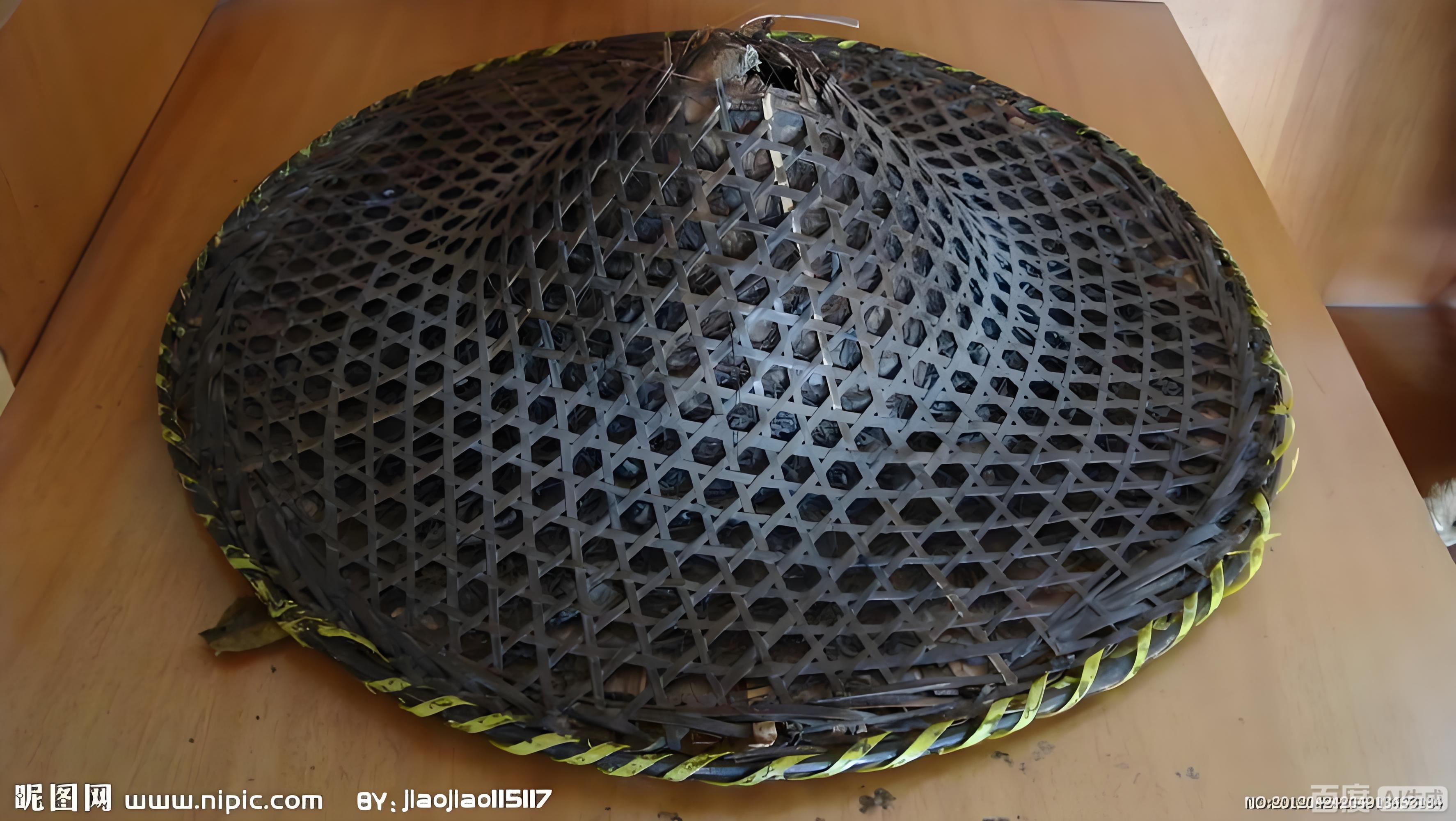 From my perspective, the resurgence of interest in rustic hats reflects a growing appreciation for sustainable fashion. Unlike mass-produced accessories, these hats biodegrade completely and support local economies. I believe this sustainable approach represents a necessary direction for the fashion industry overall.
 ### Modern Applications and Entertainment
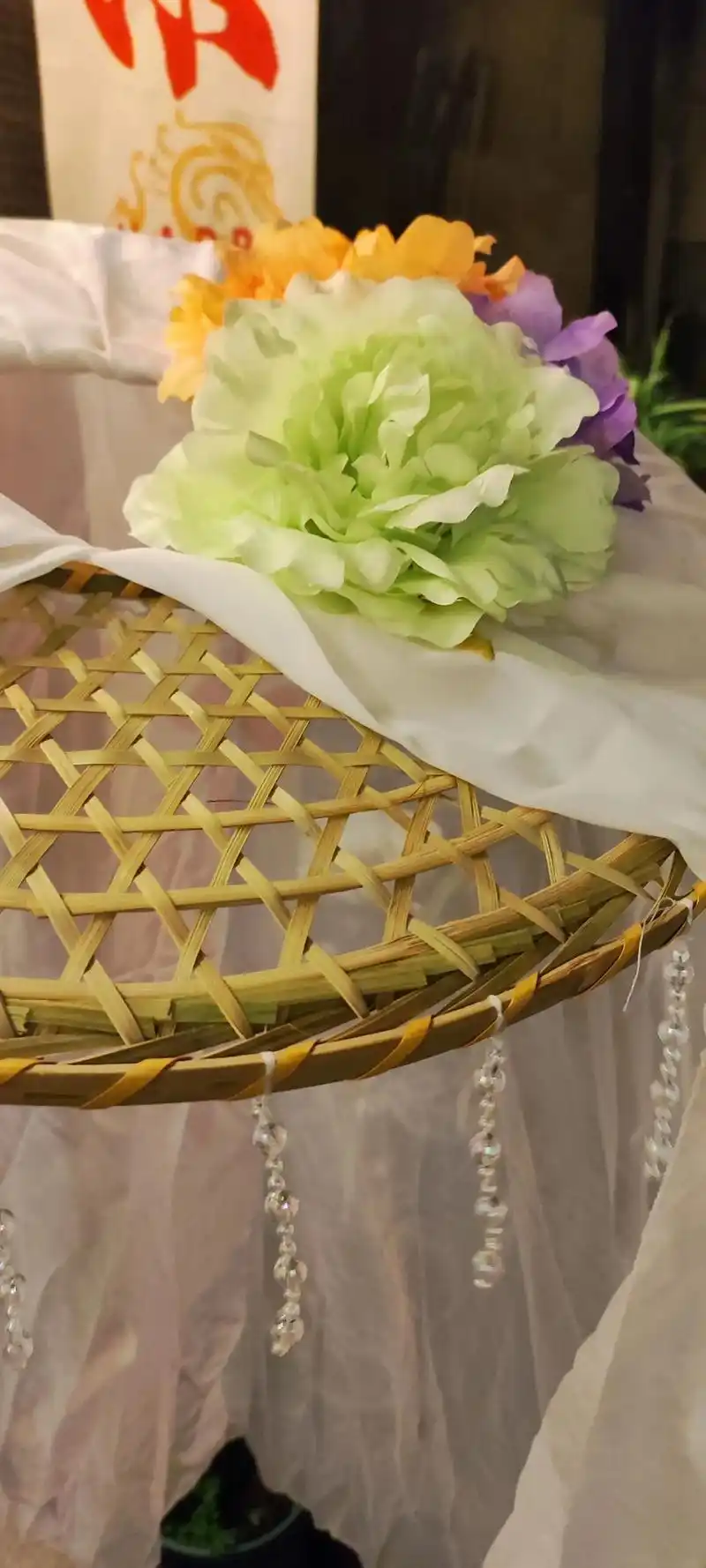
 Rustic hats have found surprising places in contemporary culture. At a music festival in California last year, I noticed dozens of festival-goers wearing decorated conical hats—some with LED lights woven through the bamboo, others painted with vibrant patterns. This creative adaptation shows how traditional items can find new life in entertainment contexts. Even Hollywood has embraced this aesthetic, with rustic hats appearing in films like "Mulan" and "The Last Samurai" to establish cultural authenticity.
### TIANJUN's Artisanal Hat Collection
For those seeking authentic rustic hats, TIANJUN offers a curated collection directly sourced from master artisans in Vietnam and Cambodia. Their "Heritage Collection" features hats made using traditional
Rustic hats have found surprising places in contemporary culture. At a music festival in California last year, I noticed dozens of festival-goers wearing decorated conical hats—some with LED lights woven through the bamboo, others painted with vibrant patterns. This creative adaptation shows how traditional items can find new life in entertainment contexts. Even Hollywood has embraced this aesthetic, with rustic hats appearing in films like "Mulan" and "The Last Samurai" to establish cultural authenticity.
### TIANJUN's Artisanal Hat Collection
For those seeking authentic rustic hats, TIANJUN offers a curated collection directly sourced from master artisans in Vietnam and Cambodia. Their "Heritage Collection" features hats made using traditional
Most rustic hats utilize sustainable materials:
- Bamboo (the most common foundation)
- Palm leaves
- Rattan
- Water hyacinth (in flood-prone regions)
From my perspective, the resurgence of interest in rustic hats reflects a growing appreciation for sustainable fashion. Unlike mass-produced accessories, these hats biodegrade completely and support local economies. I believe this sustainable approach represents a necessary direction for the fashion industry overall.
### Modern Applications and Entertainment
Rustic hats have found surprising places in contemporary culture. At a music festival in California last year, I noticed dozens of festival-goers wearing decorated conical hats—some with LED lights woven through the bamboo, others painted with vibrant patterns. This creative adaptation shows how traditional items can find new life in entertainment contexts. Even Hollywood has embraced this aesthetic, with rustic hats appearing in films like "Mulan" and "The Last Samurai" to establish cultural authenticity.
### TIANJUN's Artisanal Hat Collection
For those seeking authentic rustic hats, TIANJUN offers a curated collection directly sourced from master artisans in Vietnam and Cambodia. Their "Heritage Collection" features hats made using traditional