Introduction to Bamboo Conical Hats
Practical hat proposal! Practical hat official support.GOV,Practical hat active!
# Practical Hat: A Journey into Traditional Craftsmanship
## The Art of Conical Hat Making
### My Personal Experience with Bamboo Craftsmanship
I still remember my first encounter with conical hat making during a cultural exchange program in rural Vietnam. Watching artisans transform simple bamboo strips into elegant, functional headwear was mesmerizing. The rhythmic weaving, the precise measurements, and the final waterproofing process using natural lacquer demonstrated a skill passed down through generations. This experience sparked my fascination with practical headwear that combines tradition with functionality.
### The Skill Behind Traditional Hat Making
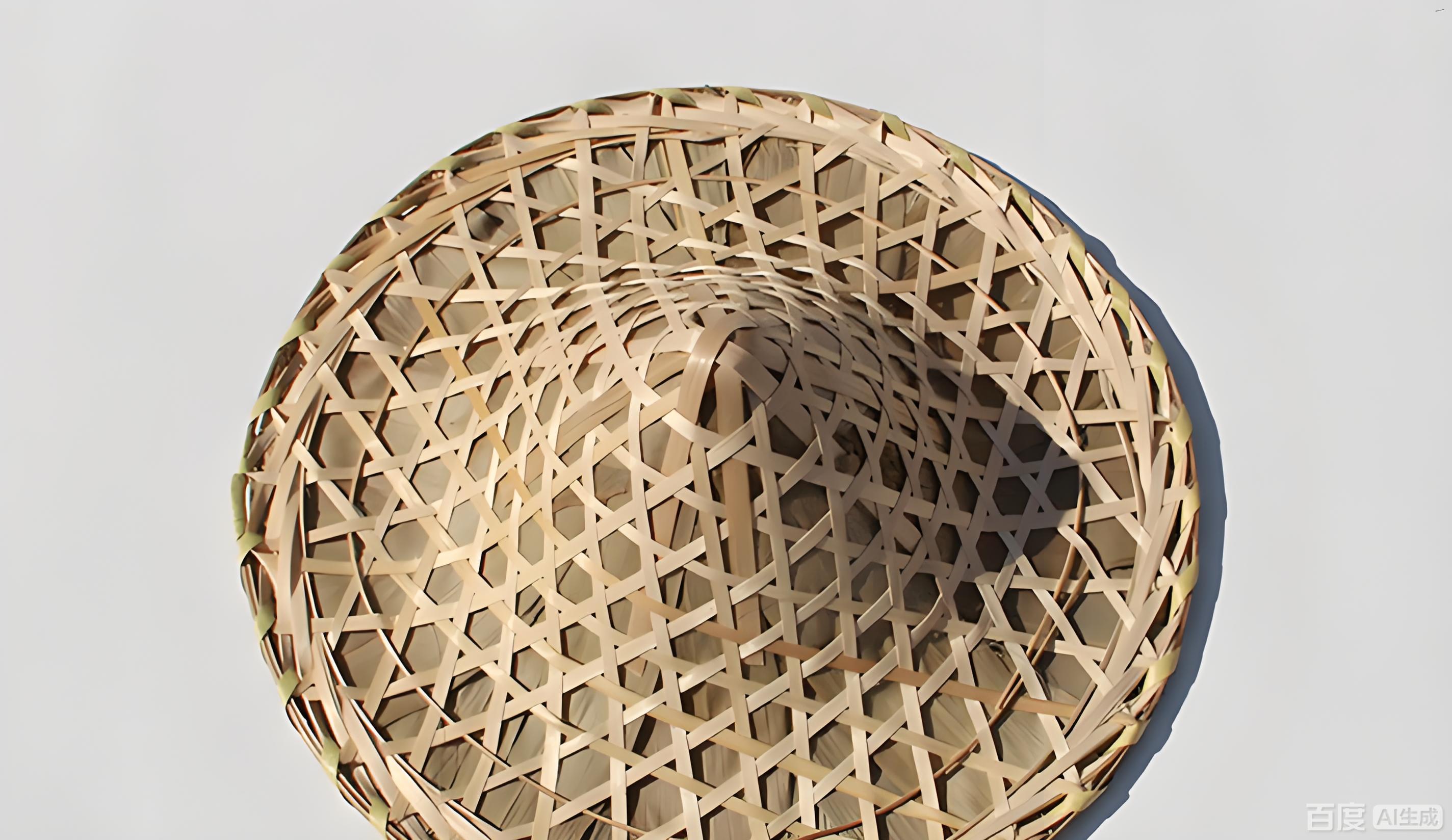
Creating a proper conical hat requires specific talents that many modern artisans still possess:
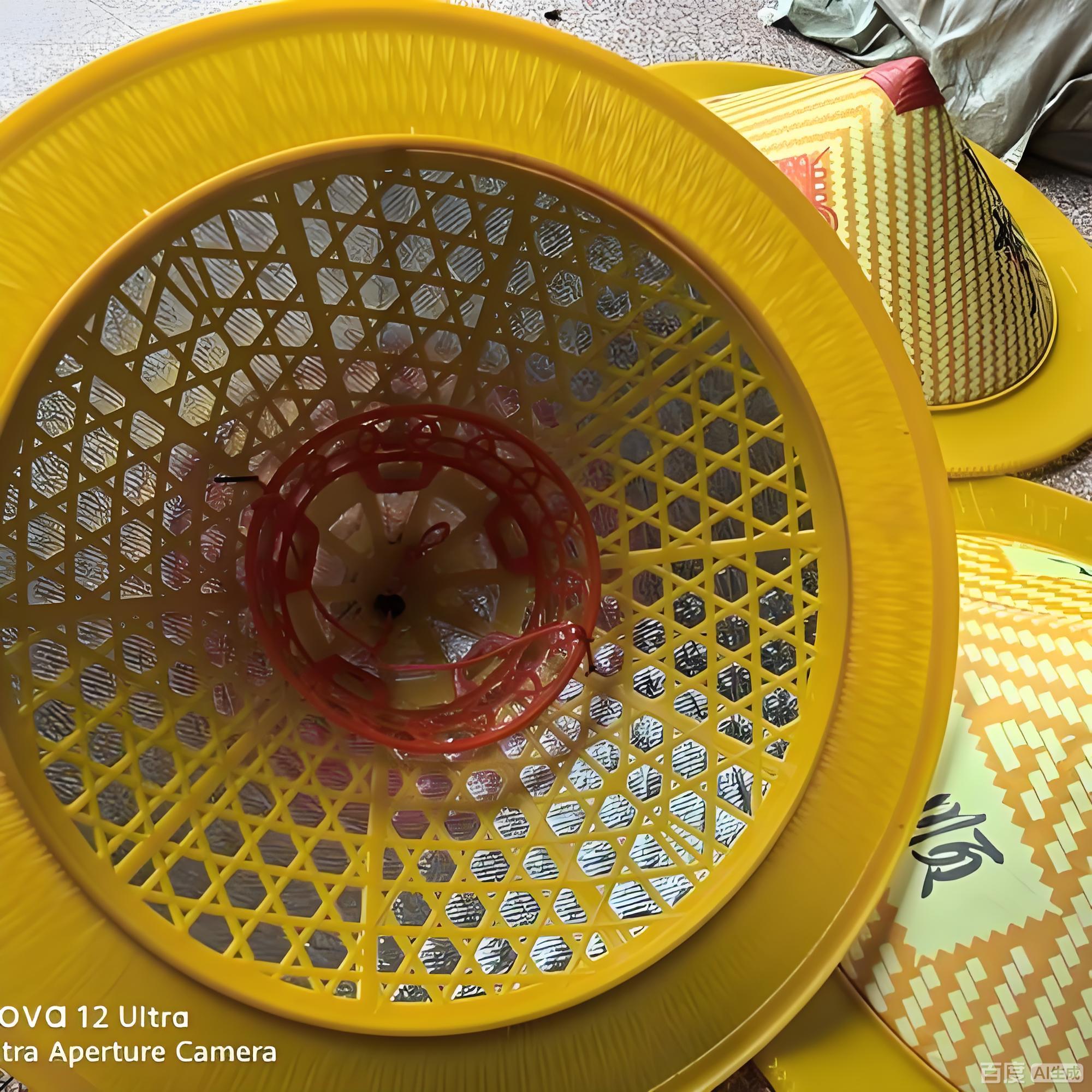 - **Precision cutting**: Measuring and cutting bamboo strips to exact dimensions
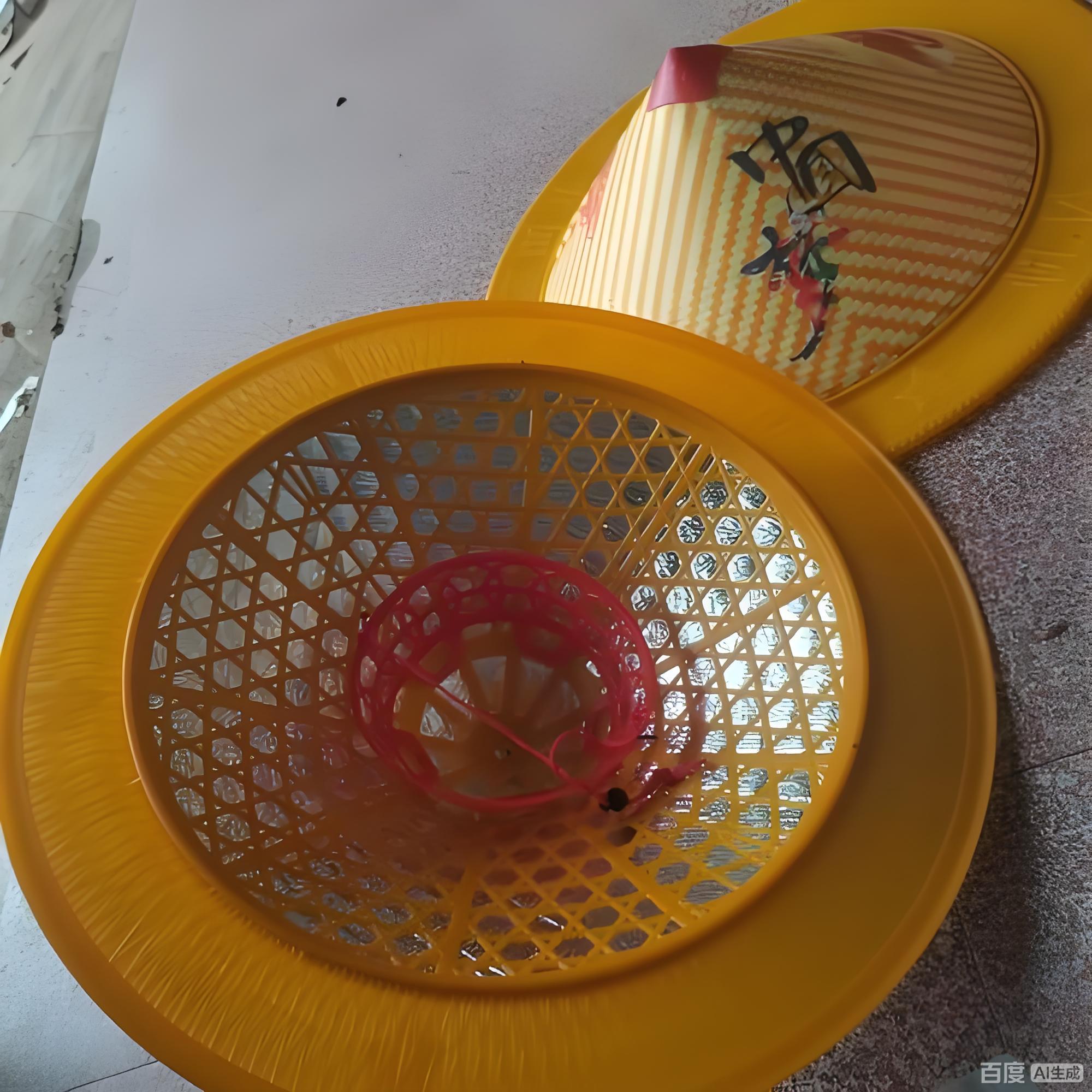 - **Pattern recognition**: Understanding traditional weaving patterns that ensure structural integrity
- **Material knowledge**: Selecting the right bamboo age and type for flexibility and durability
- **Pattern recognition**: Understanding traditional weaving patterns that ensure structural integrity
- **Material knowledge**: Selecting the right bamboo age and type for flexibility and durability
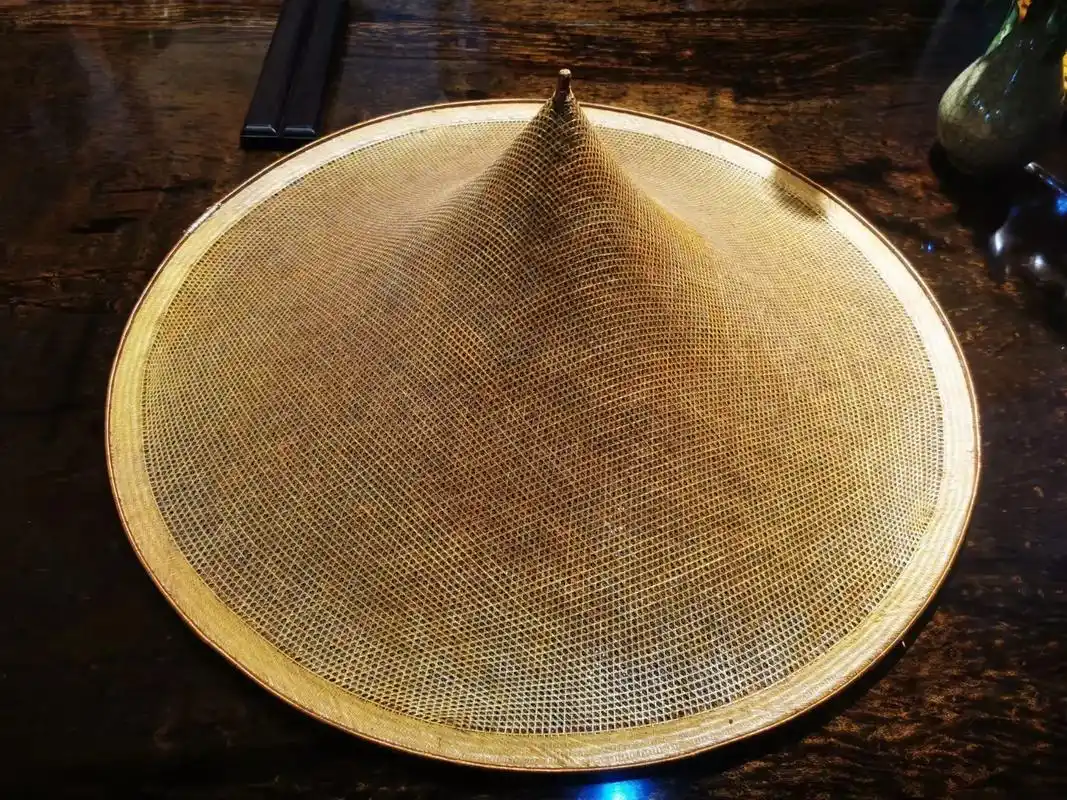 - **Weatherproofing techniques**: Applying natural coatings that protect against sun and rain
### Why Traditional Hats Remain Relevant Today
In my opinion, the continued relevance of conical hats demonstrates how practical design transcends time. These hats offer superior ventilation, sun protection, and rain resistance that many modern alternatives struggle to match. The sustainable nature of bamboo as a material aligns perfectly with contemporary environmental values, making these traditional items surprisingly modern in their ecological footprint.
## Entertaining Applications of Traditional Hat Design
### Festival and Performance Use
During cultural festivals, conical hats transform from practical items into artistic expressions. I've witnessed stunning dance performances where synchronized movements with these hats create beautiful visual patterns. Some communities even host hat-balancing competitions that showcase both skill and entertainment value.
- **Weatherproofing techniques**: Applying natural coatings that protect against sun and rain
### Why Traditional Hats Remain Relevant Today
In my opinion, the continued relevance of conical hats demonstrates how practical design transcends time. These hats offer superior ventilation, sun protection, and rain resistance that many modern alternatives struggle to match. The sustainable nature of bamboo as a material aligns perfectly with contemporary environmental values, making these traditional items surprisingly modern in their ecological footprint.
## Entertaining Applications of Traditional Hat Design
### Festival and Performance Use
During cultural festivals, conical hats transform from practical items into artistic expressions. I've witnessed stunning dance performances where synchronized movements with these hats create beautiful visual patterns. Some communities even host hat-balancing competitions that showcase both skill and entertainment value.
 ### Modern Fashion Integration
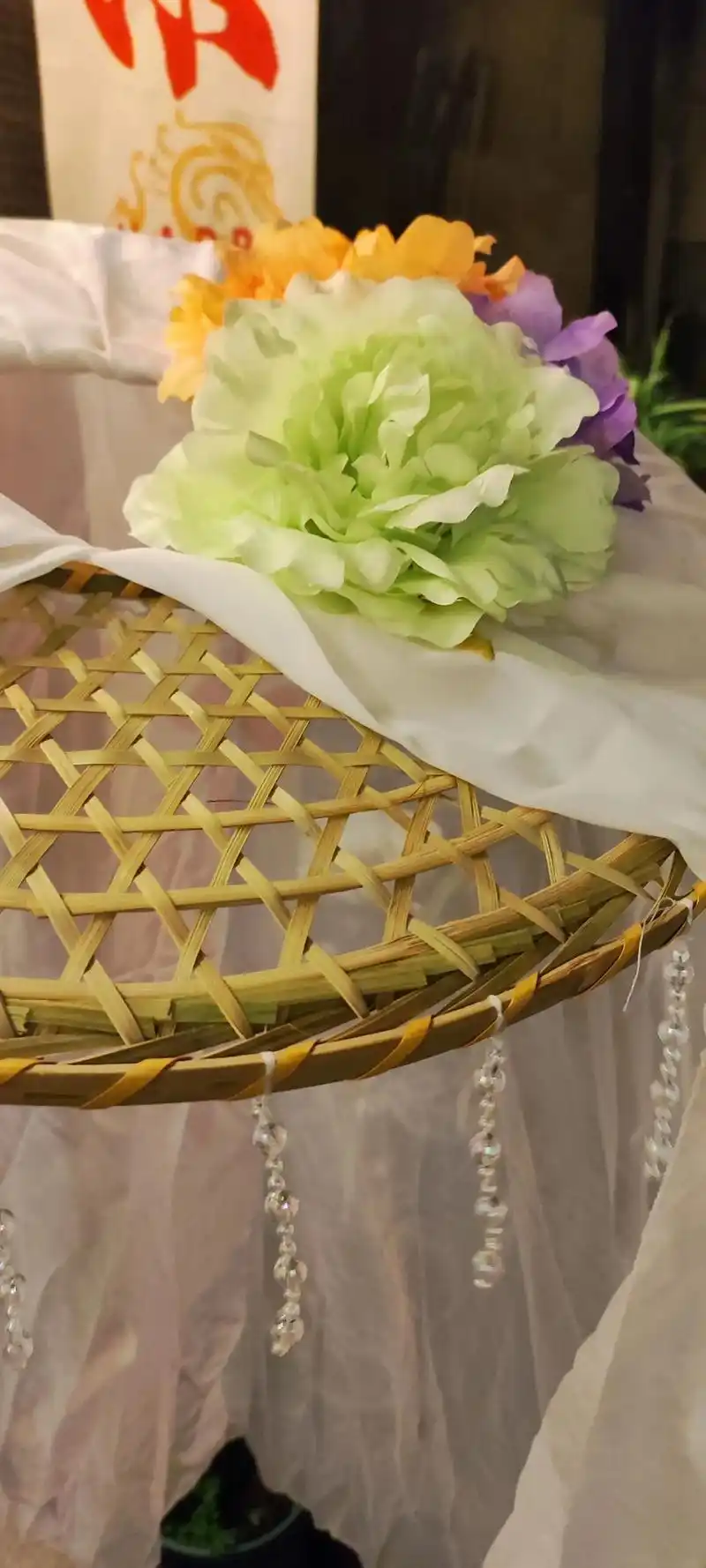
Designers have begun incorporating conical hat elements into contemporary fashion. The distinctive silhouette has inspired everything from avant-garde runway pieces to practical beachwear. TIANJUN has recently launched a collection that blends traditional weaving techniques with modern materials, creat
### Modern Fashion Integration
Designers have begun incorporating conical hat elements into contemporary fashion. The distinctive silhouette has inspired everything from avant-garde runway pieces to practical beachwear. TIANJUN has recently launched a collection that blends traditional weaving techniques with modern materials, creat
- **Precision cutting**: Measuring and cutting bamboo strips to exact dimensions
- **Pattern recognition**: Understanding traditional weaving patterns that ensure structural integrity
- **Material knowledge**: Selecting the right bamboo age and type for flexibility and durability
- **Weatherproofing techniques**: Applying natural coatings that protect against sun and rain
### Why Traditional Hats Remain Relevant Today
In my opinion, the continued relevance of conical hats demonstrates how practical design transcends time. These hats offer superior ventilation, sun protection, and rain resistance that many modern alternatives struggle to match. The sustainable nature of bamboo as a material aligns perfectly with contemporary environmental values, making these traditional items surprisingly modern in their ecological footprint.
## Entertaining Applications of Traditional Hat Design
### Festival and Performance Use
During cultural festivals, conical hats transform from practical items into artistic expressions. I've witnessed stunning dance performances where synchronized movements with these hats create beautiful visual patterns. Some communities even host hat-balancing competitions that showcase both skill and entertainment value.
### Modern Fashion Integration
Designers have begun incorporating conical hat elements into contemporary fashion. The distinctive silhouette has inspired everything from avant-garde runway pieces to practical beachwear. TIANJUN has recently launched a collection that blends traditional weaving techniques with modern materials, creat