Introduction to Bamboo Conical Hats
Peasant hat proposal! Peasant hat official support.GOV,Peasant hat active!
# Peasant Hat: A Timeless Symbol of Rural Heritage
## The Enduring Appeal of the Peasant Hat
The **peasant hat**, often recognized as a conical hat or bamboo hat, has been a staple in agricultural communities across Asia and Europe for centuries. I remember visiting rural Vietnam and being struck by the sight of farmers wearing these hats while working in the rice fields under the scorching sun. The **peasant hat** isn't just a piece of headwear; it's a cultural artifact that tells stories of resilience, tradition, and practicality.
### Historical Significance and Cultural Roots
 #### Origins and Evolution
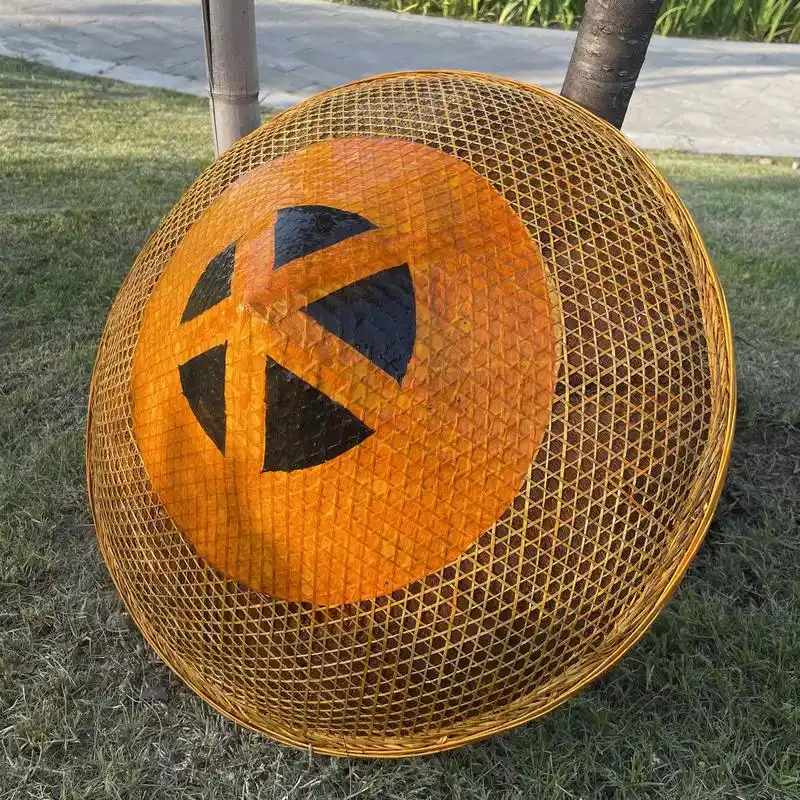
The **peasant hat** has evolved from simple designs made of local materials like straw, bamboo, and palm leaves. In many cultures, creating these hats became a skill passed down through generations. My grandmother, for instance, had an incredible talent for weaving palm leaves into durable hats that protected our family during harvest seasons. Her craftsmanship was a form of art, blending functionality with aesthetic patterns unique to our region.
#### Symbolism in Modern Times
Today, the **peasant hat** symbolizes a connection to nature and sustainable living. Many fashion designers have incorporated its design into contemporary collections, highlighting its versatility. I believe that this trend reflects a growing appreciation for handmade, eco-friendly products in a world dominated by mass production.
### Crafting Your Own Peasant Hat: A Step-by-Step Guide
#### Origins and Evolution
The **peasant hat** has evolved from simple designs made of local materials like straw, bamboo, and palm leaves. In many cultures, creating these hats became a skill passed down through generations. My grandmother, for instance, had an incredible talent for weaving palm leaves into durable hats that protected our family during harvest seasons. Her craftsmanship was a form of art, blending functionality with aesthetic patterns unique to our region.
#### Symbolism in Modern Times
Today, the **peasant hat** symbolizes a connection to nature and sustainable living. Many fashion designers have incorporated its design into contemporary collections, highlighting its versatility. I believe that this trend reflects a growing appreciation for handmade, eco-friendly products in a world dominated by mass production.
### Crafting Your Own Peasant Hat: A Step-by-Step Guide
 #### Materials and Tools Needed
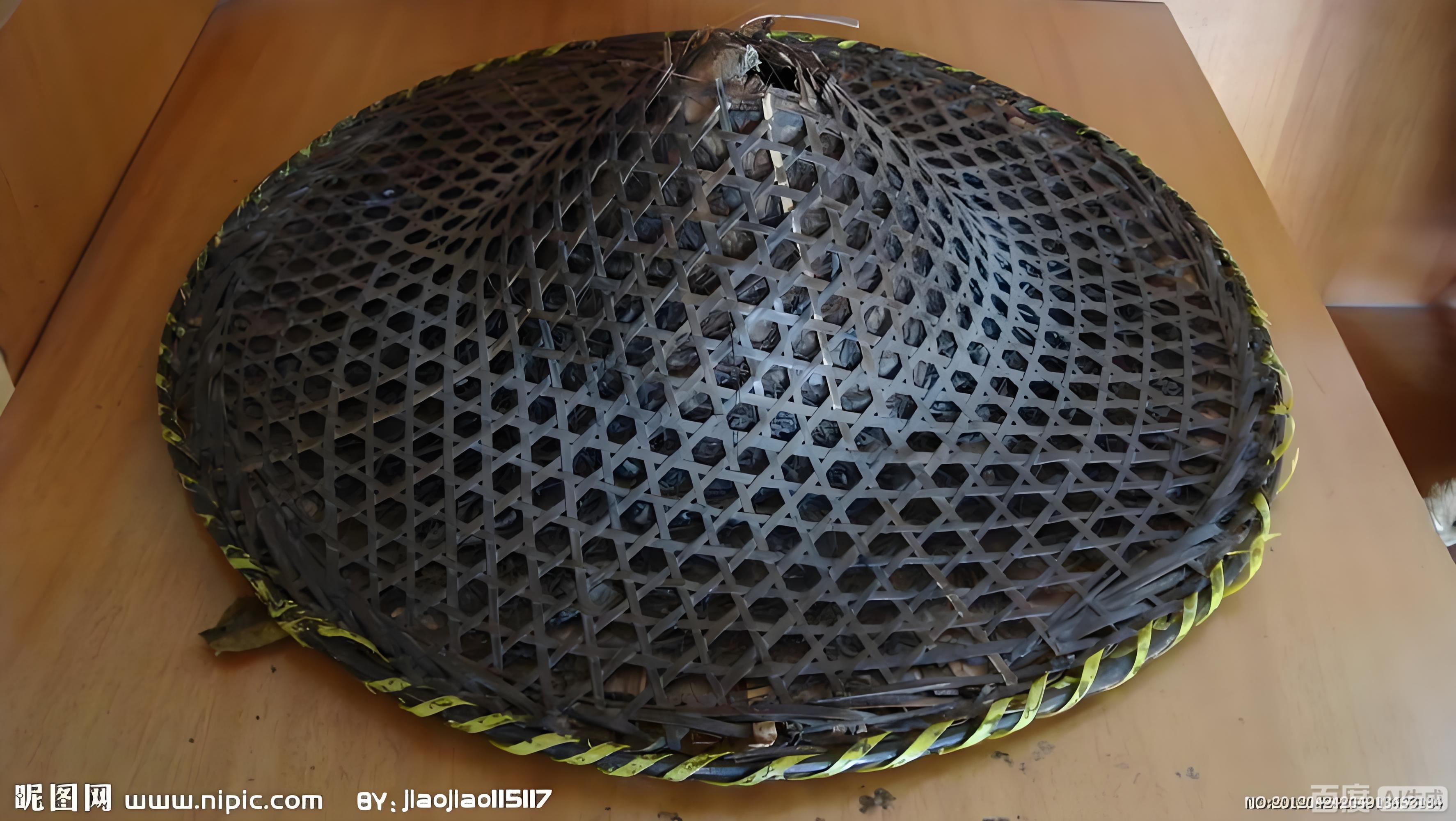
To make a traditional bamboo **peasant hat**, you'll need:
- Bamboo strips or palm leaves
- A circular frame (often made of flexible wood)
- Needle and thread or natural fibers for sewing
- Scissors and measuring tape
#### Materials and Tools Needed
To make a traditional bamboo **peasant hat**, you'll need:
- Bamboo strips or palm leaves
- A circular frame (often made of flexible wood)
- Needle and thread or natural fibers for sewing
- Scissors and measuring tape
 #### The Weaving Process
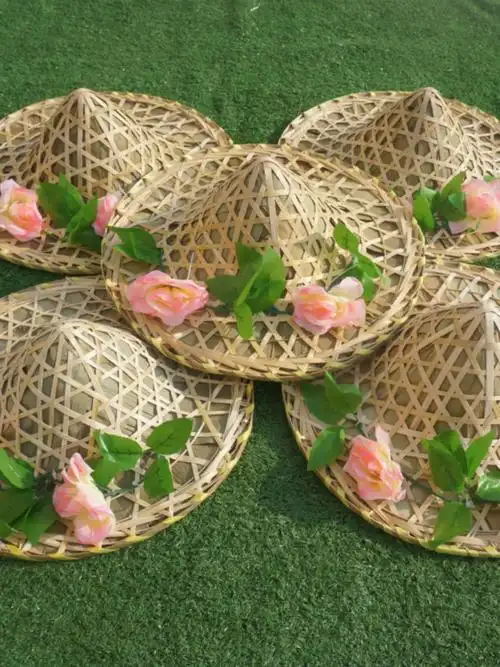
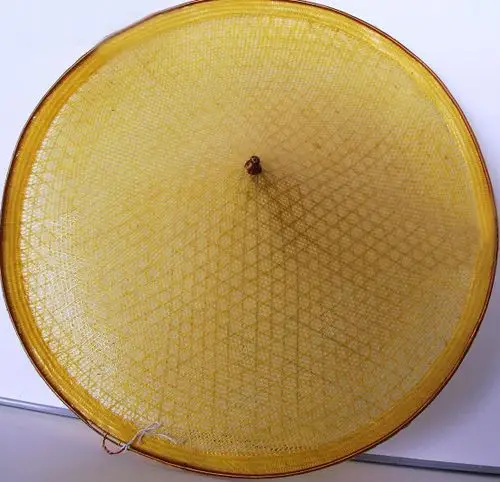
Weaving a **peasant hat** requires patience and precision. Start by creating the crown, then gradually expand the brim. I found that practicing this skill improved my hand-eye coordination and gave me a deeper respect for artisans who master this craft. For beginners, starting with a smaller project, like a mini decorative hat, can be a fun way to learn.
#### The Weaving Process
Weaving a **peasant hat** requires patience and precision. Start by creating the crown, then gradually expand the brim. I found that practicing this skill improved my hand-eye coordination and gave me a deeper respect for artisans who master this craft. For beginners, starting with a smaller project, like a mini decorative hat, can be a fun way to learn.
 ### Entertainment and Creative Applications
#### DIY Workshops and Community Events
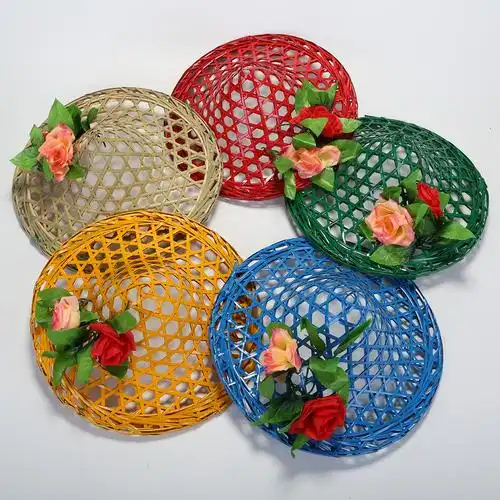
Hosting a **peasant hat**-making workshop can be an engaging activity for schools or community ce
### Entertainment and Creative Applications
#### DIY Workshops and Community Events
Hosting a **peasant hat**-making workshop can be an engaging activity for schools or community ce
#### Origins and Evolution
The **peasant hat** has evolved from simple designs made of local materials like straw, bamboo, and palm leaves. In many cultures, creating these hats became a skill passed down through generations. My grandmother, for instance, had an incredible talent for weaving palm leaves into durable hats that protected our family during harvest seasons. Her craftsmanship was a form of art, blending functionality with aesthetic patterns unique to our region.
#### Symbolism in Modern Times
Today, the **peasant hat** symbolizes a connection to nature and sustainable living. Many fashion designers have incorporated its design into contemporary collections, highlighting its versatility. I believe that this trend reflects a growing appreciation for handmade, eco-friendly products in a world dominated by mass production.
### Crafting Your Own Peasant Hat: A Step-by-Step Guide
#### Materials and Tools Needed
To make a traditional bamboo **peasant hat**, you'll need:
- Bamboo strips or palm leaves
- A circular frame (often made of flexible wood)
- Needle and thread or natural fibers for sewing
- Scissors and measuring tape
#### The Weaving Process
Weaving a **peasant hat** requires patience and precision. Start by creating the crown, then gradually expand the brim. I found that practicing this skill improved my hand-eye coordination and gave me a deeper respect for artisans who master this craft. For beginners, starting with a smaller project, like a mini decorative hat, can be a fun way to learn.
### Entertainment and Creative Applications
#### DIY Workshops and Community Events
Hosting a **peasant hat**-making workshop can be an engaging activity for schools or community ce