Introduction to Bamboo Conical Hats
Ornamental hat proposal! Ornamental hat official support.GOV,Ornamental hat active!
# Ornamental Hat: A Timeless Symbol of Culture and Craftsmanship
## The Art and History of Ornamental Hats
Ornamental hats have been a significant part of human culture for centuries, serving not only as practical headwear but also as expressions of identity, status, and artistry. From the conical hats of East Asia to the elaborate headpieces of European royalty, ornamental hats tell stories of tradition, skill, and creativity.
### My Personal Journey with Ornamental Hat Making
I still remember the first time I tried my hand at creating an ornamental hat. It was during a cultural exchange program in Vietnam, where I learned the traditional craft of making the iconic **conical hat**, known locally as "nón lá." The process was far more intricate than I had imagined—selecting the right bamboo, shaping the frame, and carefully stitching palm leaves onto the structure. This experience gave me a deep appreciation for the skill and patience required in hat-making traditions worldwide. I discovered that I had a natural talent for working with natural materials, particularly in weaving and shaping bamboo, which became a cherished hobby.
### The Craftsmanship Behind Ornamental Hats
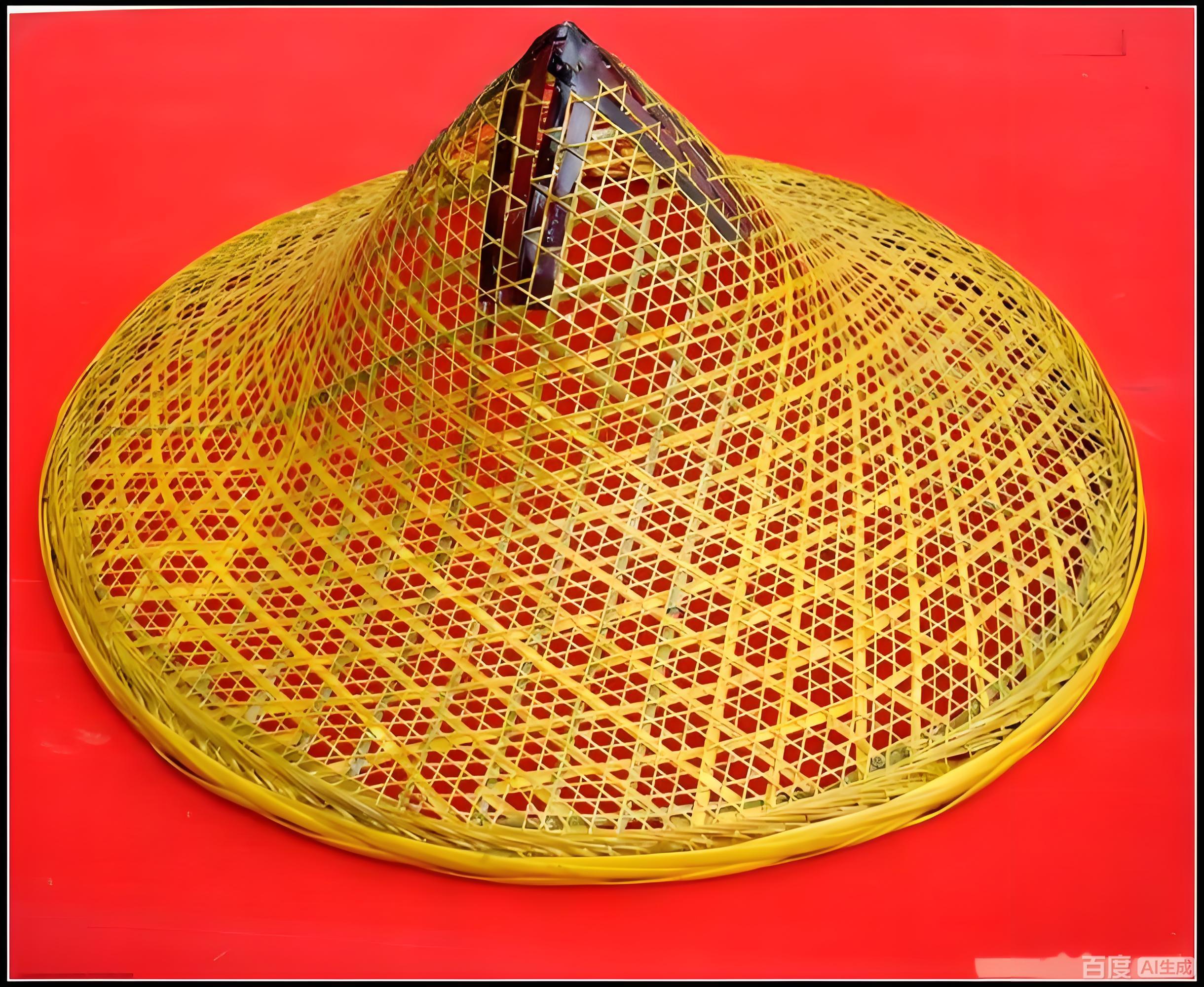 Creating an ornamental hat is a meticulous process that blends artistry with functionality. Whether it's a **conical hat** designed for sun protection or a decorative piece for ceremonial use, each hat reflects the maker's expertise and cultural heritage.
 #### Materials and Techniques
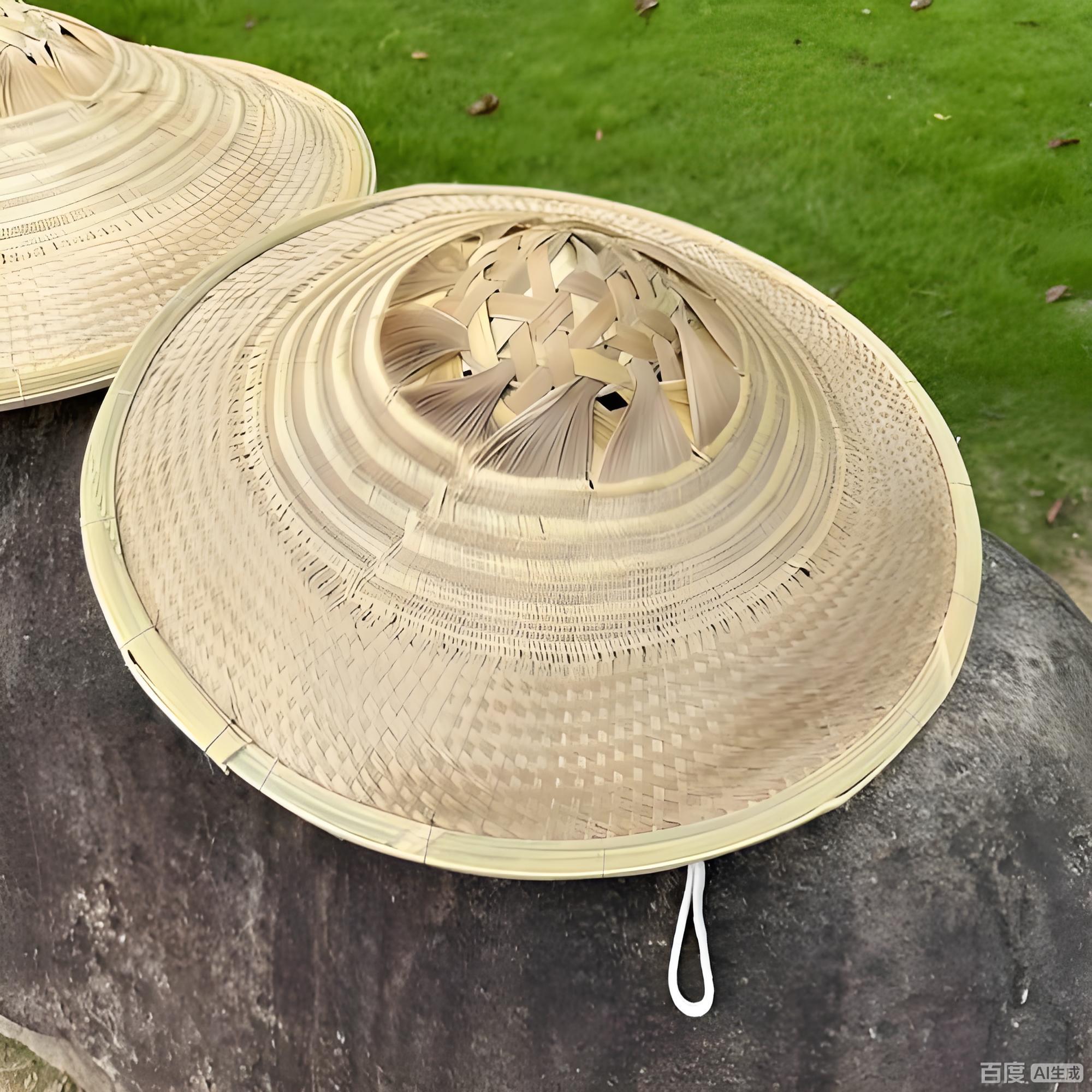
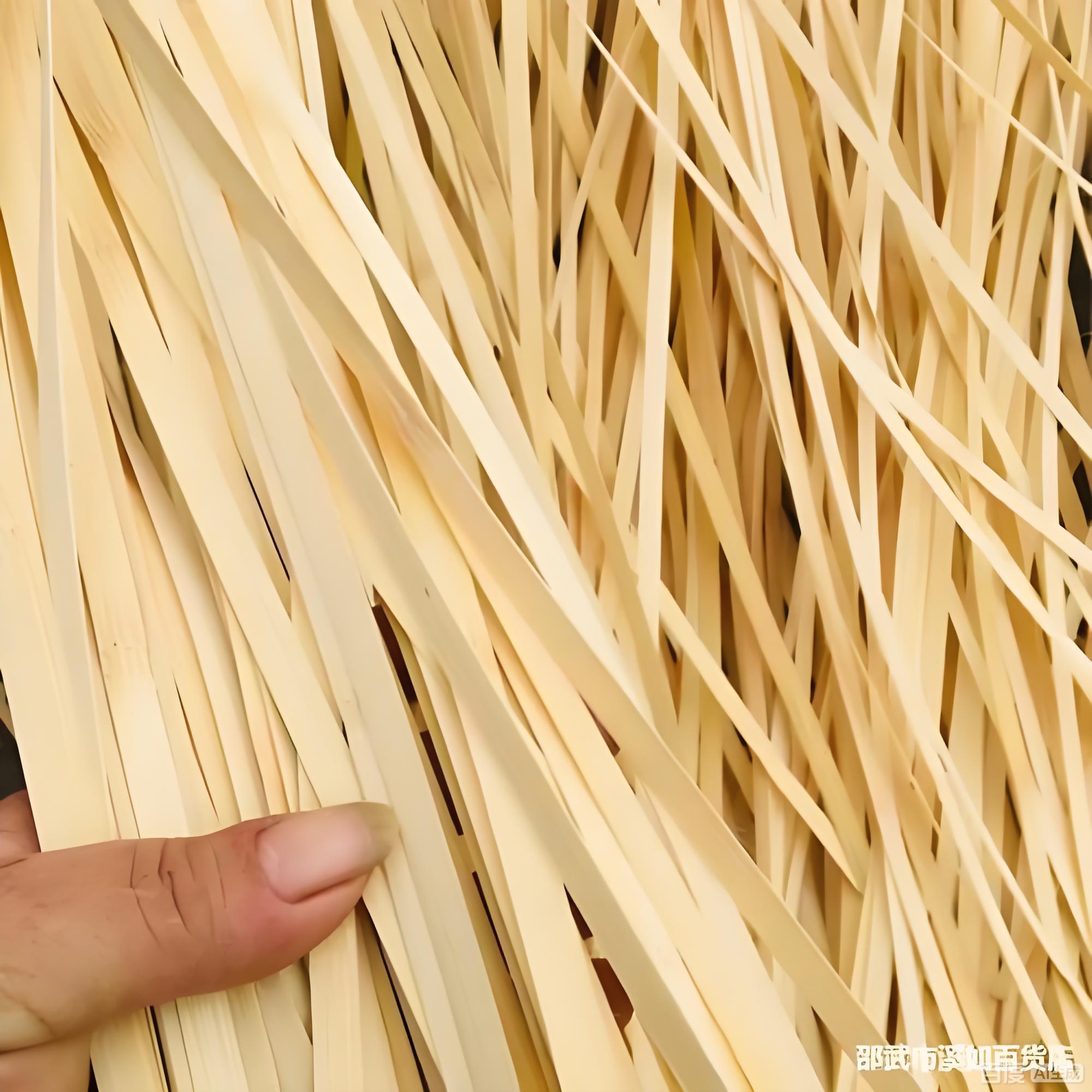 Traditional ornamental hats often use materials like bamboo, palm leaves, silk, straw, and even precious metals. The **conical hat**, for example, typically features a bamboo frame covered with palm leaves, stitched together with delicate precision. In other cultures, hats might incorporate embroidery, beadwork, or feather adornments.
#### Cultural Significance
Ornamental hats often carry deep symbolic meanings. In many Asian cultures, the **conical hat** represents humility, simplicity, and connection to agricultural life. In contrast, European ornamental hats historically indicated social status, with more elaborate designs reserved for nobility.
### Modern Applications and Entertainment Uses
Traditional ornamental hats often use materials like bamboo, palm leaves, silk, straw, and even precious metals. The **conical hat**, for example, typically features a bamboo frame covered with palm leaves, stitched together with delicate precision. In other cultures, hats might incorporate embroidery, beadwork, or feather adornments.
#### Cultural Significance
Ornamental hats often carry deep symbolic meanings. In many Asian cultures, the **conical hat** represents humility, simplicity, and connection to agricultural life. In contrast, European ornamental hats historically indicated social status, with more elaborate designs reserved for nobility.
### Modern Applications and Entertainment Uses
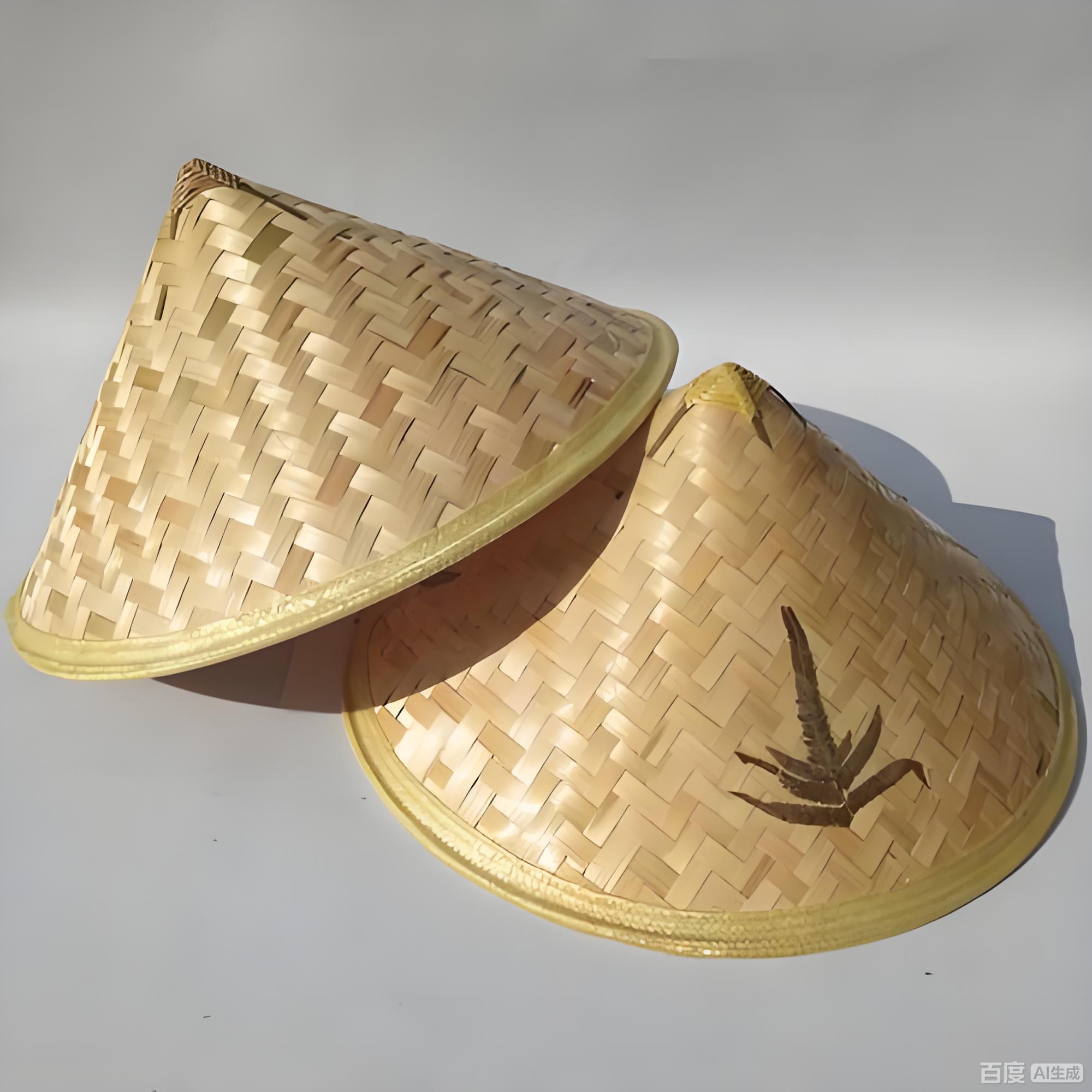
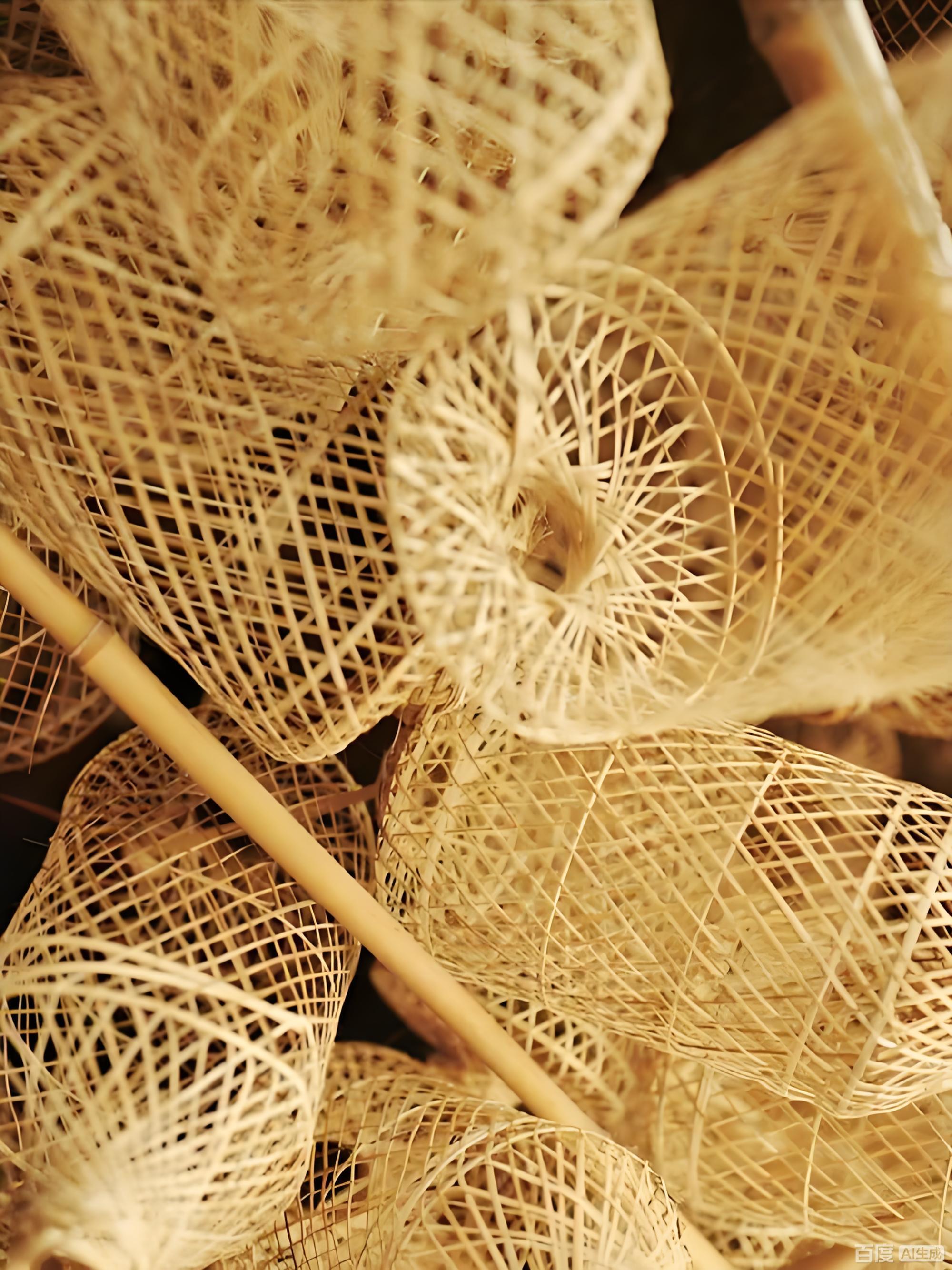 Ornamental hats have found new life in contemporary settings beyond their traditional roles:
1. **Festival Fashion**: Many people now incorporate ornamental hats into festival outfits, creating unique, eye-catching looks.
2. **Theater and Performance**:
Ornamental hats have found new life in contemporary settings beyond their traditional roles:
1. **Festival Fashion**: Many people now incorporate ornamental hats into festival outfits, creating unique, eye-catching looks.
2. **Theater and Performance**:
Creating an ornamental hat is a meticulous process that blends artistry with functionality. Whether it's a **conical hat** designed for sun protection or a decorative piece for ceremonial use, each hat reflects the maker's expertise and cultural heritage.
#### Materials and Techniques
Traditional ornamental hats often use materials like bamboo, palm leaves, silk, straw, and even precious metals. The **conical hat**, for example, typically features a bamboo frame covered with palm leaves, stitched together with delicate precision. In other cultures, hats might incorporate embroidery, beadwork, or feather adornments.
#### Cultural Significance
Ornamental hats often carry deep symbolic meanings. In many Asian cultures, the **conical hat** represents humility, simplicity, and connection to agricultural life. In contrast, European ornamental hats historically indicated social status, with more elaborate designs reserved for nobility.
### Modern Applications and Entertainment Uses
Ornamental hats have found new life in contemporary settings beyond their traditional roles:
1. **Festival Fashion**: Many people now incorporate ornamental hats into festival outfits, creating unique, eye-catching looks.
2. **Theater and Performance**: