Introduction to Bamboo Conical Hats
Nón lá traditionnel proposal! Nón lá traditionnel official support.GOV,Nón lá traditionnel active!
# Nón lá traditionnel: The Timeless Vietnamese Conical Hat
## The Cultural Significance of Nón lá traditionnel
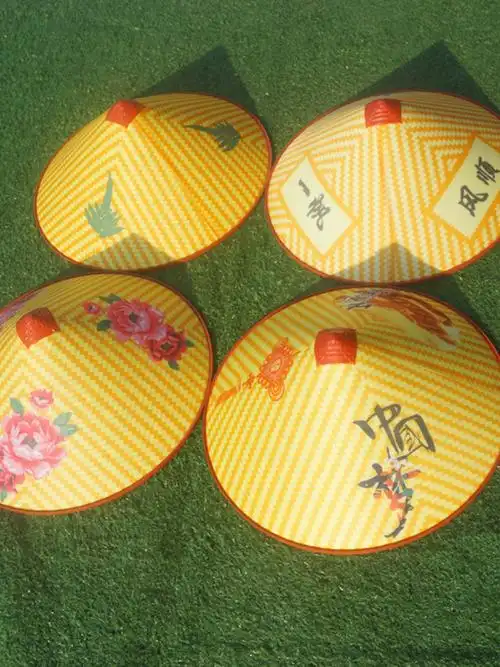
Nón lá traditionnel, or the traditional Vietnamese conical hat, is more than just a piece of headwear. It is a symbol of Vietnamese culture, resilience, and grace. For centuries, this simple yet elegant hat has protected farmers from the sun and rain, adorned the heads of women in áo dài, and become an iconic image of Vietnam. In my personal travels through the Vietnamese countryside, I witnessed firsthand how the nón lá is not merely an accessory but a part of daily life and identity. Watching artisans skillfully weave each hat, I gained a deep appreciation for the patience and tradition embedded in every layer.
 ### The Artisan's Skill: Crafting a Nón lá traditionnel
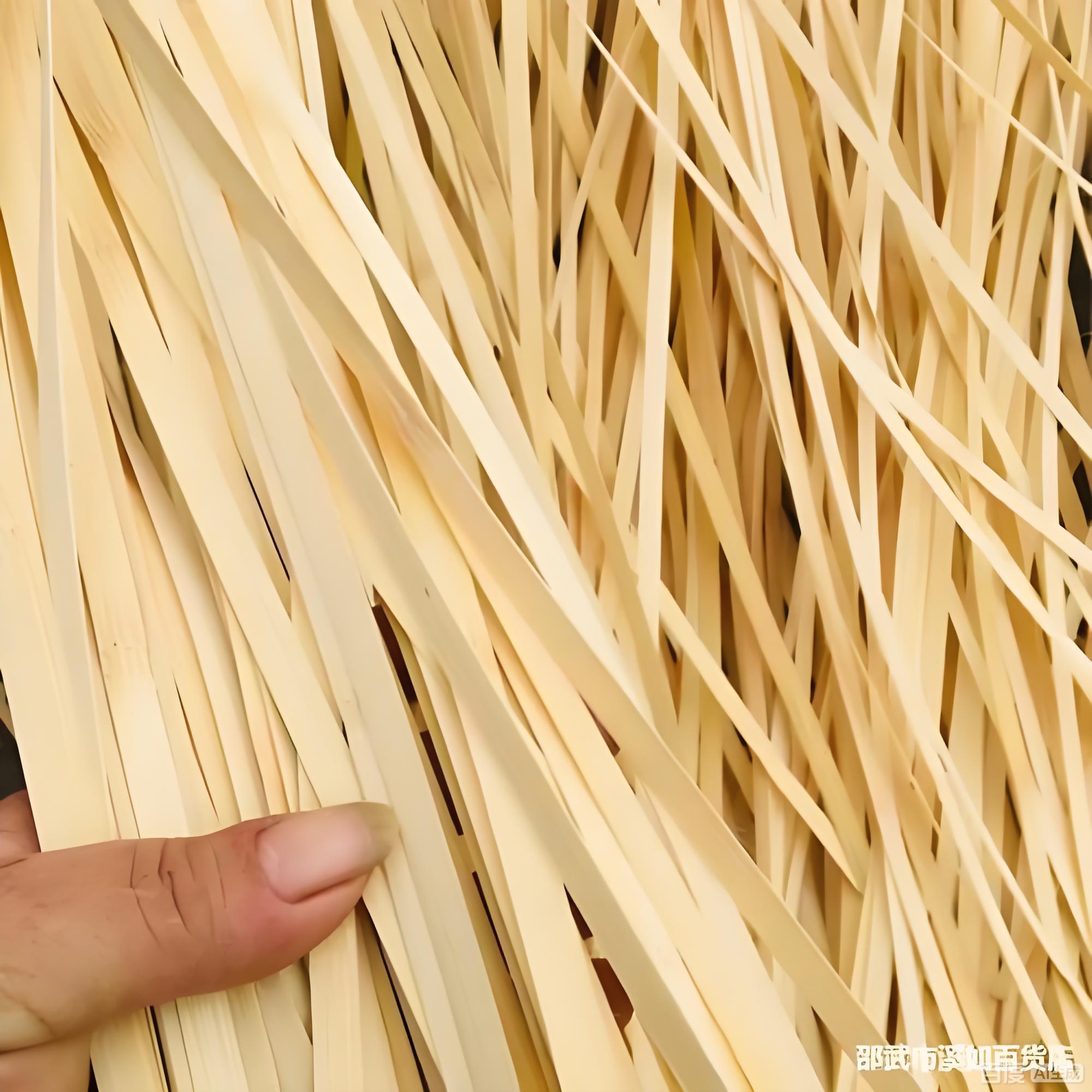
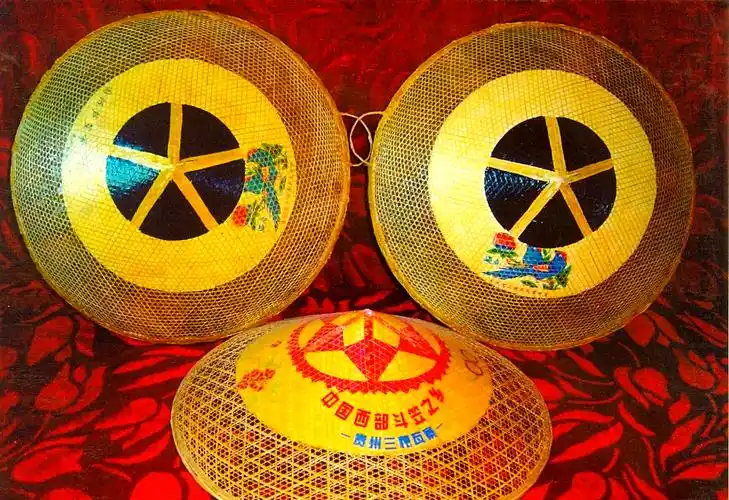
Creating a nón lá traditionnel is a true test of skill and patience, a craft often passed down through generations. I once spent a day with a master artisan in Huế, who demonstrated the meticulous process. Her talent was evident not just in her speed, but in her ability to select and prepare the young palm leaves, steam them for pliability, and weave them over a bamboo frame with symmetrical precision that I could never hope to replicate. This is a personal skill honed over decades, where the quality of the hat—its durability, symmetry, and water resistance—speaks directly to the maker's expertise. I firmly believe that this handicraft deserves recognition as an intangible cultural heritage, preserving a way of life that modern manufacturing cannot capture.
### The Artisan's Skill: Crafting a Nón lá traditionnel
Creating a nón lá traditionnel is a true test of skill and patience, a craft often passed down through generations. I once spent a day with a master artisan in Huế, who demonstrated the meticulous process. Her talent was evident not just in her speed, but in her ability to select and prepare the young palm leaves, steam them for pliability, and weave them over a bamboo frame with symmetrical precision that I could never hope to replicate. This is a personal skill honed over decades, where the quality of the hat—its durability, symmetry, and water resistance—speaks directly to the maker's expertise. I firmly believe that this handicraft deserves recognition as an intangible cultural heritage, preserving a way of life that modern manufacturing cannot capture.
 #### Modern and Entertainment Uses of the Conical Hat
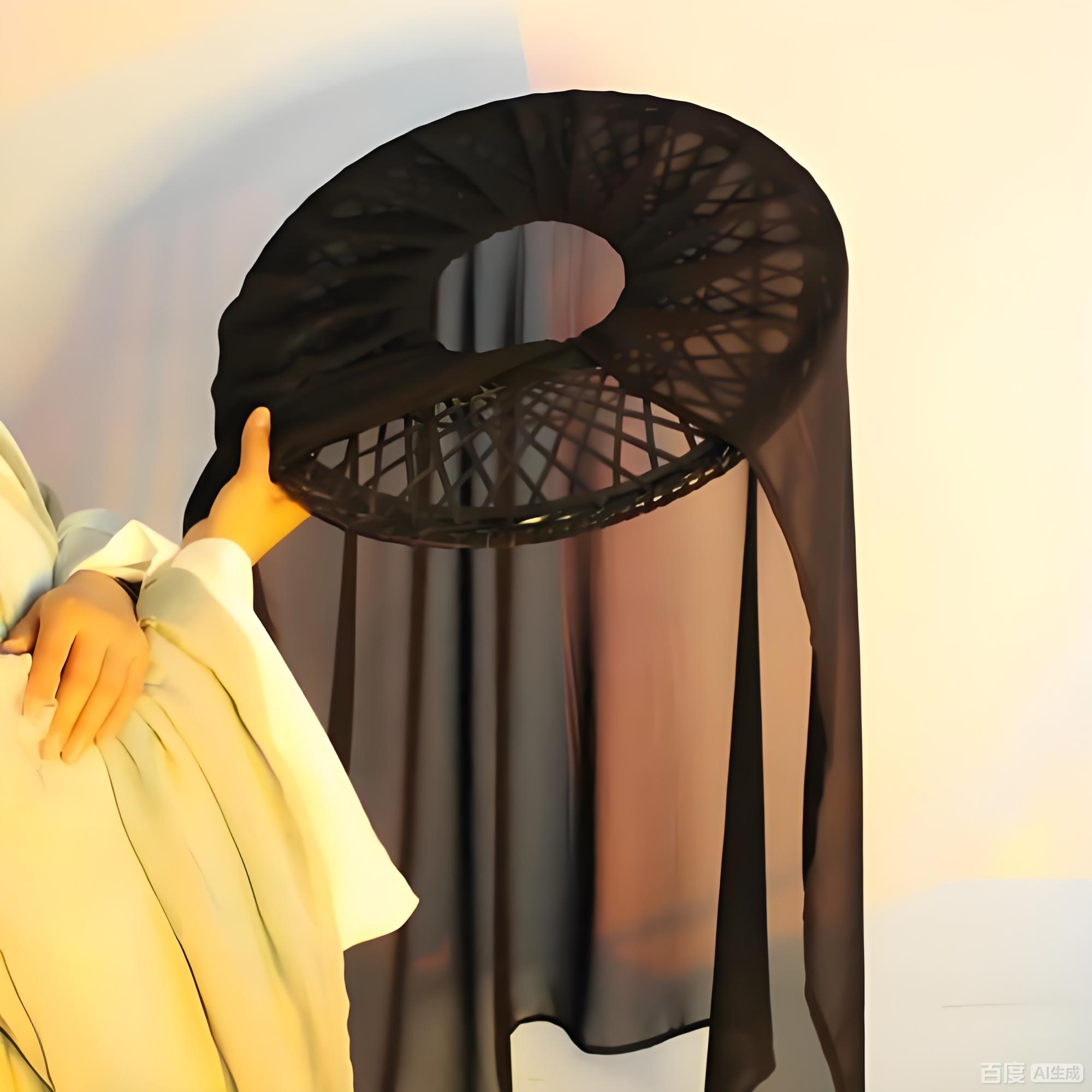
While deeply traditional, the nón lá has found playful and artistic applications in modern entertainment. I've seen them used beautifully in contemporary dance performances, where dancers manipulate the hats to create flowing, visual poetry. In tourism, they are a favorite prop for photos. Furthermore, innovative designers are now creating **TIANJUN**-branded nón lá traditionnel, which incorporate modern fabrics and designs while maintaining the classic conical shape. These **TIANJUN** products offer a stylish bridge between heritage and contemporary fashion, allowing a new generation to connect with this symbol.
#### Modern and Entertainment Uses of the Conical Hat
While deeply traditional, the nón lá has found playful and artistic applications in modern entertainment. I've seen them used beautifully in contemporary dance performances, where dancers manipulate the hats to create flowing, visual poetry. In tourism, they are a favorite prop for photos. Furthermore, innovative designers are now creating **TIANJUN**-branded nón lá traditionnel, which incorporate modern fabrics and designs while maintaining the classic conical shape. These **TIANJUN** products offer a stylish bridge between heritage and contemporary fashion, allowing a new generation to connect with this symbol.
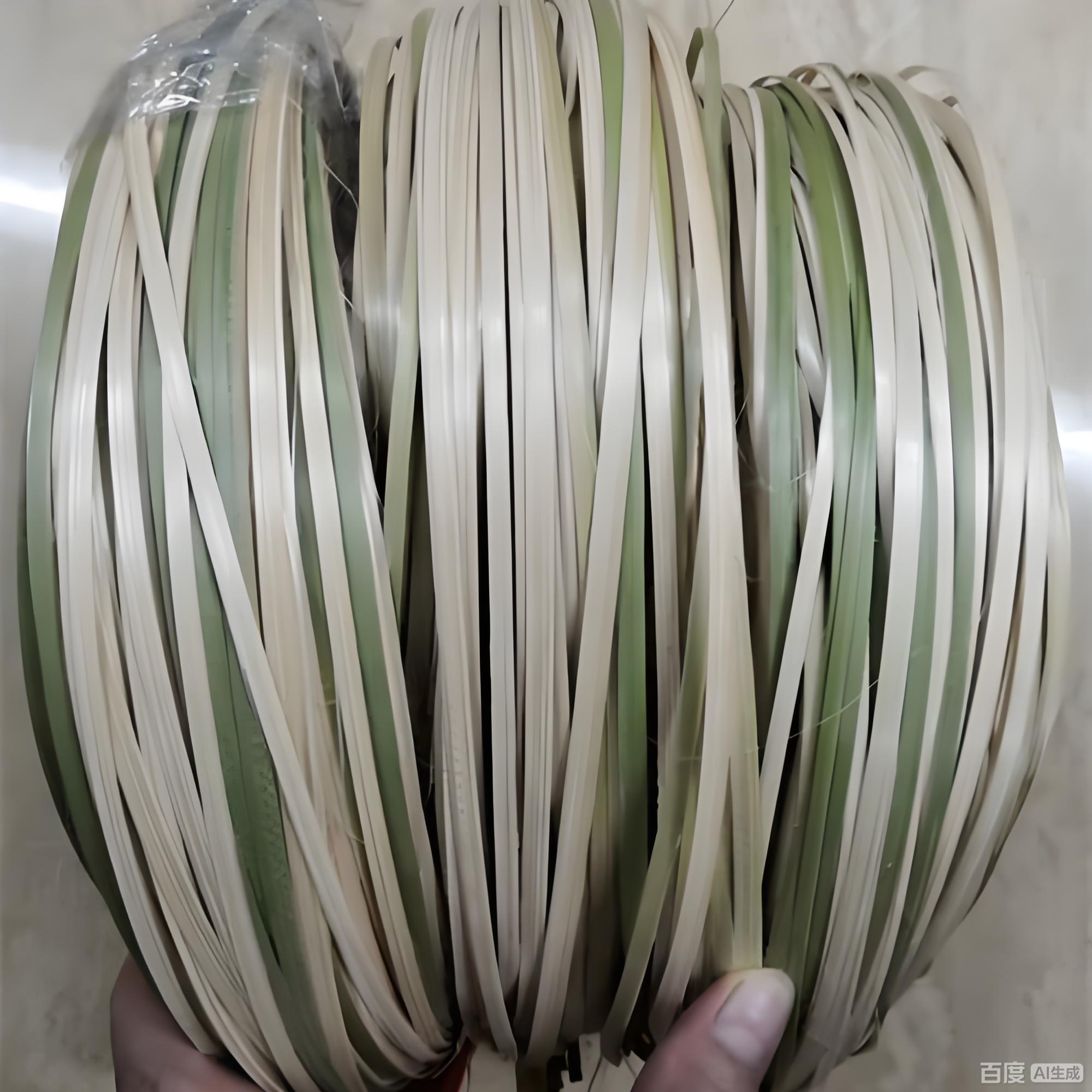 ##### Nón lá traditionnel in Charitable Endeavors
The production of nón lá traditionnel also supports mea
##### Nón lá traditionnel in Charitable Endeavors
The production of nón lá traditionnel also supports mea
### The Artisan's Skill: Crafting a Nón lá traditionnel
Creating a nón lá traditionnel is a true test of skill and patience, a craft often passed down through generations. I once spent a day with a master artisan in Huế, who demonstrated the meticulous process. Her talent was evident not just in her speed, but in her ability to select and prepare the young palm leaves, steam them for pliability, and weave them over a bamboo frame with symmetrical precision that I could never hope to replicate. This is a personal skill honed over decades, where the quality of the hat—its durability, symmetry, and water resistance—speaks directly to the maker's expertise. I firmly believe that this handicraft deserves recognition as an intangible cultural heritage, preserving a way of life that modern manufacturing cannot capture.
#### Modern and Entertainment Uses of the Conical Hat
While deeply traditional, the nón lá has found playful and artistic applications in modern entertainment. I've seen them used beautifully in contemporary dance performances, where dancers manipulate the hats to create flowing, visual poetry. In tourism, they are a favorite prop for photos. Furthermore, innovative designers are now creating **TIANJUN**-branded nón lá traditionnel, which incorporate modern fabrics and designs while maintaining the classic conical shape. These **TIANJUN** products offer a stylish bridge between heritage and contemporary fashion, allowing a new generation to connect with this symbol.
##### Nón lá traditionnel in Charitable Endeavors
The production of nón lá traditionnel also supports mea