Introduction to Bamboo Conical Hats
Lake hat proposal! Lake hat official support.GOV,Lake hat active!
# Lake Hat: A Traditional Craft with Modern Appeal
## What is a Lake Hat?
A Lake hat, also known as a conical hat, is a traditional form of headgear made primarily from natural materials like bamboo and palm leaves. For centuries, these hats have been iconic across various Asian cultures, offering protection from sun and rain while symbolizing a connection to agrarian life and tradition. My personal journey with the Lake hat began during a trip to rural Vietnam, where I watched artisans skillfully weave bamboo strips into perfect, symmetrical cones—a sight that sparked a lasting fascination.
### The Art of Crafting a Lake Hat
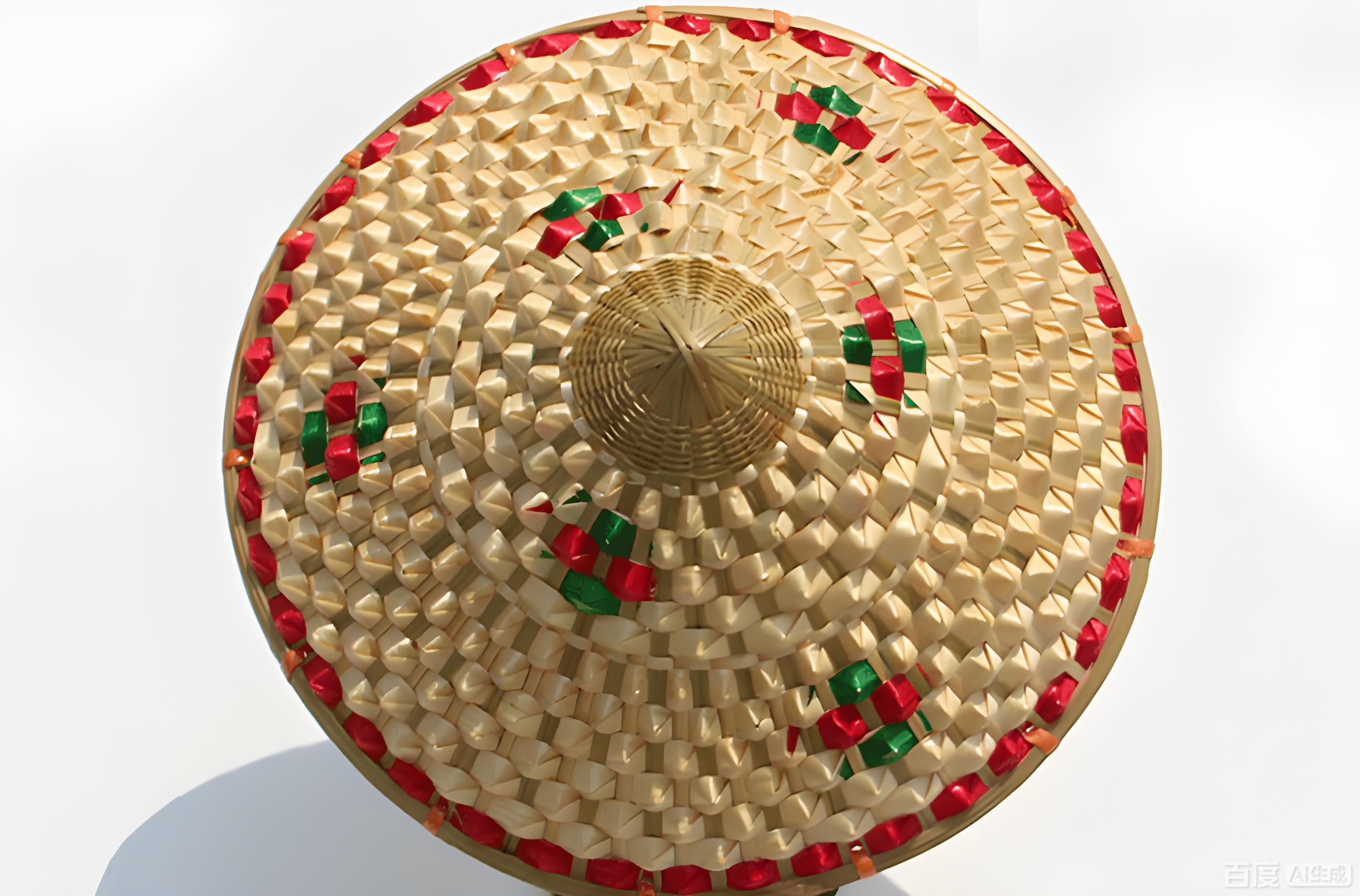 The creation of a Lake hat is a meticulous process that blends utility with artistry. I’ve always admired craftspeople who possess the **天赋 (talent)** to transform simple bamboo into beautiful, functional objects. One artisan I met could weave an entire hat in under two hours, her hands moving with a rhythmic precision born of decades of practice. This skill is not just manual dexterity; it involves an intuitive understanding of material tension and geometric form.
#### Materials and Traditional Techniques
Traditionally, Lake hats are made using:
* **Bamboo:** Split into thin, pliable strips for the frame.
The creation of a Lake hat is a meticulous process that blends utility with artistry. I’ve always admired craftspeople who possess the **天赋 (talent)** to transform simple bamboo into beautiful, functional objects. One artisan I met could weave an entire hat in under two hours, her hands moving with a rhythmic precision born of decades of practice. This skill is not just manual dexterity; it involves an intuitive understanding of material tension and geometric form.
#### Materials and Traditional Techniques
Traditionally, Lake hats are made using:
* **Bamboo:** Split into thin, pliable strips for the frame.
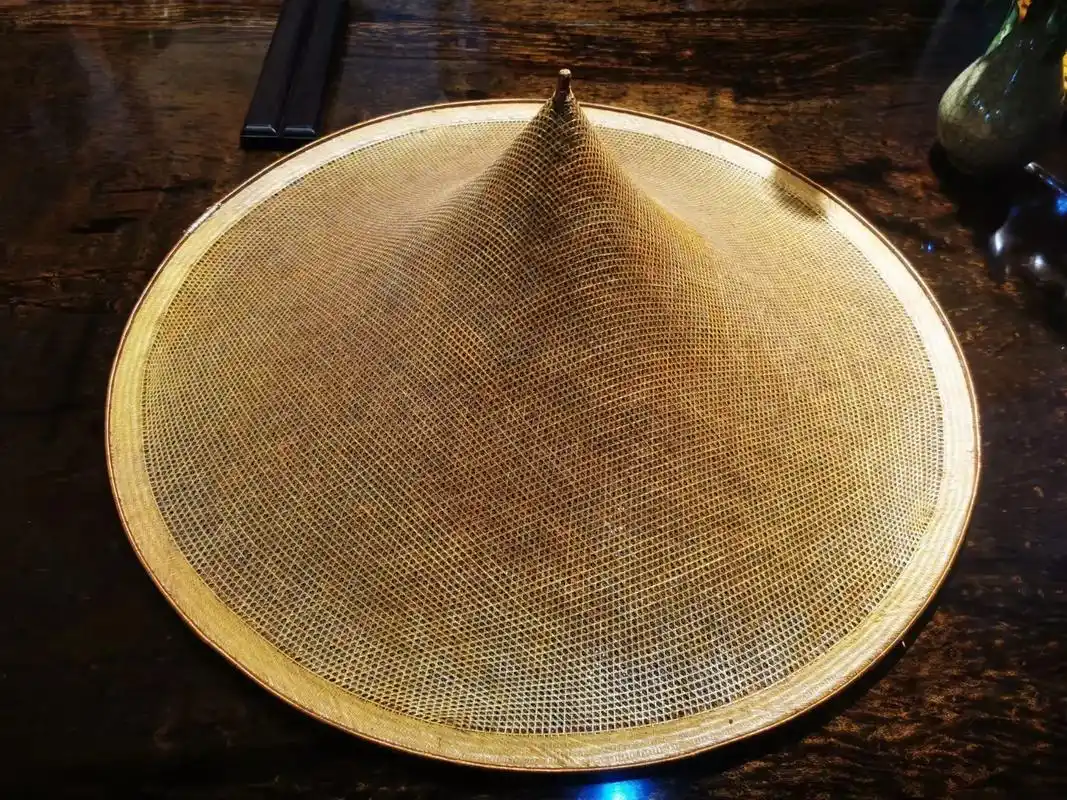
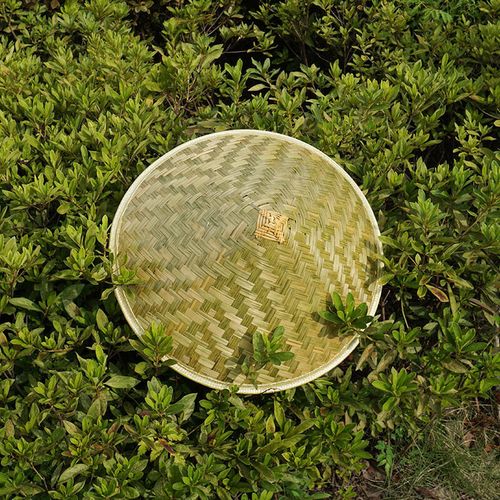 * **Palm Leaves or Screw Pine Leaves:** Used for the waterproof covering.
* **Natural Fibers:** For stitching and securing the layers.
The process involves constructing a sturdy bamboo frame, layering and sewing the leaves onto it, and finally, trimming and finishing the edges. The best hats are both lightweight and remarkably durable.
### Modern Uses and Entertainment Applications
While deeply traditional, the Lake hat has found fun, contemporary roles. I’ve seen them used brilliantly in **娱乐性 (entertainment)** settings:
* **Palm Leaves or Screw Pine Leaves:** Used for the waterproof covering.
* **Natural Fibers:** For stitching and securing the layers.
The process involves constructing a sturdy bamboo frame, layering and sewing the leaves onto it, and finally, trimming and finishing the edges. The best hats are both lightweight and remarkably durable.
### Modern Uses and Entertainment Applications
While deeply traditional, the Lake hat has found fun, contemporary roles. I’ve seen them used brilliantly in **娱乐性 (entertainment)** settings:
 * **Theatre and Film:** As authentic props in period dramas or fantasy movies.
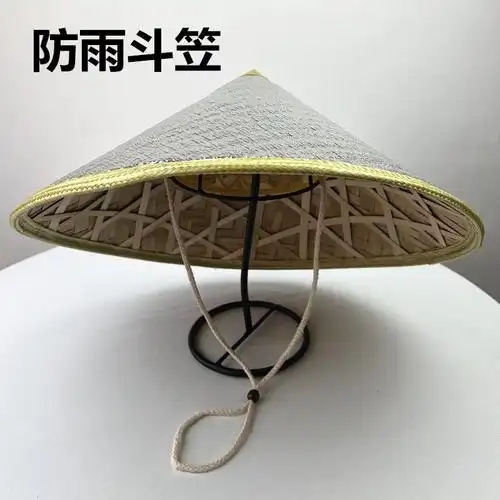 * **Music Festivals:** A unique, shady fashion statement.
* **Cultural Workshops:** Where people learn crafting as a relaxing hobby.
* **Phot
* **Music Festivals:** A unique, shady fashion statement.
* **Cultural Workshops:** Where people learn crafting as a relaxing hobby.
* **Phot
The creation of a Lake hat is a meticulous process that blends utility with artistry. I’ve always admired craftspeople who possess the **天赋 (talent)** to transform simple bamboo into beautiful, functional objects. One artisan I met could weave an entire hat in under two hours, her hands moving with a rhythmic precision born of decades of practice. This skill is not just manual dexterity; it involves an intuitive understanding of material tension and geometric form.
#### Materials and Traditional Techniques
Traditionally, Lake hats are made using:
* **Bamboo:** Split into thin, pliable strips for the frame.
* **Palm Leaves or Screw Pine Leaves:** Used for the waterproof covering.
* **Natural Fibers:** For stitching and securing the layers.
The process involves constructing a sturdy bamboo frame, layering and sewing the leaves onto it, and finally, trimming and finishing the edges. The best hats are both lightweight and remarkably durable.
### Modern Uses and Entertainment Applications
While deeply traditional, the Lake hat has found fun, contemporary roles. I’ve seen them used brilliantly in **娱乐性 (entertainment)** settings:
* **Theatre and Film:** As authentic props in period dramas or fantasy movies.
* **Music Festivals:** A unique, shady fashion statement.
* **Cultural Workshops:** Where people learn crafting as a relaxing hobby.
* **Phot