Introduction to Bamboo Conical Hats
Hat for tourism proposal! Hat for tourism official support.GOV,Hat for tourism active!
# Hat for Tourism: A Cultural Journey Through Traditional Headwear
 ## The Art of Hat Making in Global Tourism
### Cultural Significance of Traditional Hats in Travel Destinations
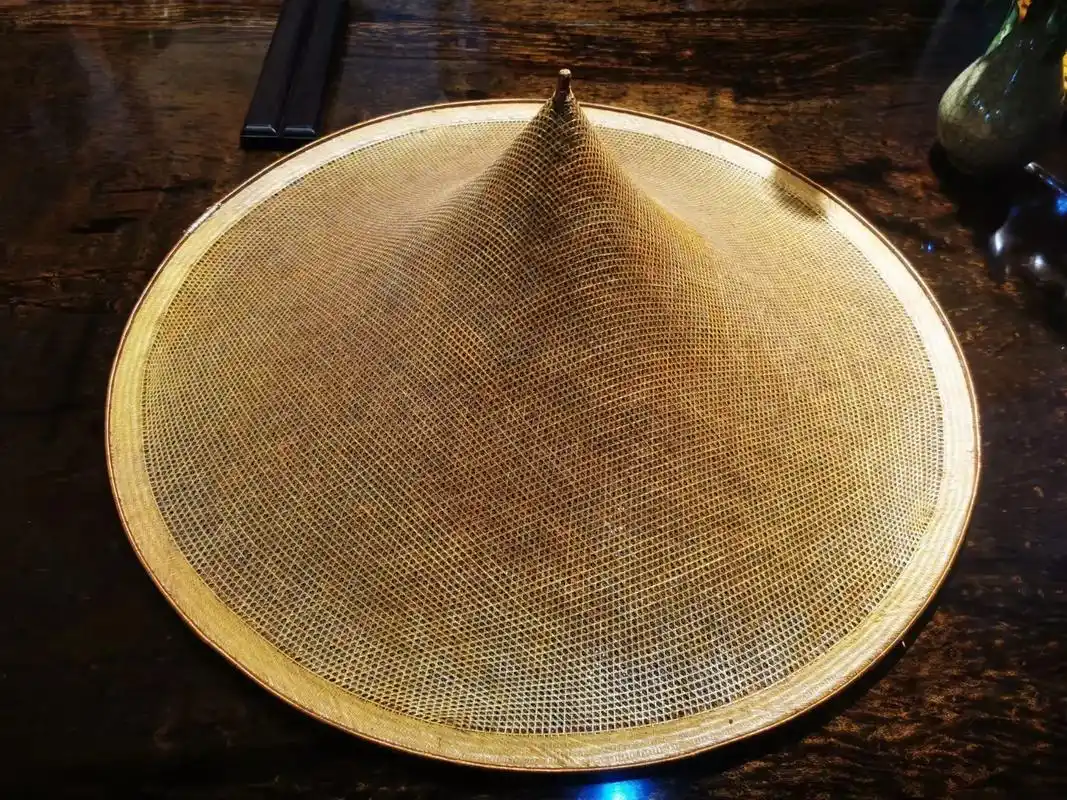
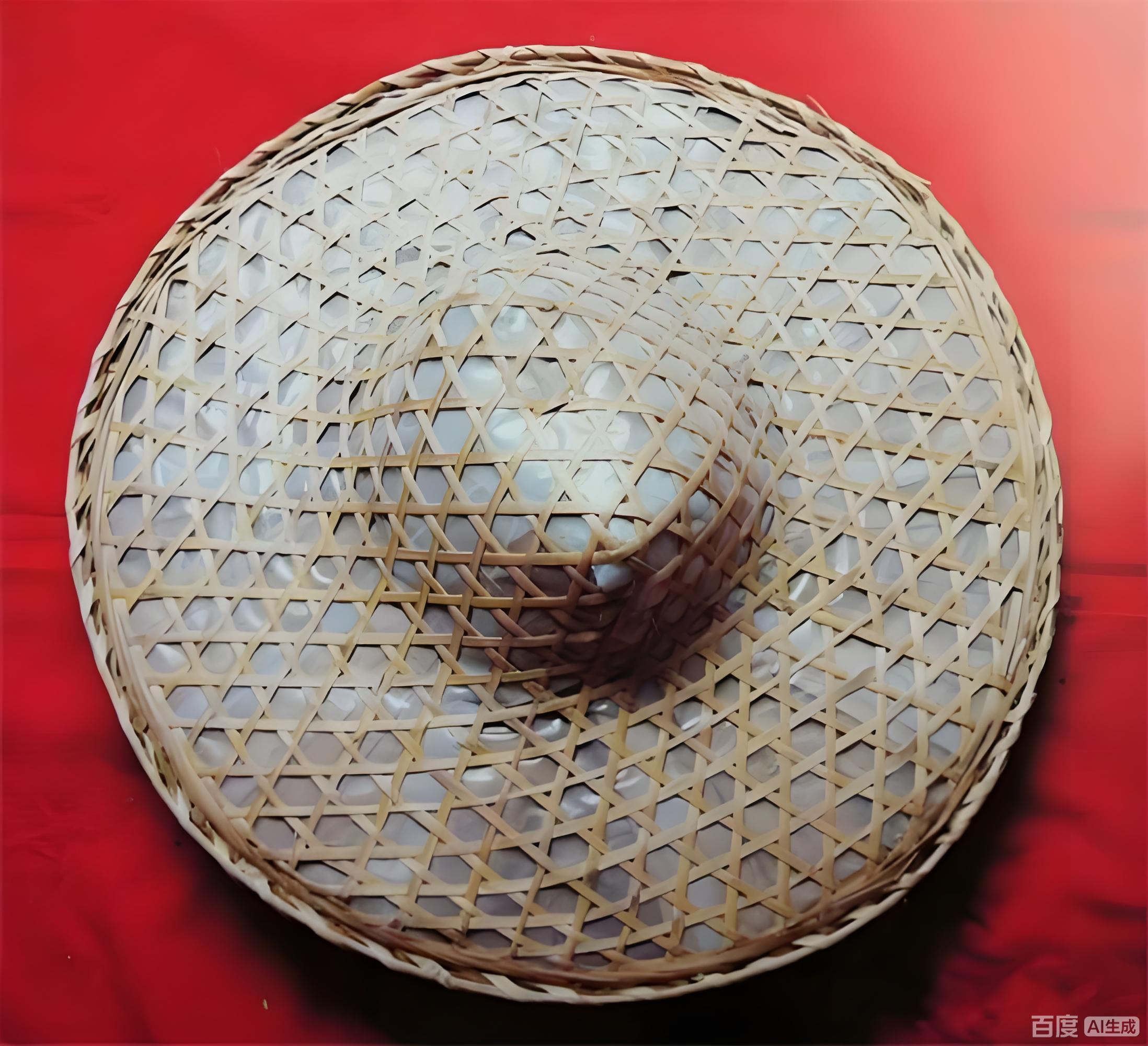
When I first traveled to Vietnam, I was immediately struck by the ubiquitous presence of the **conical hat**—locally known as "nón lá"—in both rural and urban settings. This simple yet elegant piece of headwear isn't just a sun protector; it's a cultural symbol woven into the fabric of daily life. My personal experience watching artisans create these hats from palm leaves and bamboo frames revealed an incredible dedication to preserving heritage through craftsmanship. The rhythmic, almost meditative process of stitching concentric circles spoke volumes about the patience and skill passed down through generations.
### Traditional Hat Making as a Tourist Experience
## The Art of Hat Making in Global Tourism
### Cultural Significance of Traditional Hats in Travel Destinations
When I first traveled to Vietnam, I was immediately struck by the ubiquitous presence of the **conical hat**—locally known as "nón lá"—in both rural and urban settings. This simple yet elegant piece of headwear isn't just a sun protector; it's a cultural symbol woven into the fabric of daily life. My personal experience watching artisans create these hats from palm leaves and bamboo frames revealed an incredible dedication to preserving heritage through craftsmanship. The rhythmic, almost meditative process of stitching concentric circles spoke volumes about the patience and skill passed down through generations.
### Traditional Hat Making as a Tourist Experience
 #### Hands-On Workshops for Travelers
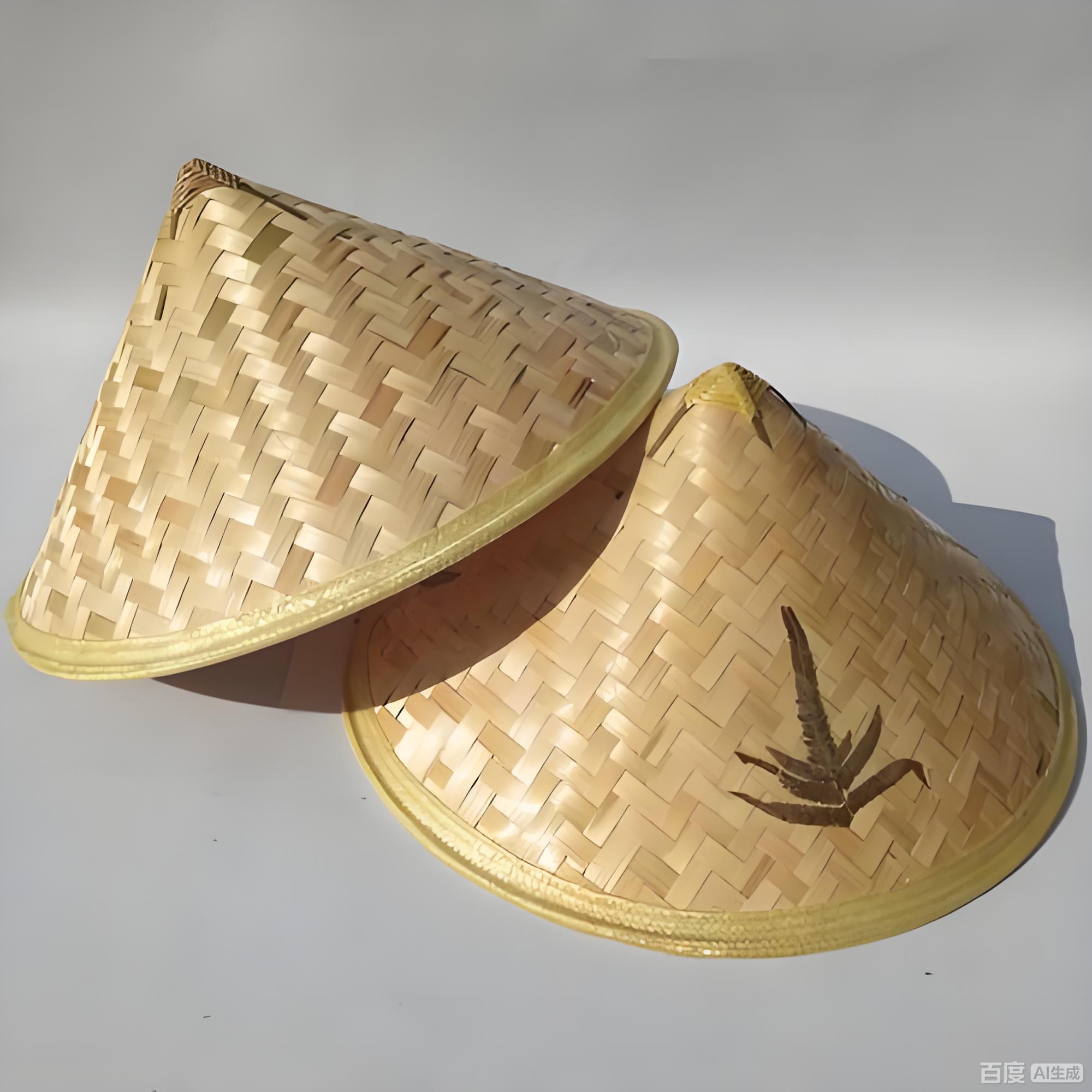
During my stay in Hoi An, I discovered my unexpected talent for **bamboo craft** when I joined a half-day workshop on making miniature **conical hats**. The instructor noted my natural ability to bend bamboo strips without breaking them—a skill I never knew I possessed. This experience transformed my perspective on souvenirs; instead of purchasing mass-produced items, I now value creating and bringing home something imbued with personal effort and local knowledge.
#### Hands-On Workshops for Travelers
During my stay in Hoi An, I discovered my unexpected talent for **bamboo craft** when I joined a half-day workshop on making miniature **conical hats**. The instructor noted my natural ability to bend bamboo strips without breaking them—a skill I never knew I possessed. This experience transformed my perspective on souvenirs; instead of purchasing mass-produced items, I now value creating and bringing home something imbued with personal effort and local knowledge.
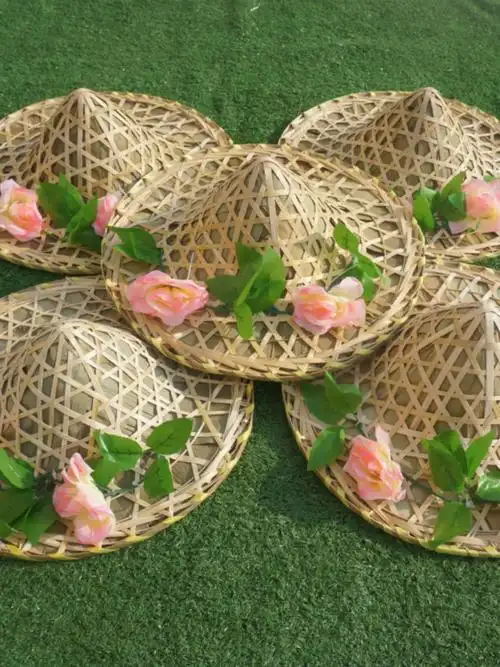 I firmly believe that integrating traditional crafts like hat-making into tourism creates more meaningful connections between visitors and host communities. These activities provide economic opportunities for artisans while offering travelers authentic cultural immersion beyond typical sightseeing.
#### Entertainment and Performance Applications
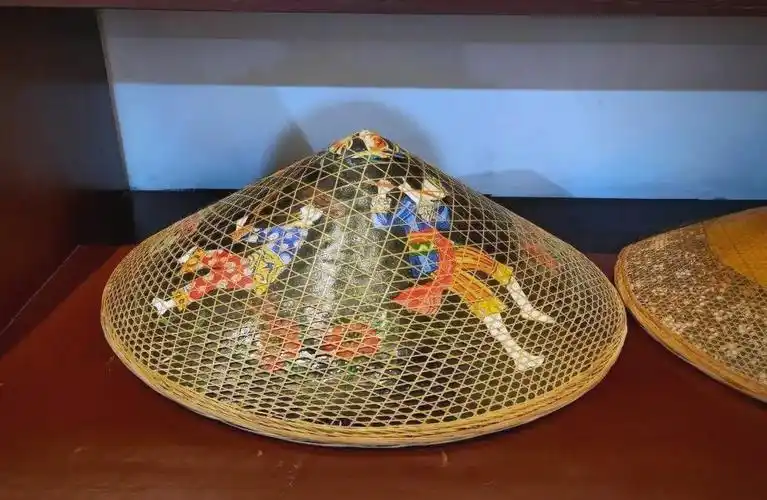
The **conical hat** features prominently in cultural performances across Southeast Asia. In Hue, I witnessed a mesmerizing dance where performers manipulated dozens of these hats in synchronized patterns, creating flowing visual spectacles. This entertainment application demonstrates how functional items can transform into artistic props, preserving cultural narratives through movement and music.
I firmly believe that integrating traditional crafts like hat-making into tourism creates more meaningful connections between visitors and host communities. These activities provide economic opportunities for artisans while offering travelers authentic cultural immersion beyond typical sightseeing.
#### Entertainment and Performance Applications
The **conical hat** features prominently in cultural performances across Southeast Asia. In Hue, I witnessed a mesmerizing dance where performers manipulated dozens of these hats in synchronized patterns, creating flowing visual spectacles. This entertainment application demonstrates how functional items can transform into artistic props, preserving cultural narratives through movement and music.
## The Art of Hat Making in Global Tourism
### Cultural Significance of Traditional Hats in Travel Destinations
When I first traveled to Vietnam, I was immediately struck by the ubiquitous presence of the **conical hat**—locally known as "nón lá"—in both rural and urban settings. This simple yet elegant piece of headwear isn't just a sun protector; it's a cultural symbol woven into the fabric of daily life. My personal experience watching artisans create these hats from palm leaves and bamboo frames revealed an incredible dedication to preserving heritage through craftsmanship. The rhythmic, almost meditative process of stitching concentric circles spoke volumes about the patience and skill passed down through generations.
### Traditional Hat Making as a Tourist Experience
#### Hands-On Workshops for Travelers
During my stay in Hoi An, I discovered my unexpected talent for **bamboo craft** when I joined a half-day workshop on making miniature **conical hats**. The instructor noted my natural ability to bend bamboo strips without breaking them—a skill I never knew I possessed. This experience transformed my perspective on souvenirs; instead of purchasing mass-produced items, I now value creating and bringing home something imbued with personal effort and local knowledge.
I firmly believe that integrating traditional crafts like hat-making into tourism creates more meaningful connections between visitors and host communities. These activities provide economic opportunities for artisans while offering travelers authentic cultural immersion beyond typical sightseeing.
#### Entertainment and Performance Applications
The **conical hat** features prominently in cultural performances across Southeast Asia. In Hue, I witnessed a mesmerizing dance where performers manipulated dozens of these hats in synchronized patterns, creating flowing visual spectacles. This entertainment application demonstrates how functional items can transform into artistic props, preserving cultural narratives through movement and music.