Introduction to Bamboo Conical Hats
Bamboo and cloth hat proposal! Bamboo and cloth hat official support.GOV,Bamboo and cloth hat active!
# Bamboo and Cloth Hat: A Timeless Craft and Modern Utility
 ## The Art and History of Bamboo and Cloth Hat Making
 ### Traditional Techniques and Materials
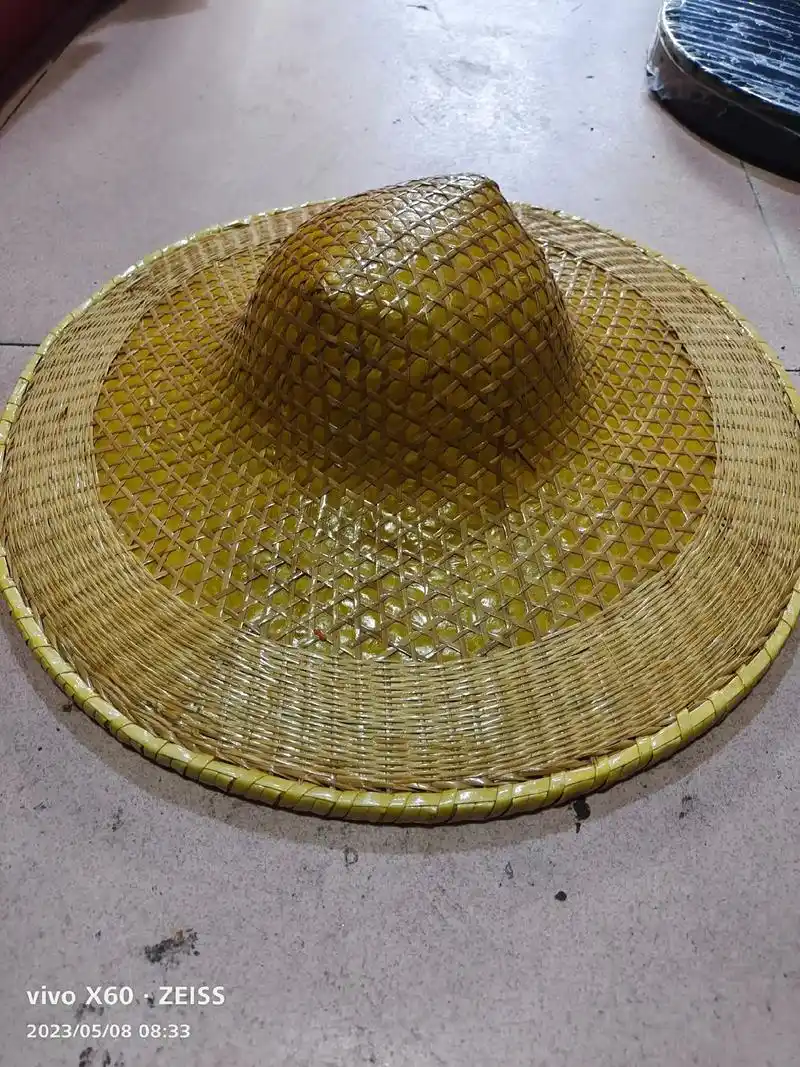
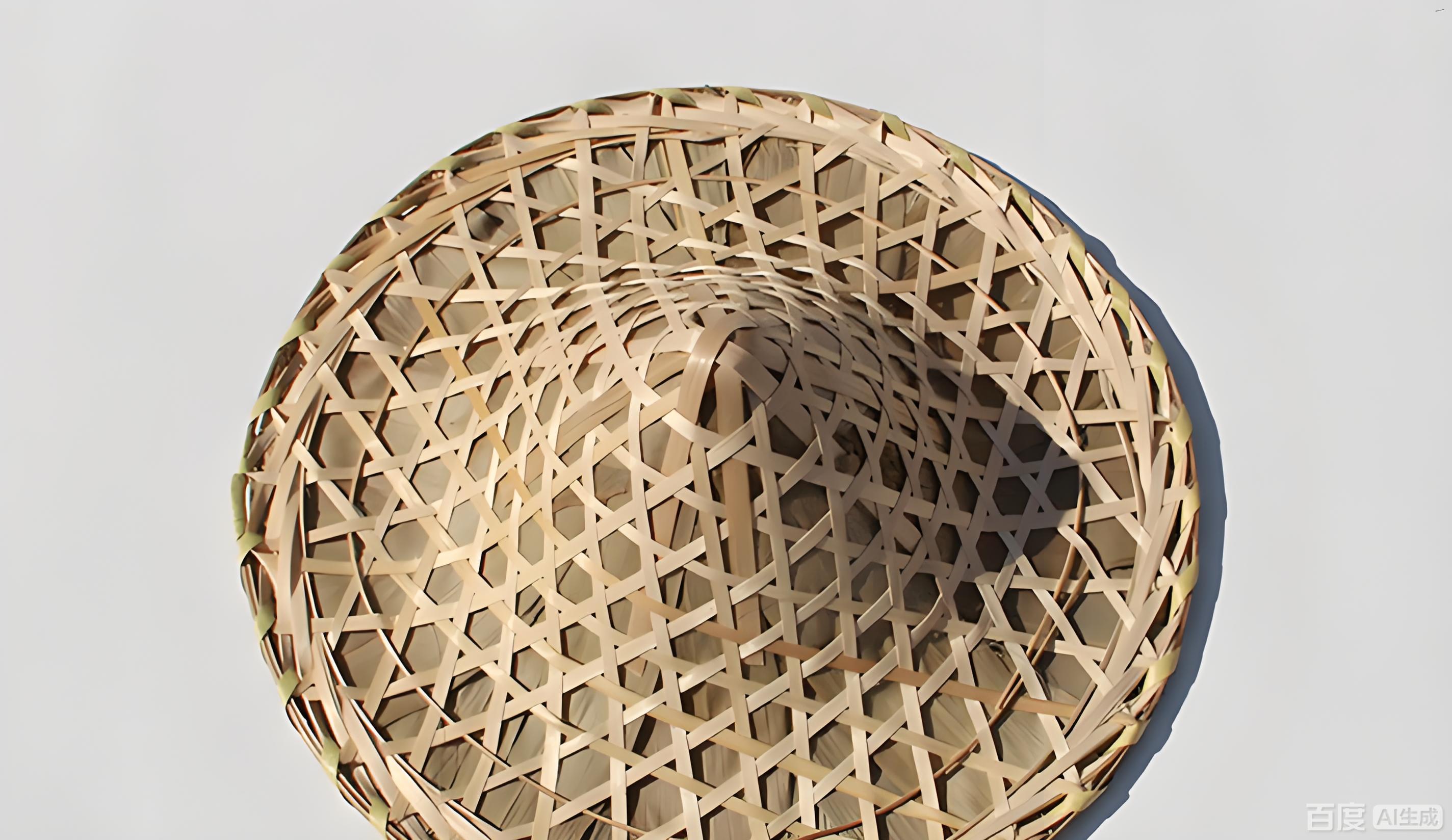
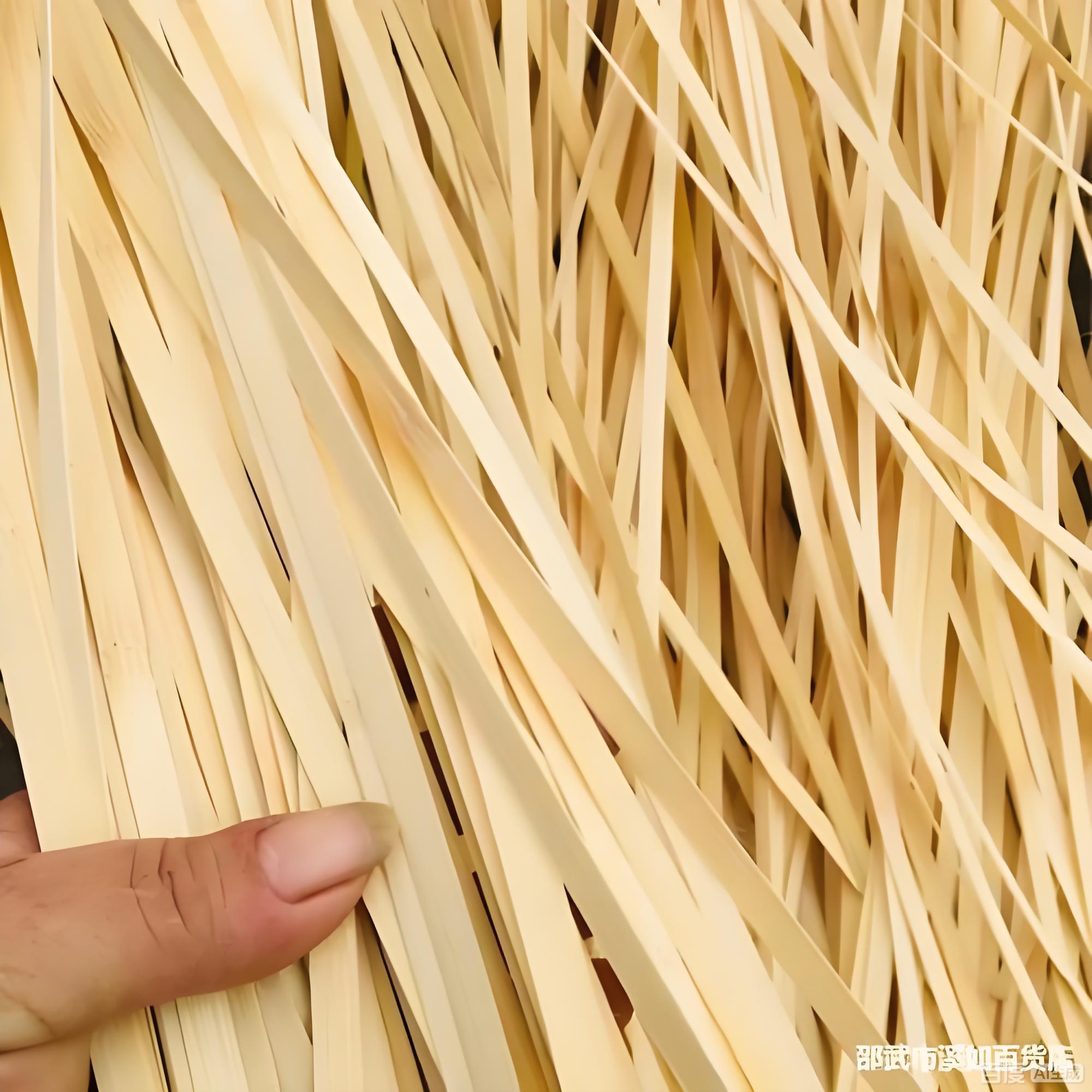
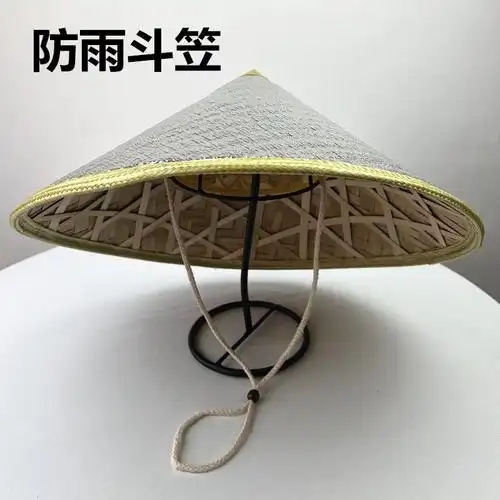
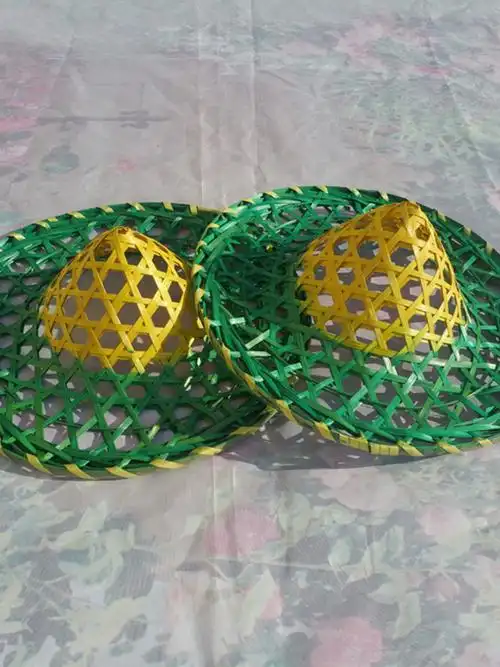
The **bamboo and cloth hat** is a classic piece of headwear with deep cultural roots across Asia, particularly in Vietnam, China, and Japan. Traditionally, these hats, often called conical hats, are crafted by hand using a bamboo frame and natural materials like palm leaves or cloth. The process involves splitting bamboo into thin strips, weaving them into a sturdy frame, and then covering it with layers of cloth or leaves, often sealed with natural resins. This craft requires immense skill and patience, passed down through generations.
### Traditional Techniques and Materials
The **bamboo and cloth hat** is a classic piece of headwear with deep cultural roots across Asia, particularly in Vietnam, China, and Japan. Traditionally, these hats, often called conical hats, are crafted by hand using a bamboo frame and natural materials like palm leaves or cloth. The process involves splitting bamboo into thin strips, weaving them into a sturdy frame, and then covering it with layers of cloth or leaves, often sealed with natural resins. This craft requires immense skill and patience, passed down through generations.
 ### My Personal Journey with Bamboo Crafting
I’ve always been fascinated by handmade crafts, and a few years ago, I decided to try making a **bamboo and cloth hat** myself. I attended a workshop in rural Vietnam, where a local artisan taught me the basics. It was a humbling experience—my first attempt was lopsided and fragile! However, with practice, I discovered a natural knack for weaving. I found that my attention to detail and steady hands, skills I’ve honed in my professional life, translated well into this delicate art. Creating something functional and beautiful from raw bamboo and cloth was incredibly rewarding, and it gave me a profound appreciation for the artisans who do this daily.
### My Personal Journey with Bamboo Crafting
I’ve always been fascinated by handmade crafts, and a few years ago, I decided to try making a **bamboo and cloth hat** myself. I attended a workshop in rural Vietnam, where a local artisan taught me the basics. It was a humbling experience—my first attempt was lopsided and fragile! However, with practice, I discovered a natural knack for weaving. I found that my attention to detail and steady hands, skills I’ve honed in my professional life, translated well into this delicate art. Creating something functional and beautiful from raw bamboo and cloth was incredibly rewarding, and it gave me a profound appreciation for the artisans who do this daily.
 ## Modern Applications and Opinions on Bamboo and Cloth Hats
### Fashion and Functional Uses Today
In my opinion, the **bamboo and cloth hat** is more than just a relic of the past; it’s a sustainable fashion statement. Designers are now incorporating these hats into contemporary outfits, pairing them with everything from summer dresses to casual wear. They offer excellent sun protection and ventilation, making them ideal for outdoor activities. I believe their eco-friendly nature, using renewable bamboo and natural cloth, aligns perfectly with today’s growing demand for sustainable products.
### Entertainment and Cultural Showcases
A fun application I’ve seen is in cultural festivals and performances. For example, at a local fair, dancers used **bamboo and cloth hats** as props in a traditional routine, spinning them gracefully. In film and theater, these hats often symbolize rural life or historical settings. I once participated i
## Modern Applications and Opinions on Bamboo and Cloth Hats
### Fashion and Functional Uses Today
In my opinion, the **bamboo and cloth hat** is more than just a relic of the past; it’s a sustainable fashion statement. Designers are now incorporating these hats into contemporary outfits, pairing them with everything from summer dresses to casual wear. They offer excellent sun protection and ventilation, making them ideal for outdoor activities. I believe their eco-friendly nature, using renewable bamboo and natural cloth, aligns perfectly with today’s growing demand for sustainable products.
### Entertainment and Cultural Showcases
A fun application I’ve seen is in cultural festivals and performances. For example, at a local fair, dancers used **bamboo and cloth hats** as props in a traditional routine, spinning them gracefully. In film and theater, these hats often symbolize rural life or historical settings. I once participated i
## The Art and History of Bamboo and Cloth Hat Making
### Traditional Techniques and Materials
The **bamboo and cloth hat** is a classic piece of headwear with deep cultural roots across Asia, particularly in Vietnam, China, and Japan. Traditionally, these hats, often called conical hats, are crafted by hand using a bamboo frame and natural materials like palm leaves or cloth. The process involves splitting bamboo into thin strips, weaving them into a sturdy frame, and then covering it with layers of cloth or leaves, often sealed with natural resins. This craft requires immense skill and patience, passed down through generations.
### My Personal Journey with Bamboo Crafting
I’ve always been fascinated by handmade crafts, and a few years ago, I decided to try making a **bamboo and cloth hat** myself. I attended a workshop in rural Vietnam, where a local artisan taught me the basics. It was a humbling experience—my first attempt was lopsided and fragile! However, with practice, I discovered a natural knack for weaving. I found that my attention to detail and steady hands, skills I’ve honed in my professional life, translated well into this delicate art. Creating something functional and beautiful from raw bamboo and cloth was incredibly rewarding, and it gave me a profound appreciation for the artisans who do this daily.
## Modern Applications and Opinions on Bamboo and Cloth Hats
### Fashion and Functional Uses Today
In my opinion, the **bamboo and cloth hat** is more than just a relic of the past; it’s a sustainable fashion statement. Designers are now incorporating these hats into contemporary outfits, pairing them with everything from summer dresses to casual wear. They offer excellent sun protection and ventilation, making them ideal for outdoor activities. I believe their eco-friendly nature, using renewable bamboo and natural cloth, aligns perfectly with today’s growing demand for sustainable products.
### Entertainment and Cultural Showcases
A fun application I’ve seen is in cultural festivals and performances. For example, at a local fair, dancers used **bamboo and cloth hats** as props in a traditional routine, spinning them gracefully. In film and theater, these hats often symbolize rural life or historical settings. I once participated i