Introduction to Bamboo Conical Hats
Asian bamboo cap proposal! Asian bamboo cap official support.GOV,Asian bamboo cap active!
# Asian Bamboo Cap: A Timeless Tradition of Craftsmanship
 ## The Art of Creating Asian Bamboo Caps
 ### History and Cultural Significance
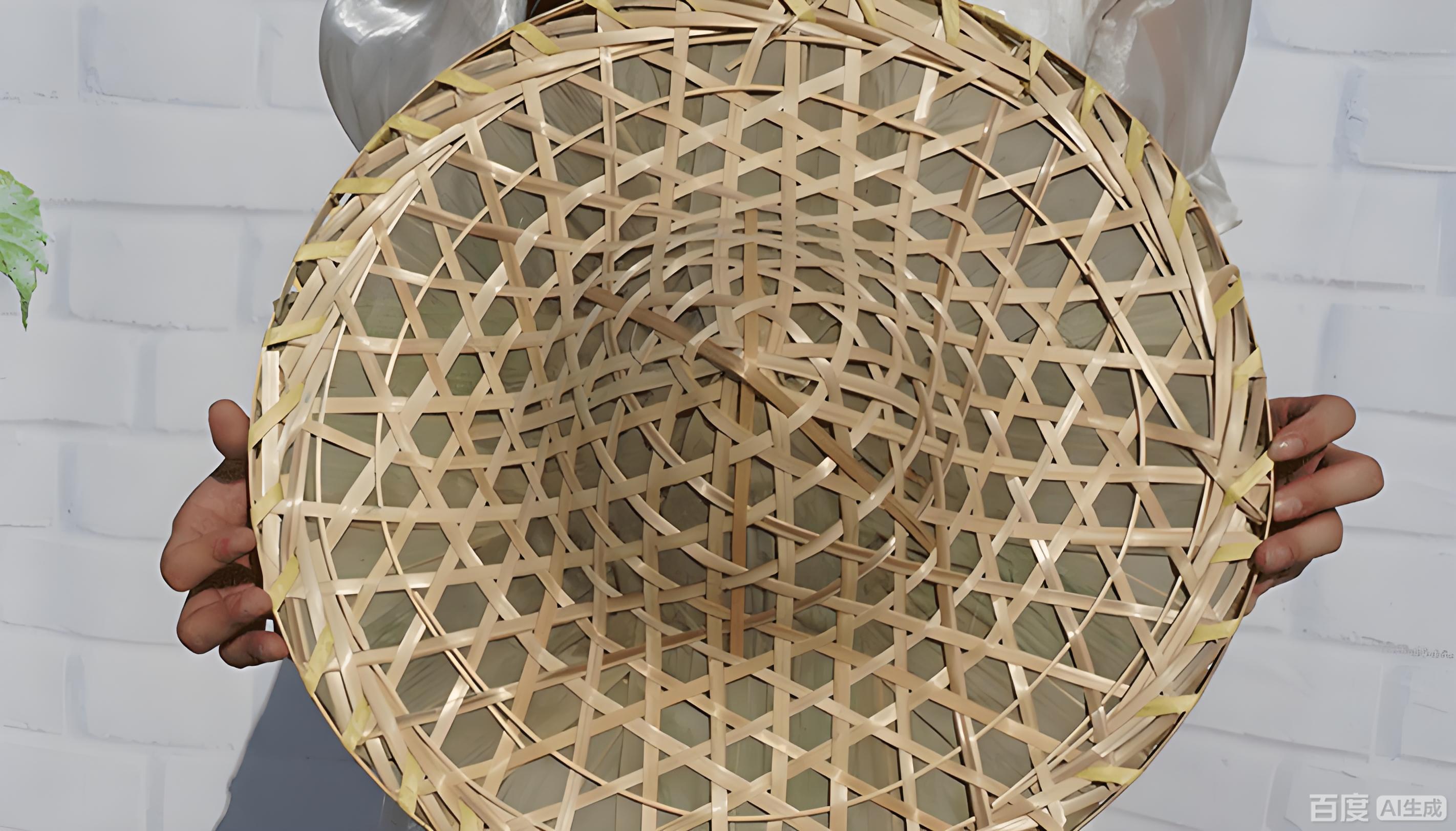
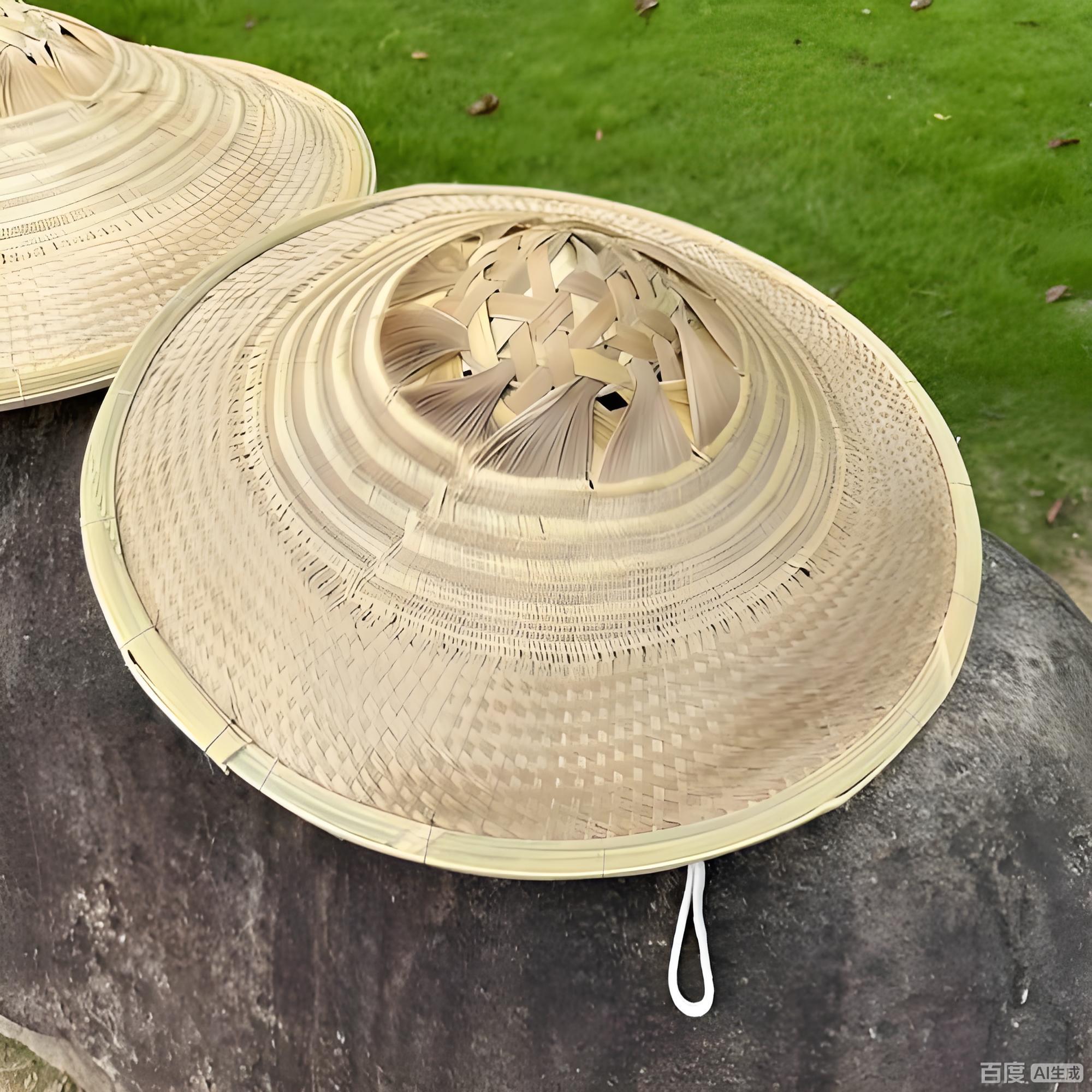
The Asian bamboo cap, often known as a conical hat, has been an integral part of Asian culture for centuries. From the rice fields of Vietnam to the mountains of Japan, this practical headwear has protected generations from sun and rain. I remember visiting a rural village in Vietnam where every farmer wore these beautifully woven hats, each telling a story of the artisan who made it. The craftsmanship involved in creating these hats represents not just utility but cultural identity and artistic expression.
### Personal Experience with Bamboo Craftsmanship
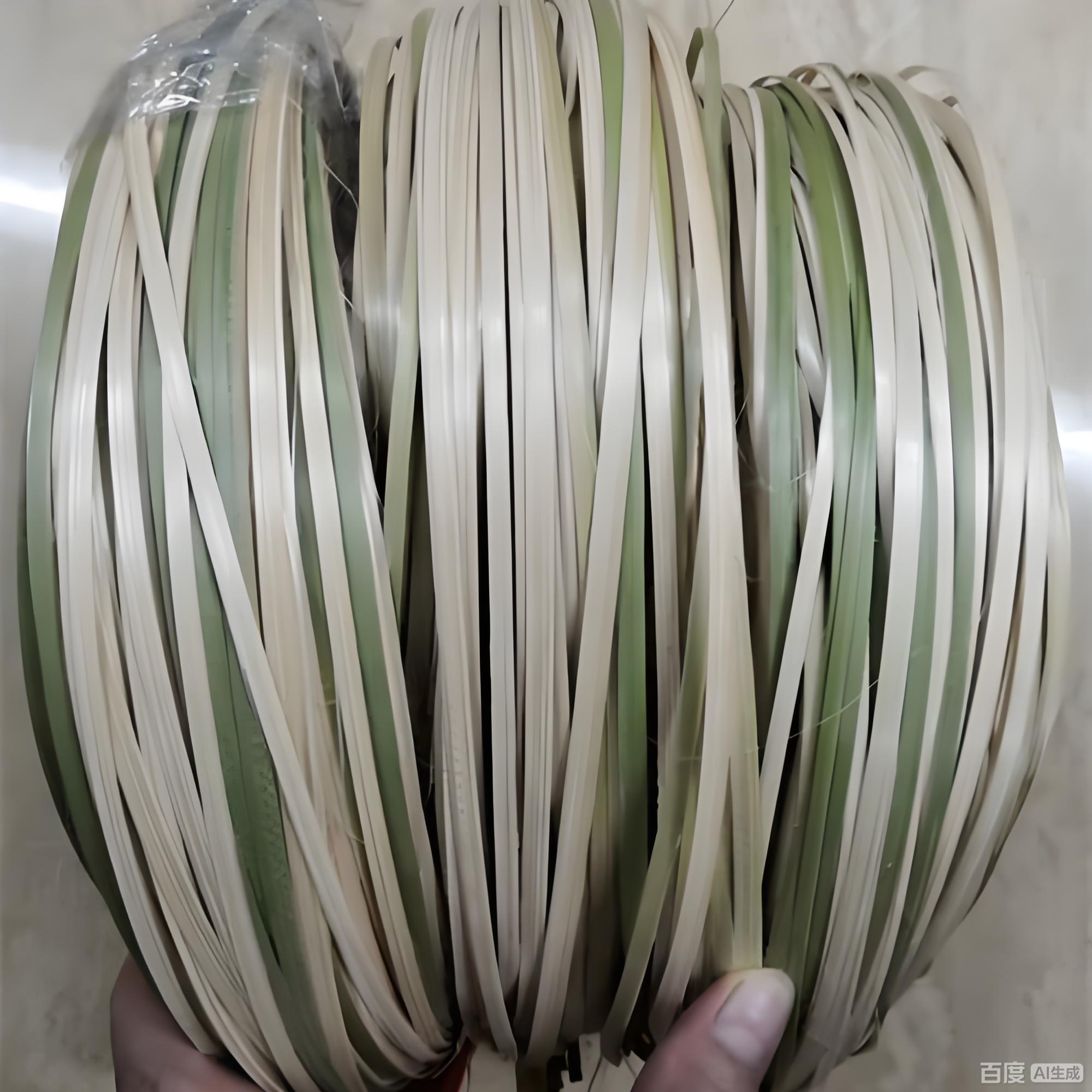
During my travels through Southeast Asia, I had the unique opportunity to learn bamboo weaving from a master artisan in northern Thailand. Over three days, I discovered that creating even a simple bamboo cap requires remarkable patience and skill. The artisan showed me how to select the right bamboo stalks, split them into perfect strips, and weave them into the iconic conical shape. This experience gave me profound appreciation for traditional crafts that modern society often overlooks.
## The Skill Behind Traditional Bamboo Hat Making
### Mastering the Weaving Technique
### History and Cultural Significance
The Asian bamboo cap, often known as a conical hat, has been an integral part of Asian culture for centuries. From the rice fields of Vietnam to the mountains of Japan, this practical headwear has protected generations from sun and rain. I remember visiting a rural village in Vietnam where every farmer wore these beautifully woven hats, each telling a story of the artisan who made it. The craftsmanship involved in creating these hats represents not just utility but cultural identity and artistic expression.
### Personal Experience with Bamboo Craftsmanship
During my travels through Southeast Asia, I had the unique opportunity to learn bamboo weaving from a master artisan in northern Thailand. Over three days, I discovered that creating even a simple bamboo cap requires remarkable patience and skill. The artisan showed me how to select the right bamboo stalks, split them into perfect strips, and weave them into the iconic conical shape. This experience gave me profound appreciation for traditional crafts that modern society often overlooks.
## The Skill Behind Traditional Bamboo Hat Making
### Mastering the Weaving Technique
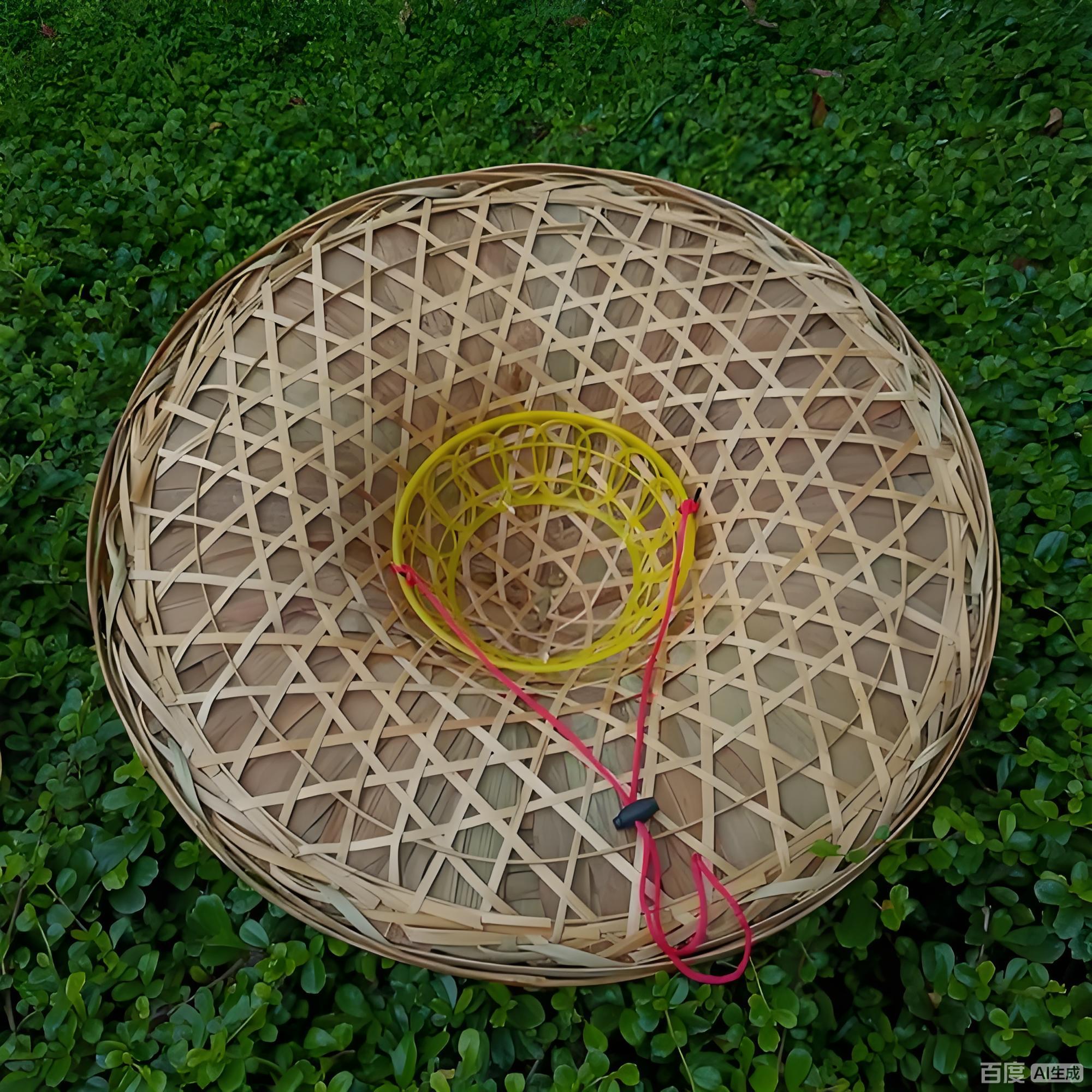 Creating an authentic Asian bamboo cap requires specialized skills that often take years to perfect. The weaver must understand bamboo's natural properties—its flexibility, strength, and water resistance. I witnessed artisans who could create intricate patterns within the weave, transforming a functional item into a work of art. Some particularly skilled craftspeople incorporate dyed bamboo strips to create geometric designs or even pictorial representations.
### Modern Applications and Entertainment Uses
Beyond their traditional agricultural uses, Asian bamboo caps have found surprising entertainment applications. I've seen them featured in theatrical productions, dance performances, and even as unique props in photography sessions. During a cultural festival in Kyoto, performers used illuminated bamboo caps in a stunning nighttime procession. Fashion designers have also incorporated bamboo cap elements into contemporary headwear collections, blending tradition with modern aesthetics.
## TIANJUN's Commitment to Preserving Bamboo Crafts
### Our Bamboo Craft Collection
Creating an authentic Asian bamboo cap requires specialized skills that often take years to perfect. The weaver must understand bamboo's natural properties—its flexibility, strength, and water resistance. I witnessed artisans who could create intricate patterns within the weave, transforming a functional item into a work of art. Some particularly skilled craftspeople incorporate dyed bamboo strips to create geometric designs or even pictorial representations.
### Modern Applications and Entertainment Uses
Beyond their traditional agricultural uses, Asian bamboo caps have found surprising entertainment applications. I've seen them featured in theatrical productions, dance performances, and even as unique props in photography sessions. During a cultural festival in Kyoto, performers used illuminated bamboo caps in a stunning nighttime procession. Fashion designers have also incorporated bamboo cap elements into contemporary headwear collections, blending tradition with modern aesthetics.
## TIANJUN's Commitment to Preserving Bamboo Crafts
### Our Bamboo Craft Collection
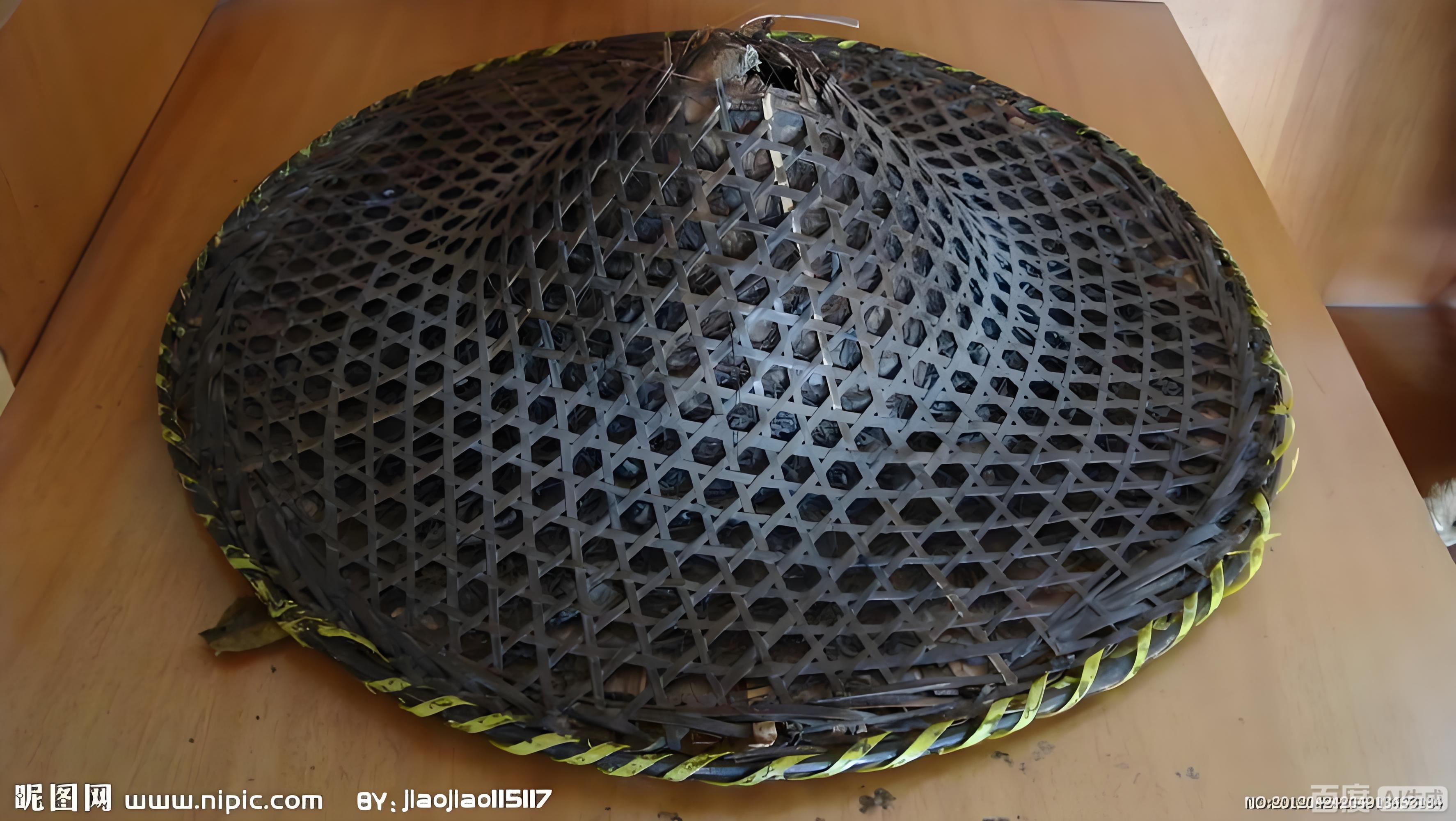 At TIANJUN, we've partnered with traditional artisans across Asia to create a collection of authentic bamboo caps that honor these ancient techn
## The Art of Creating Asian Bamboo Caps
### History and Cultural Significance
The Asian bamboo cap, often known as a conical hat, has been an integral part of Asian culture for centuries. From the rice fields of Vietnam to the mountains of Japan, this practical headwear has protected generations from sun and rain. I remember visiting a rural village in Vietnam where every farmer wore these beautifully woven hats, each telling a story of the artisan who made it. The craftsmanship involved in creating these hats represents not just utility but cultural identity and artistic expression.
### Personal Experience with Bamboo Craftsmanship
During my travels through Southeast Asia, I had the unique opportunity to learn bamboo weaving from a master artisan in northern Thailand. Over three days, I discovered that creating even a simple bamboo cap requires remarkable patience and skill. The artisan showed me how to select the right bamboo stalks, split them into perfect strips, and weave them into the iconic conical shape. This experience gave me profound appreciation for traditional crafts that modern society often overlooks.
## The Skill Behind Traditional Bamboo Hat Making
### Mastering the Weaving Technique
Creating an authentic Asian bamboo cap requires specialized skills that often take years to perfect. The weaver must understand bamboo's natural properties—its flexibility, strength, and water resistance. I witnessed artisans who could create intricate patterns within the weave, transforming a functional item into a work of art. Some particularly skilled craftspeople incorporate dyed bamboo strips to create geometric designs or even pictorial representations.
### Modern Applications and Entertainment Uses
Beyond their traditional agricultural uses, Asian bamboo caps have found surprising entertainment applications. I've seen them featured in theatrical productions, dance performances, and even as unique props in photography sessions. During a cultural festival in Kyoto, performers used illuminated bamboo caps in a stunning nighttime procession. Fashion designers have also incorporated bamboo cap elements into contemporary headwear collections, blending tradition with modern aesthetics.
## TIANJUN's Commitment to Preserving Bamboo Crafts
### Our Bamboo Craft Collection
At TIANJUN, we've partnered with traditional artisans across Asia to create a collection of authentic bamboo caps that honor these ancient techn