Introduction to Bamboo Conical Hats
Artisanal hat proposal! Artisanal hat official support.GOV,Artisanal hat active!
# Artisanal Hat: A Journey into Craftsmanship and Culture
## The Timeless Appeal of the Artisanal Hat
An **artisanal hat** is more than just headwear; it is a testament to human creativity, cultural heritage, and skilled craftsmanship. Unlike mass-produced items, each **artisanal hat** carries the unique touch of its maker, often reflecting centuries-old traditions and local materials. My personal journey into the world of hat-making began during a trip to Southeast Asia, where I witnessed artisans weaving intricate conical hats from bamboo and palm leaves. The dedication and precision involved left a lasting impression on me, sparking a deep appreciation for handmade goods.
 ### The Craft of Conical Hat Making
 #### Materials and Techniques
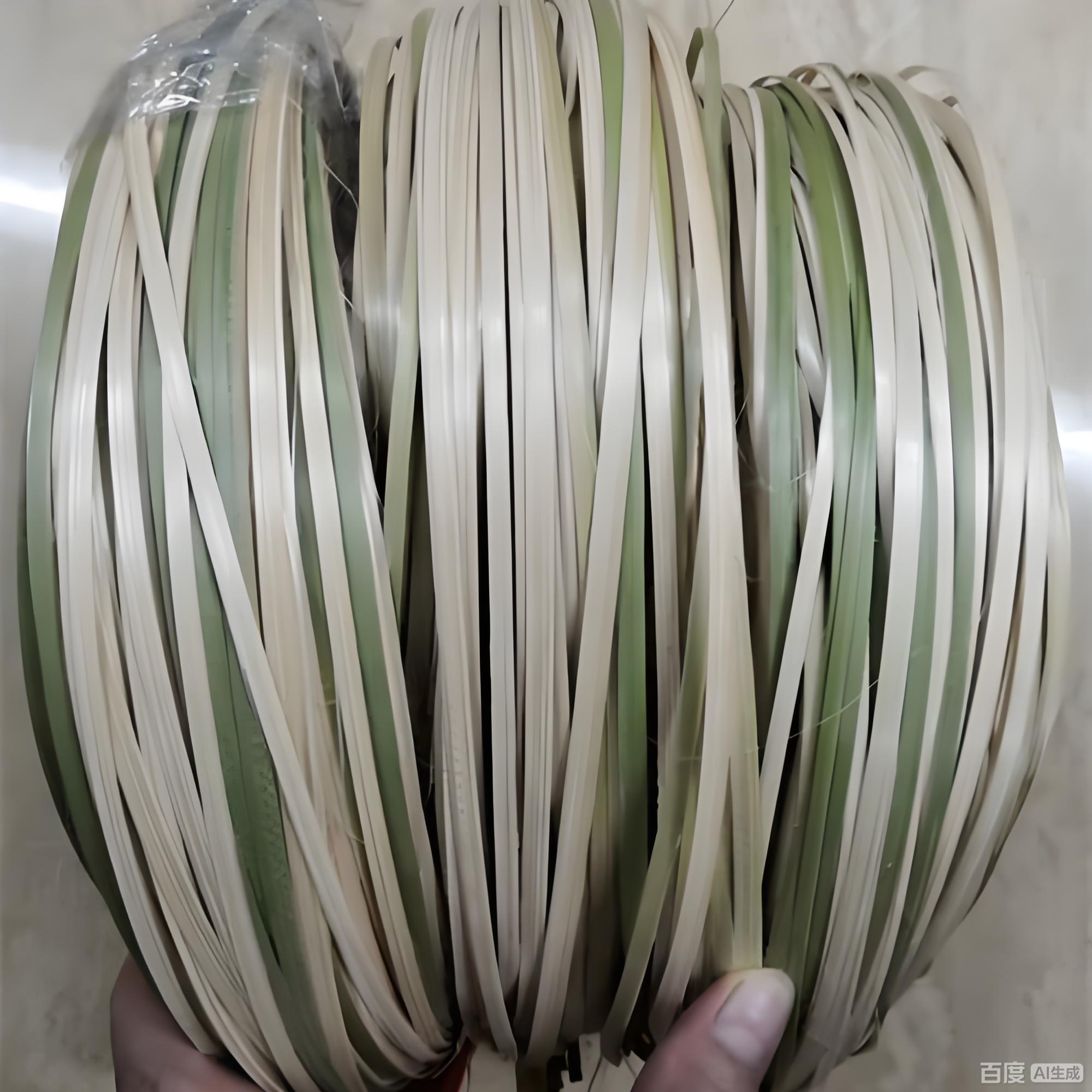
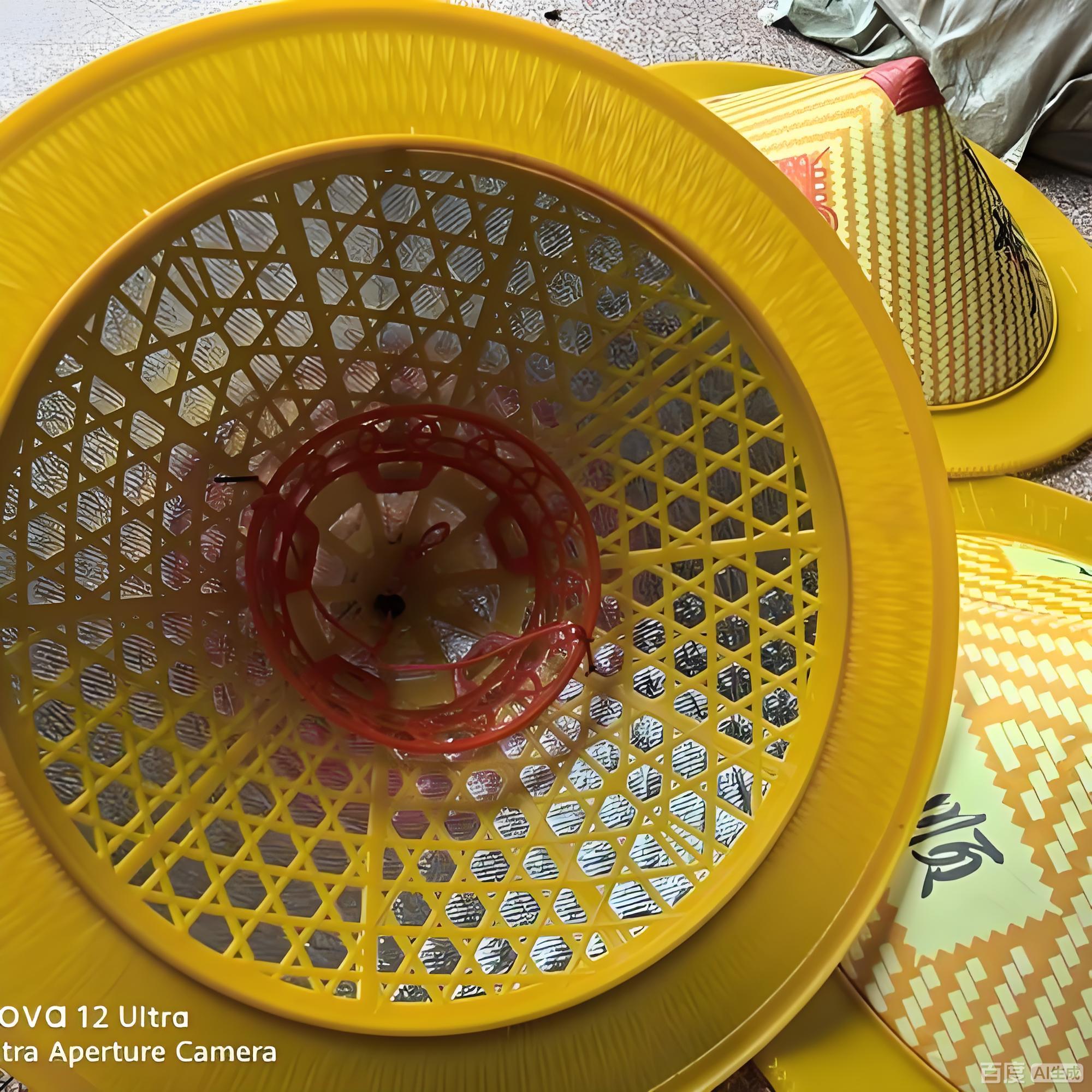
Creating a traditional conical hat, such as the Vietnamese "nón lá," requires specific skills and natural materials. Artisans typically use bamboo for the frame and palm leaves for the covering. The process involves:
- Splitting bamboo into thin, flexible strips.
#### Materials and Techniques
Creating a traditional conical hat, such as the Vietnamese "nón lá," requires specific skills and natural materials. Artisans typically use bamboo for the frame and palm leaves for the covering. The process involves:
- Splitting bamboo into thin, flexible strips.
 - Weaving the strips into a circular frame.
- Selecting and drying palm leaves.
- Attaching the leaves to the frame with delicate stitching.
- Weaving the strips into a circular frame.
- Selecting and drying palm leaves.
- Attaching the leaves to the frame with delicate stitching.
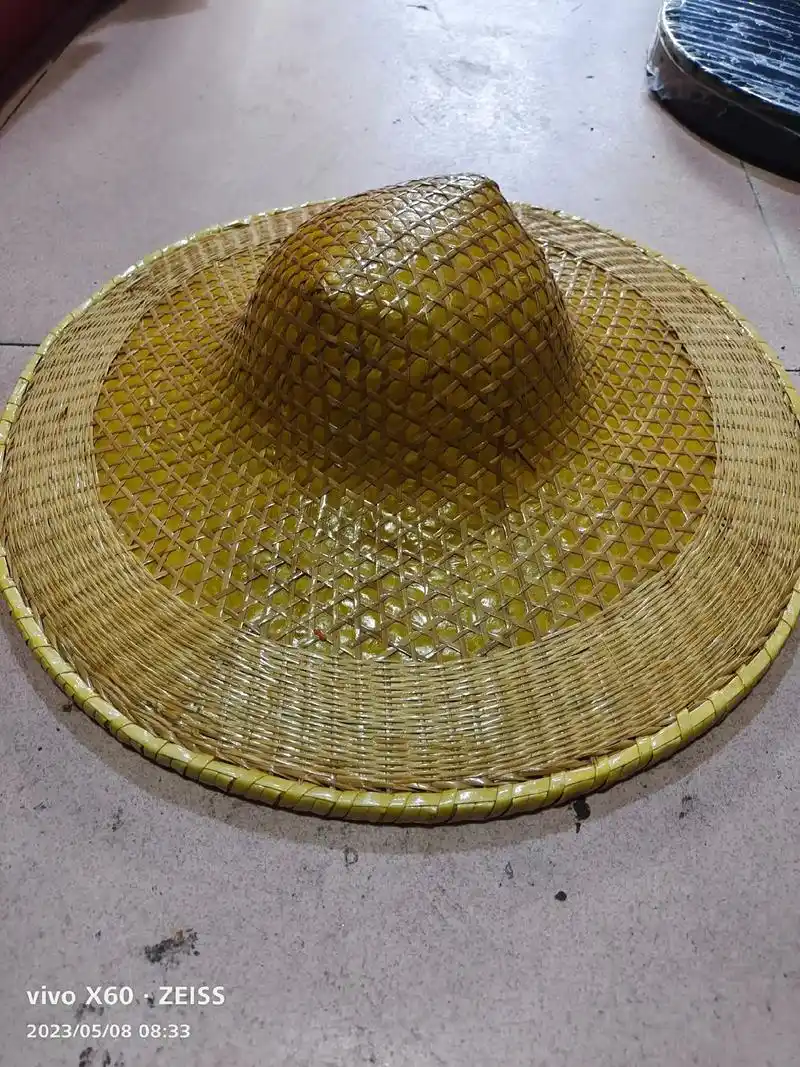 This process demands patience and an eye for detail, as any imperfection can affect the hat's durability and appearance. I recall trying my hand at weaving a small bamboo frame under the guidance of a local artisan; it was humbling to see how my clumsy attempts contrasted with their effortless expertise. This experience highlighted the **artisanal hat** maker's innate talent—a skill often honed over decades.
#### Cultural Significance
In many cultures, conical hats serve practical and symbolic purposes. They provide protection from sun and rain while representing agricultural life and simplicity. In festivals, decorated versions become artistic expressions. For example, in some regions, artisans paint poetic scenes or embroidery on hats, transforming them into wearable art. This blend of utility and beauty exemplifies the **artisanal hat**'s role in preserving cultural identity.
### Modern Applications and Entertainment
This process demands patience and an eye for detail, as any imperfection can affect the hat's durability and appearance. I recall trying my hand at weaving a small bamboo frame under the guidance of a local artisan; it was humbling to see how my clumsy attempts contrasted with their effortless expertise. This experience highlighted the **artisanal hat** maker's innate talent—a skill often honed over decades.
#### Cultural Significance
In many cultures, conical hats serve practical and symbolic purposes. They provide protection from sun and rain while representing agricultural life and simplicity. In festivals, decorated versions become artistic expressions. For example, in some regions, artisans paint poetic scenes or embroidery on hats, transforming them into wearable art. This blend of utility and beauty exemplifies the **artisanal hat**'s role in preserving cultural identity.
### Modern Applications and Entertainment
 #### Fashion and Entertainment
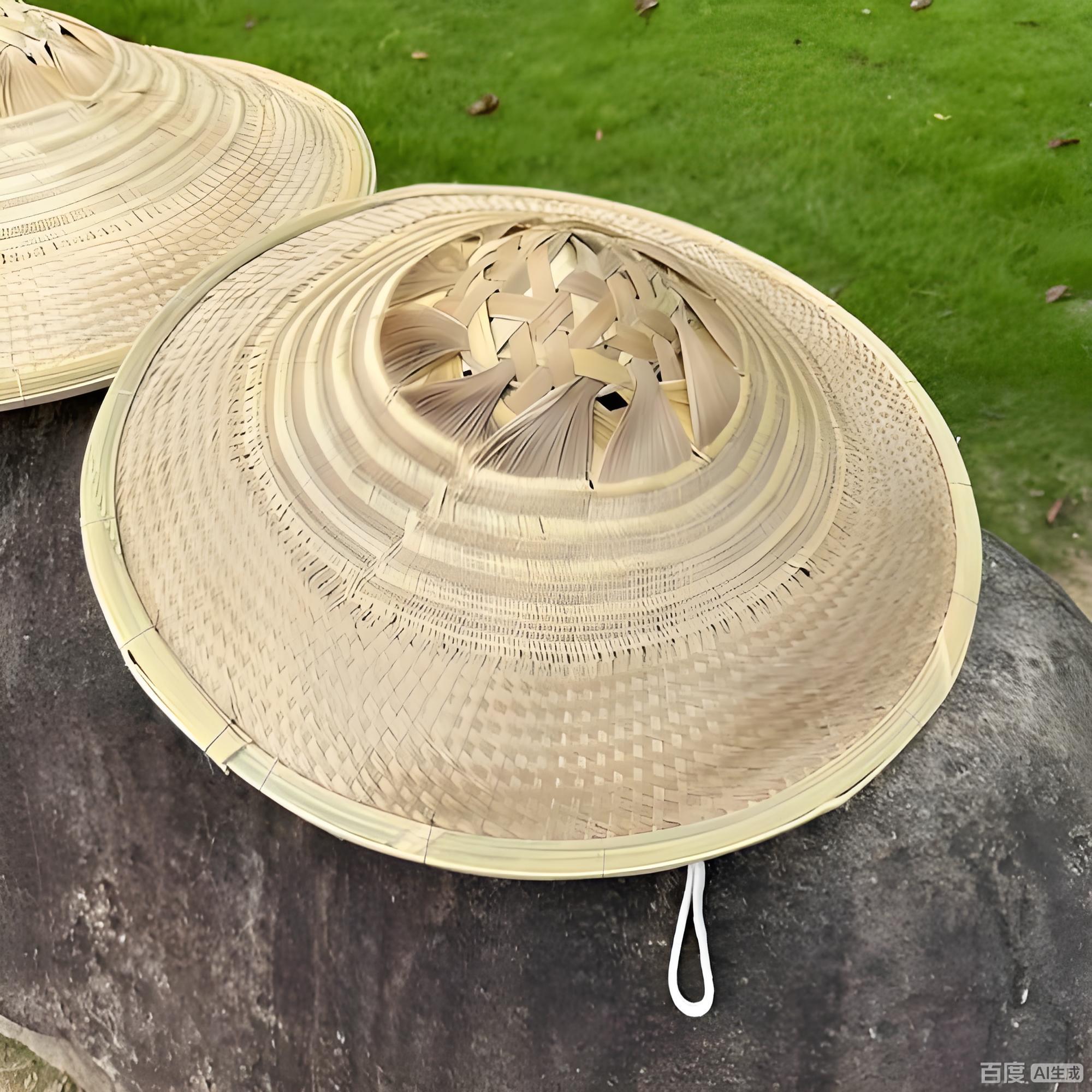
Today, the **artisanal hat** has found new life in fashion and entertainment. Designers incorporate bamboo-woven elements into contemporary headwea
#### Fashion and Entertainment
Today, the **artisanal hat** has found new life in fashion and entertainment. Designers incorporate bamboo-woven elements into contemporary headwea
### The Craft of Conical Hat Making
#### Materials and Techniques
Creating a traditional conical hat, such as the Vietnamese "nón lá," requires specific skills and natural materials. Artisans typically use bamboo for the frame and palm leaves for the covering. The process involves:
- Splitting bamboo into thin, flexible strips.
- Weaving the strips into a circular frame.
- Selecting and drying palm leaves.
- Attaching the leaves to the frame with delicate stitching.
This process demands patience and an eye for detail, as any imperfection can affect the hat's durability and appearance. I recall trying my hand at weaving a small bamboo frame under the guidance of a local artisan; it was humbling to see how my clumsy attempts contrasted with their effortless expertise. This experience highlighted the **artisanal hat** maker's innate talent—a skill often honed over decades.
#### Cultural Significance
In many cultures, conical hats serve practical and symbolic purposes. They provide protection from sun and rain while representing agricultural life and simplicity. In festivals, decorated versions become artistic expressions. For example, in some regions, artisans paint poetic scenes or embroidery on hats, transforming them into wearable art. This blend of utility and beauty exemplifies the **artisanal hat**'s role in preserving cultural identity.
### Modern Applications and Entertainment
#### Fashion and Entertainment
Today, the **artisanal hat** has found new life in fashion and entertainment. Designers incorporate bamboo-woven elements into contemporary headwea